Kroger cuts sales outlook as shoppers pull back on groceries
The Cincinnati-based grocer beat profit estimates and raised its dividend for a 20th straight year, but slashed its full-year sales forecast after a cyclospora outbreak and cautious consumers curbed produce buying.
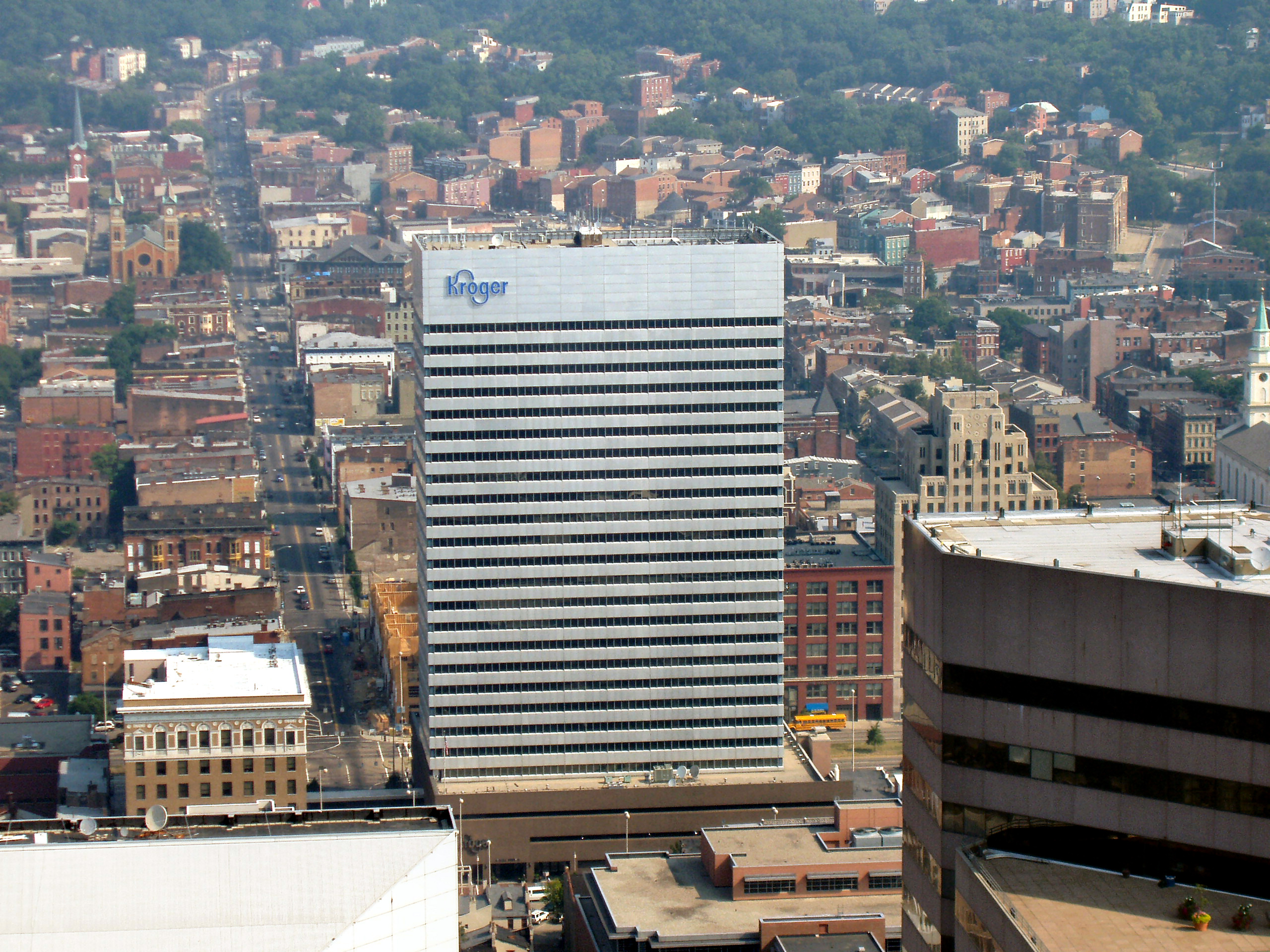
The Kroger Co. cut its full-year sales forecast on Friday after a summer in which shoppers pulled back sharply on discretionary purchases and an outbreak of the parasite cyclospora curbed produce buying, even as the grocer beat Wall Street's profit estimate and raised its dividend for the 20th consecutive year.
In a filing with the Securities and Exchange Commission, the Cincinnati-based supermarket chain reported second-quarter identical sales without fuel of just 0.2%, down from 3.4% growth a year earlier, and told investors it now expects identical sales for all of fiscal 2026 to rise only 0.2% to 0.8%, roughly half the 1.0% to 2.0% range it had set in June.
The numbers
Total company sales for the quarter ended August 15 came to $34.6 billion, up from $33.9 billion a year earlier, Kroger said in its second-quarter earnings release. Operating profit rose to $971 million from $863 million, and adjusted earnings per share climbed 5% to $1.09, three cents ahead of the average Wall Street estimate, according to data cited by Grocery Dive. GAAP diluted earnings were $1.05 a share, up from 91 cents.
Chief Financial Officer David Kennerley told analysts that identical sales absorbed roughly 265 basis points of combined drag during the quarter: about 140 basis points from pharmacy reimbursement changes tied to the Inflation Reduction Act, another 50 to 60 basis points from patients switching to generic drugs, 35 basis points from the cyclospora outbreak that hit produce departments late in the quarter, and 30 basis points from falling egg prices. Kroger did not lower its bottom-line guidance: it reaffirmed full-year adjusted earnings per share of $5.10 to $5.30, FIFO operating profit of $5.0 billion to $5.2 billion, and free cash flow of $2.7 billion to $2.9 billion, per the figures filed with regulators.
On the capital side, Kroger raised its quarterly dividend 11%, extending an annual streak of increases now in its 20th year, and repurchased $1.0 billion of stock during the quarter, bringing year-to-date buybacks to $1.2 billion against the $2 billion authorization its board approved in December 2025. About $800 million of that authorization remains. Shares closed at $58.39, up roughly 2.5% on the day, after dipping in premarket trading when the guidance cut first crossed wires.
How Kroger got here
The quarter was the second full one under Chief Executive Greg Foran, who took over in February after four decades in retail leadership, including six years running Walmart's U.S. division and a stint as chief executive of Air New Zealand, according to the company's announcement of his appointment. He succeeded Ron Sargent, who had served as interim chief executive since March 2025 and remains Kroger's board chairman.
Foran inherited a grocer contending with a slower American consumer. Identical sales growth, which ran above 3% a year ago, has decelerated for three consecutive quarters as households facing reduced Supplemental Nutrition Assistance Program benefits, elevated fuel costs and softer consumer confidence shift spending toward necessities and away from discretionary categories, a pattern Foran described directly on the earnings call, according to PYMNTS' account of the call. The cyclospora outbreak, which prompted a produce-safety response across Kroger's supply chain in the final weeks of the quarter, compounded an already cautious buying pattern just as fresh produce is typically a margin-supportive category for grocers.
"Sales were tracking well through the quarter until our final period, when we absorbed the impact of the cyclospora outbreak," Foran told analysts, adding that even excluding that disruption, "customers are buying more on need."
Who is affected
The guidance cut lands most directly on Kroger shareholders and the roughly 400,000 people the company employs across its supermarket, pharmacy and fuel-center operations. Investors had already been signaling caution: Kroger shares fell as much as 3% in premarket trading immediately after the release, before recovering through the session as traders weighed the earnings beat and reaffirmed profit guidance against the softer sales outlook, a swing detailed by Supermarket News.
Suppliers in fresh produce and pharmacy categories face the most direct exposure to the headwinds Kroger cited, while the company's advertising and media partners are benefiting from a different trend inside the same results: Kroger Precision Marketing, the retailer's in-house advertising business, grew profit 24% in the quarter, and e-commerce sales rose 20% and turned profitable for a second straight quarter. Shoppers who rely on federal food-assistance benefits are also implicated in the numbers, since Kroger executives pointed to reduced SNAP allotments as a factor behind the shift toward bare-necessity buying.
What happens next
Kroger has scheduled an investor meeting for October 20, when it plans to lay out longer-term financial targets and further detail of Foran's operating strategy, according to the earnings release. Until then, the company's near-term test is whether produce sales recover now that the cyclospora outbreak has run its course and whether the pharmacy headwinds from Inflation Reduction Act reimbursement changes, which management expects to persist through the fiscal year, stabilize at their current run rate.
The reaffirmed profit guidance suggests Kroger believes it can offset weaker top-line growth with cost discipline, digital profitability and retail-media revenue, the same playbook grocery peers have leaned on as food-at-home inflation cools and price-conscious shoppers trade down. Analysts will be watching same-store traffic and basket-size data in Kroger's third-quarter report, expected in early December, for signs of whether the essentials-only shopping pattern Foran described is easing or hardening into a longer-term trend for the country's largest traditional supermarket chain.
SEC EDGAR — Kroger Co. Form 8-K, Exhibit 99.1: Second Quarter 2026 Results
The Kroger Co. — Kroger Reports Second Quarter 2026 Results and Updates Guidance for 2026
Grocery Dive — Kroger's comps slide to near zero as cyclospora outbreak eats into produce sales
PYMNTS — Kroger Slashes Sales Growth Outlook as Strained Consumers Pivot to Essentials

Insurers Turn to Wall Street to Cover AI's Data-Center Boom

Bond Yields Near 5% as Traders Bet on First Fed Rate Hike Since 2023

Cooper Companies stock sinks to near 52-week low after second guidance cut in three months