Microsoft's Cloud Surge and Spending Discipline Calm Wall Street's AI Jitters
Azure revenue grew 48 percent and free cash flow topped estimates by roughly $10 billion, giving investors a contrast to rivals whose AI buildouts are straining their balance sheets.
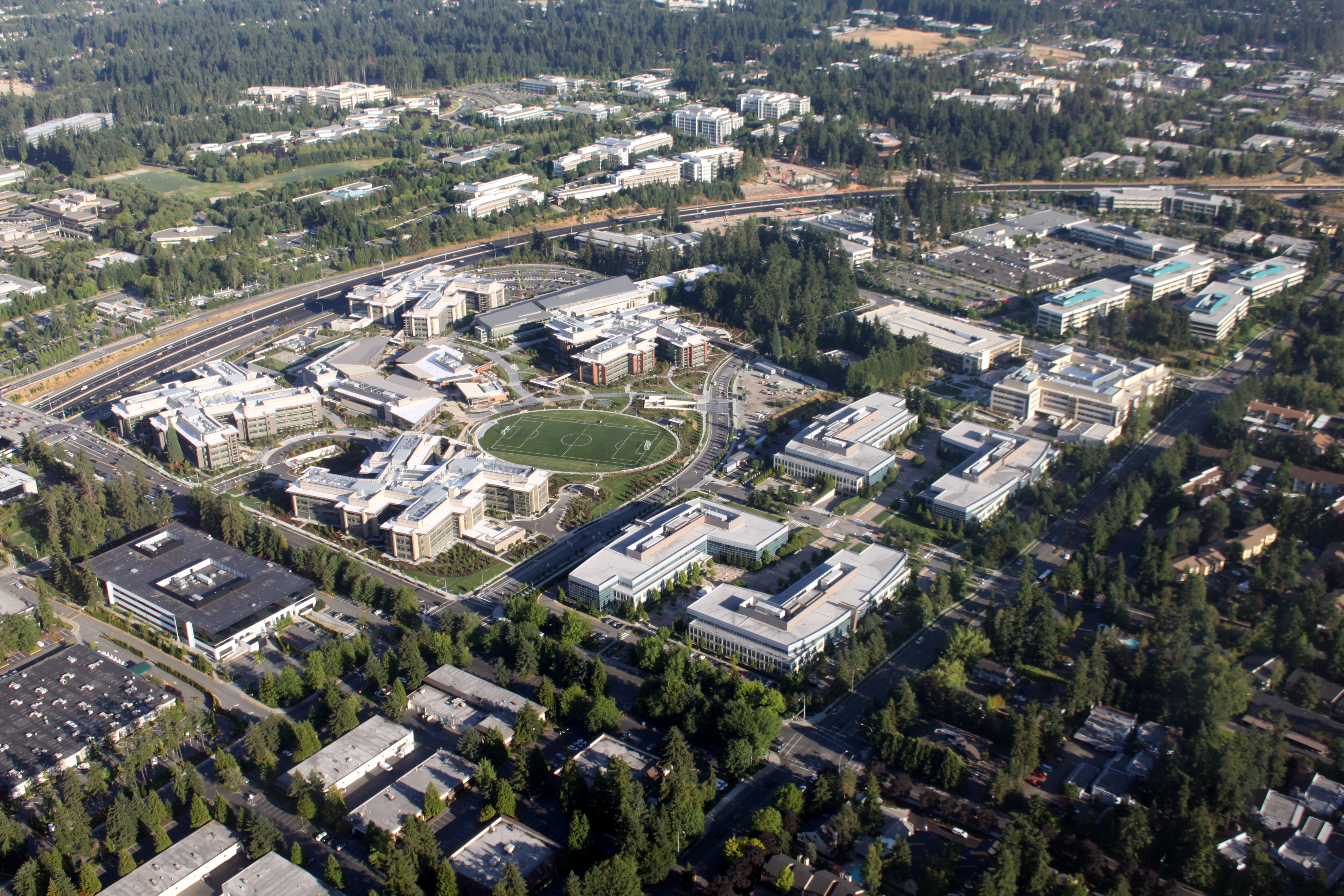
Microsoft said late Wednesday that revenue for its fiscal first quarter rose 19 percent to $92.3 billion, as its Azure cloud division posted its fastest growth in more than two years and the company generated far more cash than Wall Street had expected. The results, covering the three months ended September 30, were detailed in a press release and earnings call posted to Microsoft's investor relations site and furnished to regulators in an 8-K filed with the Securities and Exchange Commission.
Net income climbed 32 percent to $36.6 billion, or $4.92 a share on a GAAP basis; excluding the swings tied to Microsoft's investment in OpenAI, diluted earnings per share were $4.89, up 18 percent, according to the exhibit attached to that filing. Both figures beat the average Wall Street estimate, which Reuters put at $4.73 a share.
Azure outpaces estimates again
Azure revenue rose 48 percent to $33.2 billion, ahead of the roughly 44 to 45 percent growth analysts had modeled, according to a Reuters report distributed Wednesday evening. It was the fastest pace of growth the cloud unit has posted since early in its post-pandemic expansion. Microsoft now discloses Azure's dollar revenue each quarter rather than growth rates alone, a change it made earlier this year as the business scaled past $100 billion in annualized sales.
The company also restructured how it reports its business for the first time in years. Instead of the three familiar segments — Productivity and Business Processes, Intelligent Cloud, and More Personal Computing — Microsoft now reports two: "Agents and Infra," which brought in $76.8 billion, up 25 percent, and "Devices and Consumer," which slipped 3 percent to $15.5 billion. The new structure groups cloud infrastructure, AI services and enterprise software together and separates them from consumer-facing products such as Windows, Xbox and Surface.
Free cash flow reached $18.6 billion, roughly $10 billion above what analysts had projected, Reuters reported. Spending on data centers and other capital projects, measured as additions to property and equipment on the cash-flow statement, rose to $39.4 billion from $19.4 billion a year earlier. Microsoft's broader capital-expenditure figure, which also counts finance leases and is the number executives cite on earnings calls, came in at $45.2 billion — above last year's $34.9 billion but short of the more than $50 billion the company had guided to. A Microsoft investor-relations executive attributed the gap to delayed deliveries of third-party data-center capacity rather than any pullback in spending plans, Reuters reported.
"We are delivering greater capability, choice, control, and cost efficiency for customers across our entire stack," Chief Executive Satya Nadella said in the earnings statement. Chief Financial Officer Amy Hood said results "exceeded expectations across revenue, operating income, and earnings per share."
A dividing line in Big Tech's AI spending
The report landed hours after Alphabet's own results, and the contrast was immediate. Alphabet's cloud revenue climbed sharply but the company posted negative free cash flow for the quarter as its own AI infrastructure spending surged, and its shares fell in extended trading even as Microsoft's rose. Investors and analysts increasingly are separating AI-spending companies into two camps: those whose cloud and software businesses are generating enough cash to self-fund the buildout, and those leaning more heavily on debt markets to cover it. Microsoft's quarter, with cash flow well ahead of its spending growth, was read by investors as evidence it sits in the former group.
Shares of Microsoft rose more than 5 percent in after-hours trading Wednesday, according to Reuters, building on a run that had already lifted the stock roughly 9 percent for the year through the regular session's close. The move stood out against a volatile week for AI-linked megacap stocks, in which spending disclosures from several large technology companies have been parsed closely for signs of strain.
What investors will watch next
For its fiscal second quarter, Microsoft guided to revenue of $96 billion to $97.1 billion and forecast Azure growth accelerating further, to roughly 49 to 50 percent, both above analyst expectations compiled by Reuters. That guidance implies the company expects demand for AI and cloud computing capacity to keep outrunning supply, a dynamic it has described in multiple recent quarters. Commercial bookings and backlog — a gauge of contracted future cloud and software revenue — will be a focus on Microsoft's next call, as will whether capital spending for the full 2026 calendar year reaches the roughly $175 billion the company outlined over the summer; reaching that figure would require nearly $57 billion in spending in the final three months of the year, based on the pace disclosed so far.
The quarter's results do not resolve the broader debate over whether the hundreds of billions of dollars major technology companies are committing to AI data centers will be matched by comparable revenue, but they gave Microsoft, specifically, a clearer argument that its own bet is paying for itself for now.

Fed holds rates steady at 3.75%-4%, but two officials dissent for a hike

Chili's parent Brinker beats estimates and raises forecast as Maggiano's keeps sliding

Fed Meets for Decision Day as Rate Path Splits Wall Street
