YouTube and Billboard end yearlong standoff, restoring streaming data to US charts in 2027
YouTube will resume supplying its U.S. viewing data to Billboard's charts in January 2027, ending an 11-month blackout triggered by a dispute over how free, ad-supported streams are weighted against paid subscriptions.

YouTube and Billboard have ended an 11-month standoff over how the chart company counts the world's largest video platform's streams, with YouTube confirming it will resume supplying its U.S. viewing data to Billboard's charts starting in January 2027. The reconciliation, first reported by TechCrunch on Monday, closes a dispute that had kept YouTube's enormous audience out of the Hot 100 and Billboard 200 since the last week of January 2026.
The breakthrough came after Billboard revised, for the second time in 13 months, the formula it uses to convert free, ad-supported streams into the same "equivalent" units as paid subscription streams. Lyor Cohen, YouTube's global head of music, confirmed the platform's return in an update posted to YouTube's official blog, the same post in which he announced the original withdrawal last December.
What changed in the formula
Under the chart methodology Billboard and its data partner Luminate have used since mid-December 2025, one album "consumption unit" has equaled 1,000 paid on-demand streams or 2,500 ad-supported streams — a 1-to-2.5 ratio that replaced an even steeper 1-to-3 split used before that. Starting with charts dated January 16, 2027, which will reflect listening from January 1 through 7 of that year, the ad-supported threshold drops again, to 1,500 streams per unit, according to Billboard's own methodology notice and corroborating reporting from Music Business Worldwide. In practice, a paid stream will now be weighted at 1.5 times an ad-supported one, down from 2.5 times, and from 3 times under the ratio Billboard used before 2018, when it first began valuing subscription plays more heavily than free ones.
The change applies to the Billboard 200 album chart and its genre spin-offs, and Billboard has said the same revised ratio will inform the Hot 100 and other song-consumption charts, though it has not yet published the specific per-song weighting. Billboard said the new ratio follows its customary annual review of streaming revenue data conducted with Luminate, intended to keep the charts "aligned with the evolving economics of music consumption" as the share of listening happening on ad-supported tiers continues to grow.
A dispute rooted in who gets credit for a stream
YouTube pulled its data after Billboard's December 2025 revision, which it said still undervalued the roughly two-thirds of its music audience that watches without paying for YouTube Premium. In his original post, Cohen argued that Billboard's math punished artists whose fan bases skew toward free, ad-supported listening — often younger audiences, international fans and acts without major-label marketing budgets to drive paid-subscriber conversion. He cited RIAA data showing streaming now accounts for roughly 82% of U.S. recorded-music revenue, arguing that a format carrying that much of the industry's weight deserved to be counted on its own terms rather than discounted against subscriptions.
"We are returning to the Billboard charts starting in 2027," Cohen wrote, adding that Billboard's revised methodology "better reflects how fans engage with music today."
Billboard, for its part, had resisted treating all streams equally, arguing that paid subscriptions generate meaningfully more per-stream royalty revenue for rights holders and should therefore carry more weight in a chart meant to approximate commercial performance, not just raw attention. The compromise formula narrows that gap without eliminating it — YouTube did not get the full parity it asked for a year ago, with the premium for a paid stream falling from 150% to 50% rather than to zero.
By one industry tally, roughly 50 weekly chart cycles ran without YouTube's data before the reconciliation. The blackout had real consequences for how the industry tracked hits. YouTube's data had counted toward the Hot 100 since February 2013 and toward the Billboard 200 since January 2020, spanning a decade in which official music videos, live performances and channels such as NPR's Tiny Desk became central to how songs broke. With that data absent for roughly a year, Billboard's rankings relied more heavily on Spotify, Apple Music and Amazon Music, while YouTube pointed listeners toward its own, unweighted charts at charts.youtube.com in the interim.
Who stood to lose, and who is watching the return
Independent artists and acts with large international or Latin American fan bases were widely seen as the biggest losers from the blackout, since those audiences tend to rely more heavily on YouTube's free tier and on markets where paid subscriptions remain less common. Latin music's share of U.S. recorded-music revenue climbed to 9.1% at the midpoint of 2026, up from 8.8% a year earlier, according to the RIAA's mid-year report, growth that industry analysts have linked in part to the genre's outsized reach on YouTube relative to subscription services. Record labels, which use chart position to help justify marketing spend and renegotiate artist deals, had also lost visibility into a major leg of fan engagement. Billboard said throughout the dispute that it still used YouTube data submitted to Luminate for its own purposes even while excluding it from published rankings, limiting but not eliminating the practical impact on labels' internal analytics.
YouTube has also been adjusting how it monetizes that free audience while the Billboard dispute played out. The company added banner advertising to the "Now Playing" screen on YouTube Music's free tier in mid-2025, and it raised U.S. Premium subscription prices by as much as $4 a month in April 2026, moves that together suggest YouTube is trying to narrow the revenue gap between its paid and ad-supported listeners even as it pushed Billboard to narrow the chart gap between them. Whether a smaller real-world revenue gap between tiers makes Billboard's compromise ratio easier to defend to subscription-focused services and labels is likely to be part of next year's methodology review.
The resolution also lands amid a broader reckoning over how streaming platforms monetize free listening. Alphabet's own third-quarter earnings filing with the Securities and Exchange Commission showed YouTube advertising revenue rising 9% year over year to $11.21 billion, its slowest quarterly growth of 2026, even as YouTube Music and Premium subscriptions, including trials, surpassed 150 million. Spotify, by comparison, reported roughly €482 million in third-quarter ad-supported revenue, up 9% at constant currency, underscoring that ad-supported listening is growing across the industry, not just on YouTube. Nielsen's Gauge service has also recorded YouTube capturing a record share of total U.S. television viewing time, a reminder of how much music discovery and consumption now happens through the platform's living-room apps rather than dedicated audio services.
What happens next
Several details remain unresolved ahead of the January 2027 restart. Billboard has not said which categories of YouTube activity — official uploads, user-generated videos, YouTube Shorts and YouTube Music streams — will count, or whether each will be weighted identically. Neither company has published the specific song-level weighting that will apply to the Hot 100, as opposed to the album-unit figures confirmed for the Billboard 200. And it remains to be seen how YouTube will position its own charts.youtube.com rankings once its data is folded back into Billboard's more widely cited lists.
For now, the practical effect is that artists, labels and chart-watchers face a roughly 14-month gap — from late January 2026 to mid-January 2027 — during which YouTube's enormous viewing audience was invisible to Billboard's official U.S. charts, followed by a return on terms neither side originally sought. Cohen's statement framed the deal as a negotiated middle ground rather than a clear win, language that suggests both companies are treating the new ratio as provisional rather than final, with another review likely before the formula's next anniversary.
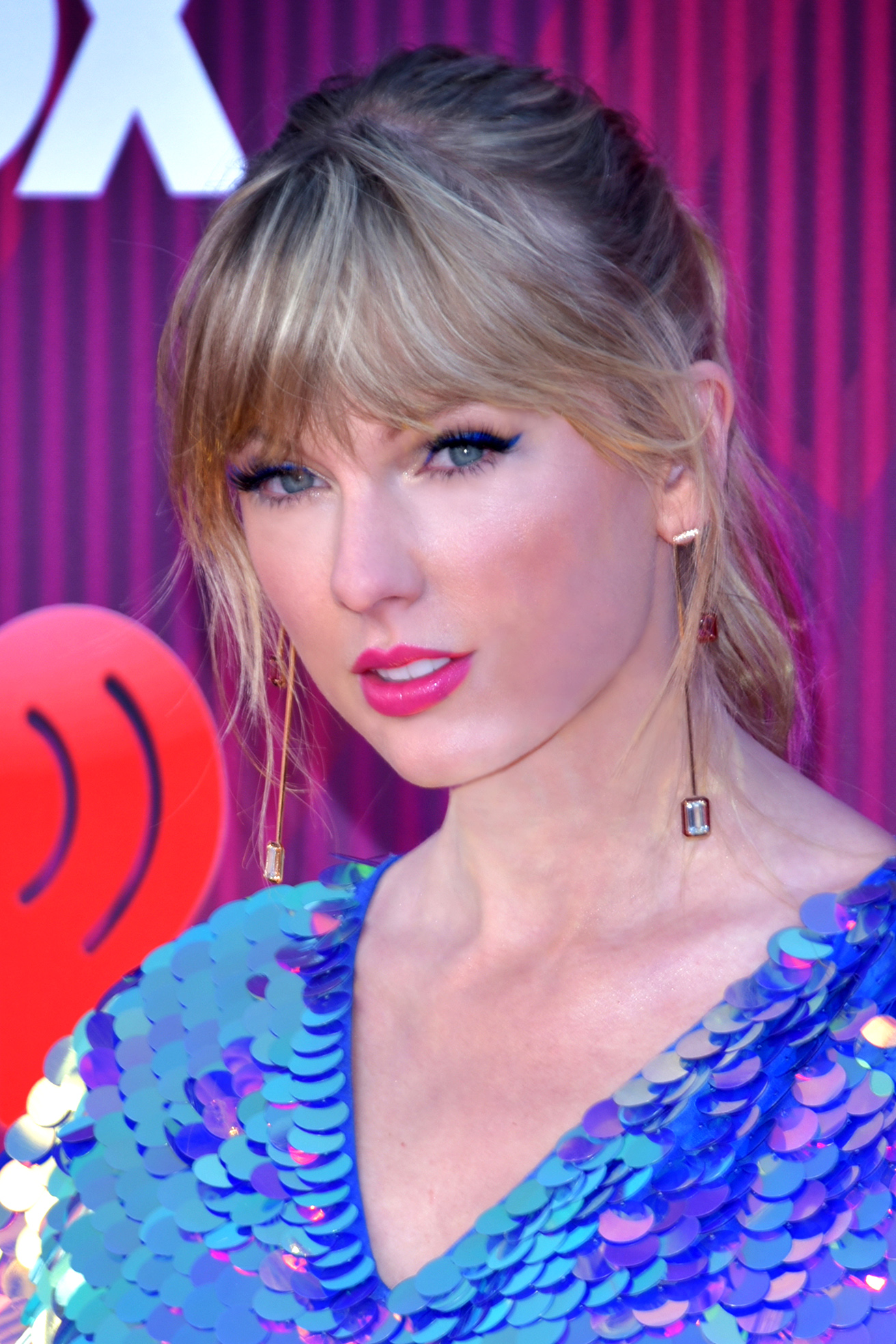
Taylor Swift to receive Hollywood Reporter's Sherry Lansing Leadership Award

Disney and Adobe sign multiyear deal to build custom AI tools for theme parks and studios

"The Rings of Power" returns for season three as Amazon bets on a franchise with disputed viewership numbers
