Long sleep tied to higher risk of kidney damage in people with type 2 diabetes, study finds
A six-year study of adults with type 2 diabetes found that those who habitually slept longer were more likely to develop or worsen kidney disease, researchers reported — though they caution the finding is observational and sleep itself may be a marker of vulnerability rather than a cause.
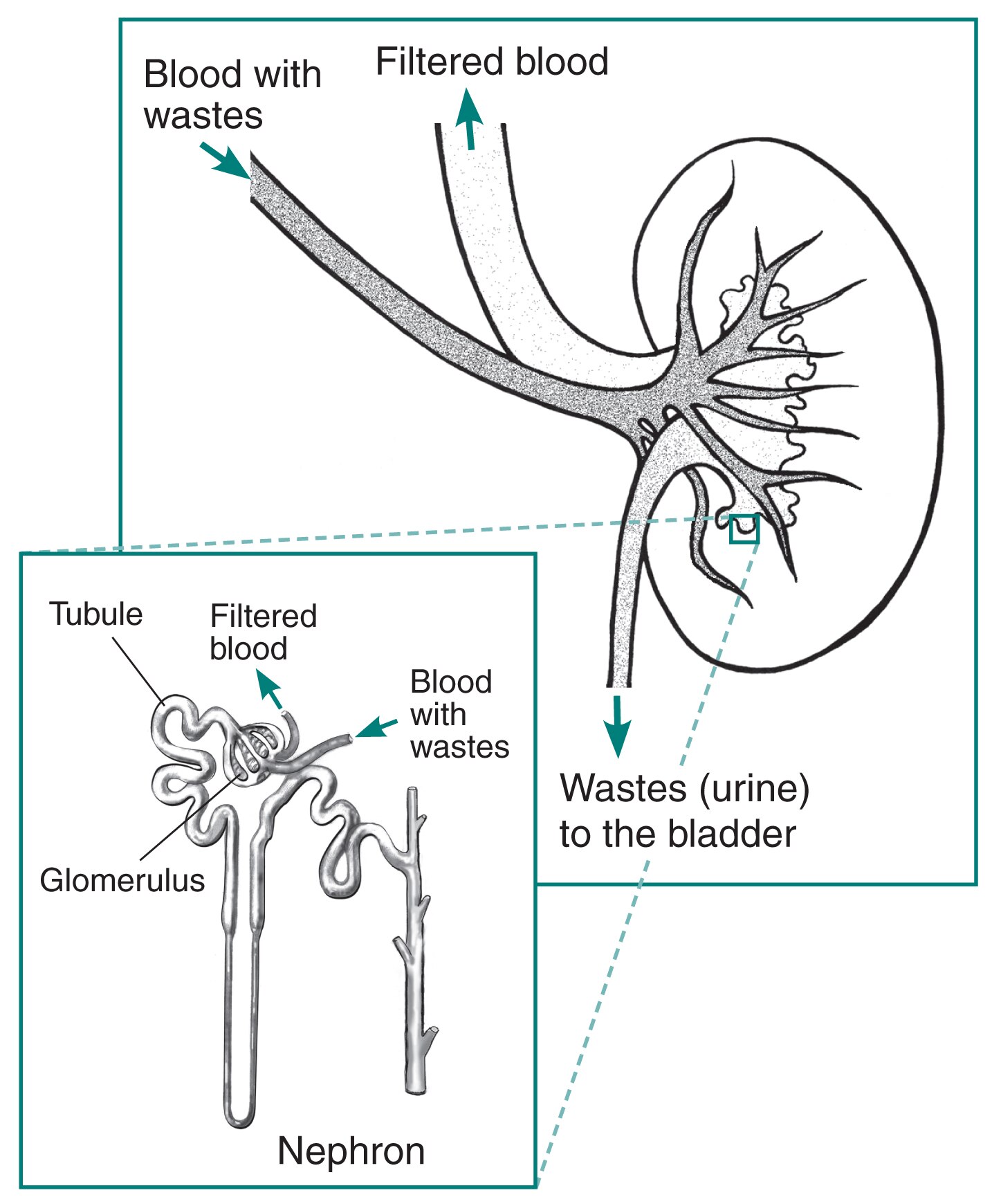
People with type 2 diabetes who habitually sleep longer hours face a higher risk of developing or worsening kidney disease, according to a study released Wednesday by the Endocrine Society. The research, published in the Journal of the Endocrine Society, followed hundreds of adults with diabetes for roughly six years and found that longer habitual sleep duration tracked with a greater likelihood of diabetic nephropathy, the kidney damage that is among diabetes' most serious complications.
The findings, reported Thursday morning, add a new and somewhat counterintuitive variable to a complication that clinicians already watch closely. Sleep has long been studied as a risk factor for diabetes itself; this study instead asks what sleep patterns mean after diabetes is already present, and for the health of the kidneys specifically.
What the study found
The research team, led by Tomoya Mita, M.D., Ph.D., of Juntendo University Graduate School of Medicine in Tokyo, tracked 678 Japanese adults with type 2 diabetes over approximately six years, according to an independent summary of the findings that matched details in the Endocrine Society's release. Participants' habitual sleep duration was assessed, and researchers tracked whether they went on to develop diabetic nephropathy or, among those who already had it, whether their kidney function worsened.
Longer sleep was associated with a higher risk of both outcomes. The association was most pronounced in two groups: older adults, and people who already showed early signs of kidney damage, such as microalbuminuria (small amounts of protein leaking into urine) or reduced kidney function at the study's outset. The released summaries of the paper do not include the underlying hazard ratios, confidence intervals or precise sleep-duration thresholds, and a formal DOI for the paper was not yet publicly listed at the time of this report.
Diabetic nephropathy is common and consequential. About one in three adults with diabetes has kidney disease, according to the National Institute of Diabetes and Digestive and Kidney Diseases, and federal survey data show the gap starkly: the crude prevalence of chronic kidney disease among US adults with diabetes was 37.0 percent, versus 10.1 percent among adults without diabetes, in the most recent national health survey data cited by the Centers for Disease Control and Prevention.
Why sleep may matter for the kidneys
The new study joins a body of research that has tried, with mixed results, to pin down how sleep duration interacts with kidney health in people with diabetes. A 2023 cohort study of nearly 3,000 adults with type 2 diabetes in Shanghai, published in Frontiers in Endocrinology, found a similar pattern: compared with people sleeping a middle range of hours, those who slept longer had a 47 percent higher risk of developing diabetic kidney disease, a risk that climbed further among people who also gained weight. Other studies, including smaller cross-sectional work in Singapore and China, have found associations running in different directions — some tying short sleep, rather than long sleep, to kidney damage — underscoring how unsettled this question remains.
Mita and his co-authors were careful to frame their results as an association, not a demonstrated cause. "Longer sleep may be a readily observable marker of underlying health vulnerability," Mita said, according to the Endocrine Society's release, rather than a direct driver of kidney decline. Researchers in this field have floated several possible explanations for why long sleep might correlate with illness: it can reflect fatigue from underlying inflammation, disrupted glucose metabolism overnight, undiagnosed sleep-disordered breathing, or simply the exhaustion that accompanies more advanced disease rather than causing it.
"People should not read these findings as advice to reduce their sleep," Mita said, noting that the study was observational and cannot establish that longer sleep itself causes kidney damage.
Who should take note
The clearest takeaway from the study is who warrants closer attention: older adults with type 2 diabetes, and those who already have early markers of kidney involvement. For that population, the authors suggest that a patient's sleep habits could become one more detail — alongside blood sugar control, blood pressure and existing albumin levels — that a clinician factors into how closely to monitor kidney function.
That framing matters for a disease that is already a leading cause of kidney failure in the United States. Diabetes is the primary cause of kidney failure requiring dialysis or a transplant in roughly half of new cases nationally, and the CDC has noted that the number of Americans living with treated kidney failure has risen sharply over the past two decades. Any factor that helps identify which patients with diabetes are more likely to progress to advanced kidney disease is of practical interest to primary care doctors and endocrinologists managing the condition day to day.
The study does not suggest that people without diabetes, or those with well-controlled diabetes and no kidney involvement, need to change their sleep habits. General federal guidance on sleep remains unchanged by this research: the CDC recommends that adults get at least seven hours of sleep per night, as insufficient sleep carries its own, separately documented health risks.
What happens next
Because the study is observational — it tracked people's existing habits rather than randomly assigning different sleep durations — it cannot establish that sleeping longer causes kidney damage, only that the two trends appeared together over six years of follow-up. The authors themselves flagged this limitation, and outside experts will likely want to see the effect replicated in other populations beyond the Japanese cohort studied, with more detail on how sleep was measured and what other health conditions might explain the link.
For now, the practical implication is narrower than the headline risk might suggest: a signal for clinicians to watch, not a new instruction for patients. Physicians treating older patients with type 2 diabetes, particularly those who already show early kidney changes, may use reports of unusually long sleep as one more data point prompting closer kidney monitoring — bloodwork and urine tests that are already standard in diabetes care. Broader confirmation, including studies in Western populations and ones that can better separate cause from effect, is the logical next step before the finding changes clinical guidance.

Study Finds Food Processing Itself, Not Just Nutrients, Alters Insulin and Brain Response

Study links for-profit hospital ownership to higher death rates, points to nurse staffing

New Trial Finds a Way to Narrow the Racial Gap in End-of-Life Planning
