New York dairy recalls all raw cheddar cheese over Listeria risk, second recall in a month
Family Farmstead Dairy of Worcester, New York, has recalled all of its raw cheddar cheese sold in 12 states after testing raised concerns about Listeria monocytogenes, just three weeks after the same company recalled cheese for possible E. coli contamination.

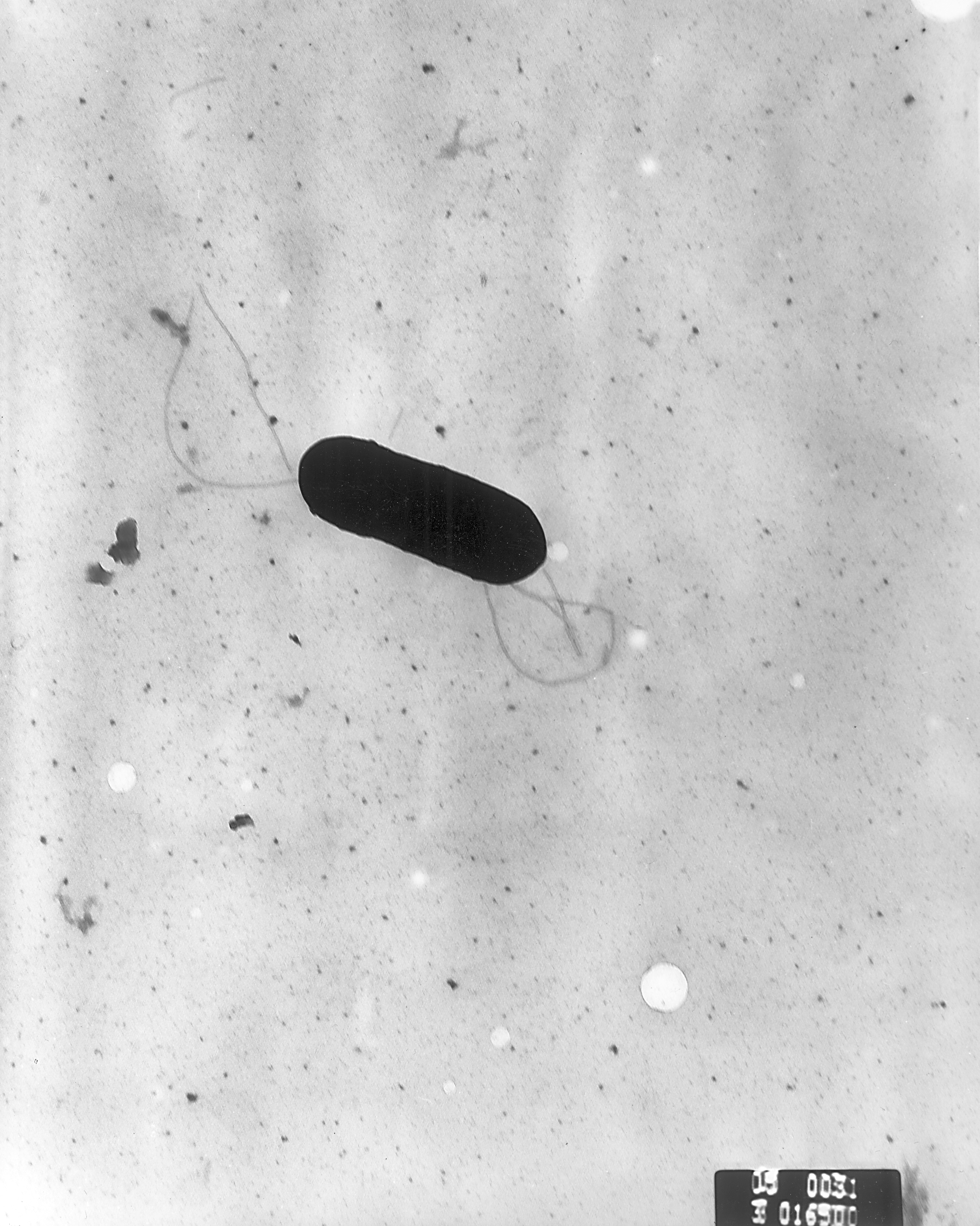
A New York cheesemaker has recalled all of its raw cheddar cheese products over possible contamination with Listeria monocytogenes, the second time in less than a month that the small dairy has pulled cheese from stores after a pathogen was detected. Family Farmstead Dairy of Worcester, New York, said on November 10 that it was recalling its Raw Mild Cheddar and Raw Sharp Cheddar, both sold in 8-ounce, plastic-wrapped packages, with all lot codes carrying a best-by date of October 16, 2027, or earlier.
The company said the recalled cheese reached retail stores in 12 states: New York, New Jersey, Vermont, New Hampshire, Massachusetts, Pennsylvania, Rhode Island, Connecticut, Delaware, Virginia, West Virginia and Tennessee, a distribution footprint first reported by Medical Daily and other outlets after the FDA posted the notice. No illnesses have been reported in connection with the products, according to the recall notice posted on the Food and Drug Administration's website.
A second recall in less than a month
The Listeria recall follows an earlier action by the same company on October 15, when it recalled a single lot of Raw Mild Cheddar after a routine sample tested by a Maryland laboratory turned up two strains of Shiga toxin-producing E. coli, identified as O26:H11 and O45:H2. That first notice, later corrected by the FDA to update the bacterial strains and the list of affected states, said the implicated product had reached grocers in New York, New Jersey, Pennsylvania, Connecticut, Maryland, Virginia and Massachusetts, and may have traveled further through downstream distributors. No illnesses were tied to that recall either.
"We sincerely apologize to our customers, retail partners, and consumers for the inconvenience caused by this recall," the company said in its October notice.
The FDA has not indicated whether the two incidents, three weeks apart, share a common source inside the company's production facility. Neither recall notice states how the Listeria contamination was discovered, though the October case was traced through routine finished-product sampling.
Who is at risk from Listeria
Unlike the Shiga toxin-producing E. coli involved in October, Listeria poses its sharpest danger to a narrower group of consumers. The Centers for Disease Control and Prevention says the bacteria are most likely to harm pregnant women, newborns, older adults and people with weakened immune systems. Invasive illness in otherwise healthy adults usually produces fever and flu-like symptoms, including muscle aches and fatigue, and can begin as late as two weeks after eating contaminated food. Among non-pregnant people who develop invasive disease, roughly one in six die, the agency says.
In pregnant women, Listeria infection is often mild to the mother but can cause miscarriage, stillbirth, premature delivery or a life-threatening infection in a newborn. People who ate the recalled cheddar are being advised to monitor for symptoms and to contact a doctor if they develop fever or other signs of illness, particularly if they fall into one of the higher-risk groups.
Listeriosis is uncommon compared with other foodborne illnesses but disproportionately deadly. The CDC estimates that about 1,250 people become infected in the United States each year, including undiagnosed and unreported cases, while roughly 800 laboratory-confirmed infections are reported annually to its national surveillance system. The agency puts the death toll at about 172 people a year, a case-fatality rate that makes listeriosis the fourth-leading cause of death from foodborne illness in the country. Soft and semi-soft cheeses, deli meats and other ready-to-eat foods that are not cooked again before consumption are the products most often implicated in Listeria outbreaks, because the bacteria, unlike many other foodborne pathogens, can survive and even multiply at refrigerator temperatures.
Raw-milk cheese occupies an unusual legal niche in American food regulation. Selling unpasteurized fluid milk across state lines is generally prohibited, but federal rules have long permitted hard cheeses made from raw milk to be sold nationally if they are aged at least 60 days, a provision adopted decades ago on the theory that the aging process would reduce harmful bacteria to safe levels. Public-health researchers have since questioned how reliably that aging period controls pathogens such as E. coli and Listeria in every cheese variety and production environment, a concern that has drawn renewed attention, as tracked by outlets such as Food Poisoning Bulletin, after a string of raw-dairy recalls and outbreaks across the country in recent years.
What consumers should do
Family Farmstead Dairy is telling customers who bought the recalled cheddar not to eat it. The company is asking buyers to return the product to the store where it was purchased for a refund, or to contact the dairy directly with questions.
- Check any Family Farmstead Raw Mild Cheddar or Raw Sharp Cheddar for a best-by date of October 16, 2027, or earlier.
- Discard the cheese or return it to the retailer; do not taste it to check for spoilage, since Listeria does not typically change a food's smell or appearance.
- Wipe down refrigerator shelving, cutting boards and utensils that may have touched the cheese, since Listeria can survive refrigeration and spread to other surfaces.
- Contact a physician if symptoms such as fever, muscle aches, headache or stiff neck develop, especially among pregnant women, older adults or people with compromised immune systems.
Consumers with questions can reach Family Farmstead Dairy at (607) 397-4044, Monday through Friday from 8:30 a.m. to 5 p.m. Eastern time. The FDA recall notice includes the dairy's full statement and is updated if the agency assigns the recall a formal risk classification, a step that typically follows an initial company announcement by several weeks.
Whether the two recalls will prompt a wider look at the facility's production practices is not yet clear from public records. Neither the FDA nor the company has said whether state or federal inspectors visited the plant between the October and November recalls.

FDA recalls Brad's kale and veggie chips after thallium found in tested samples
USDA warns of Listeria risk in ready-to-eat meals made with recalled biscuits

Flu hospitalizations climb sharply nationwide as Thanksgiving travel approaches, CDC data show
