Pennsylvania's measles outbreak, the nation's largest in decades, tops 1,200 cases as a sixth death is reported
State health officials have confirmed 1,222 measles cases and sent an urgent request for federal help, as a Franklin County coroner reports a sixth death and researchers warn the broader U.S. outbreak could cost the country its 26-year-old measles-elimination status.
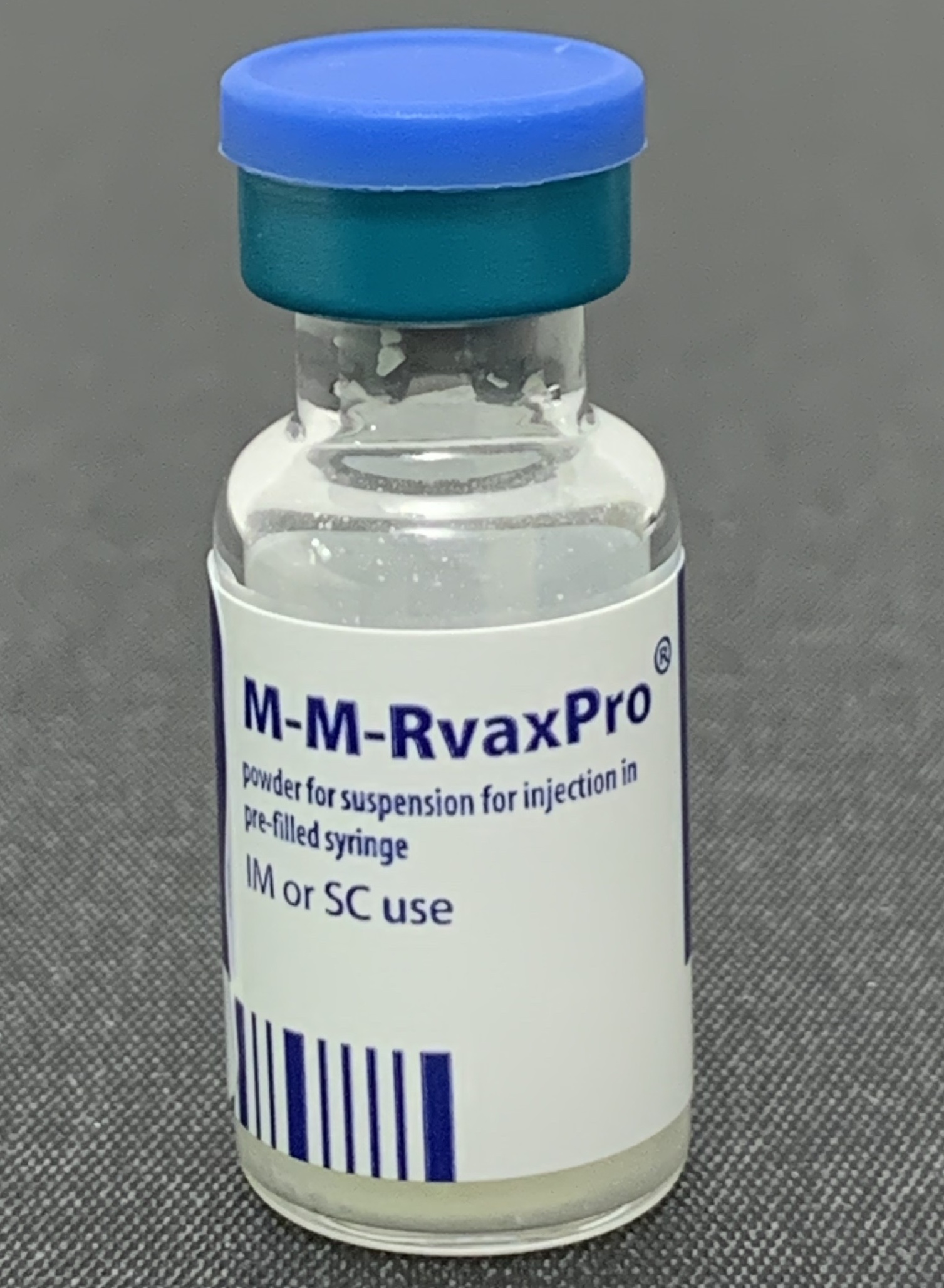
Pennsylvania's measles outbreak has become the largest any American state has recorded since the United States declared the disease eliminated in 2000, with state health officials confirming 1,222 cases as of Oct. 14 and a county coroner reporting a sixth death linked to the virus two days earlier. The Centers for Disease Control and Prevention said this week it is sending additional investigators to the state, and researchers warn the broader U.S. outbreak could cost the country its measles-elimination status altogether when international health officials review the record next month.
The outbreak, centered in Lancaster County's Amish and Mennonite communities, began in late April and has since spread to 41 of Pennsylvania's 67 counties. It now accounts for roughly a quarter of the measles cases reported nationwide this year, at a time when the national count has already climbed to its highest level since 1991.
The numbers
Pennsylvania's Department of Health reported 1,222 confirmed cases this year as of Oct. 14, an increase of 86 cases in a single week, with 225 hospitalizations since the outbreak began. The state has confirmed five measles-associated deaths. A sixth death, a 39-year-old Franklin County woman who died Oct. 10 after a recent measles diagnosis, was announced by the county coroner's office on Oct. 12 and is still under state review.
Nationally, the CDC had logged 4,080 confirmed measles cases across 47 jurisdictions as of Oct. 8, the most since the country recorded more than 55,000 cases during a 1989-91 epidemic. Beyond Pennsylvania, Utah has reported 535 cases this year, South Carolina 370, Ohio nearly 150 — including transmission in Amish communities — and New York 108, prompting Gov. Kathy Hochul to declare a statewide disaster emergency through Nov. 4 that expands who can administer the MMR vaccine. The CDC's own national death tally stands at two for 2026, a discrepancy that has become its own point of contention.
How the outbreak took hold
The chain of infections traces to Lancaster County, home to one of the country's largest Amish and Mennonite populations, where the first cases surfaced in late April. Lancaster has accounted for roughly 60 percent of the state's cases and has some of Pennsylvania's lowest childhood vaccination rates. Statewide, kindergarten coverage with the measles-mumps-rubella vaccine stood at about 92.7 percent for the 2025-26 school year, according to CDC data, below the roughly 95 percent threshold public-health officials consider necessary for herd immunity. About 6 percent of the state's kindergartners hold vaccine exemptions, most for non-medical reasons, under one of the more permissive exemption policies in the country.
State officials have tried to close that gap since the spring. The health department has run more than 170 pop-up vaccination clinics in affected communities and says primary-care providers administered roughly 49,000 MMR doses in August alone, nearly double the typical monthly rate. The department's own guidance notes the vaccine is about 97 percent effective after two doses, and the state offers it free to children on Medicaid or without insurance.
Who is affected, and how officials are responding
About one in five Pennsylvania measles patients this year has needed hospitalization, nearly double the roughly 11 percent national rate seen in 2025, according to public-health researchers tracking the outbreak. Hospitals in Lancaster and the surrounding region have treated children and adults with pneumonia, encephalitis and hepatitis-like complications; one pediatric infectious-disease specialist at Penn State Health Golisano Children's Hospital has told reporters he believes the true infection count is higher than reported, because exposed household contacts of hospitalized patients are not always tested.
The federal government is now formally involved. Pennsylvania requested help this month through the CDC's Epi-Aid emergency-response program — the same mechanism Texas, South Carolina, Virginia, Kansas, New Mexico and Wisconsin have used for their own outbreaks this year — and the agency said Oct. 13 it would deploy additional staff to assist the state's investigation.
Pennsylvania's Secretary of Health, Dr. Debra Bogen, has repeatedly framed the outbreak as a consequence of fading institutional memory of a disease vaccines had all but erased.
"Because measles was largely eliminated in the Commonwealth for more than three decades, people are not familiar with this disease," Bogen said in a department statement after the state's first measles deaths in 35 years.
That messaging has collided with a separate, more political dispute over how the deaths themselves are counted. Gov. Josh Shapiro has accused Health and Human Services Secretary Robert F. Kennedy Jr. of sowing doubt about vaccines and understating a disease the country eliminated more than two decades ago; the CDC's national tally of two 2026 measles-associated deaths is well below the five to six Pennsylvania has recorded, a gap state and federal officials attribute to differing definitions of "measles-associated." Kennedy has said Pennsylvania's announcements of some deaths were premature and accused the governor of using them for political advantage. Separately, a Lancaster County commissioner, citing the county coroner, said one of the state's earliest reported deaths — an infant — involved a ruptured spleen rather than measles itself, even though the infant tested positive for the virus after death; the health department has said "measles-associated" describes cases where laboratory evidence of the virus is present, whether or not it was the immediate cause of death.
What happens next
The CDC's newly deployed team is expected to work with Pennsylvania's health department on case investigation, contact tracing and vaccination outreach in the hardest-hit counties, with no set end date given. State officials have said they will keep expanding pop-up clinics in Lancaster and neighboring counties as the outbreak continues.
The bigger reckoning may come in November, when the Pan American Health Organization's Regional Monitoring and Re-Verification Commission is scheduled to decide whether the United States still qualifies as having eliminated measles — a status it has held since 2000. Elimination requires that no chain of transmission of the same viral lineage continue uninterrupted for 12 months. A letter published in The Lancet, flagged by the outbreak-tracking site CIDRAP, concluded the country has already missed four of the seven indicators used to judge elimination and is unlikely to meet the remaining three. The Pan American Health Organization postponed its original spring review to allow U.S. authorities more time to complete genomic sequencing of the virus samples driving the outbreak, pushing the decision to its full annual meeting next month.
Losing elimination status would be largely symbolic — it would not change clinical guidance or vaccine recommendations — but public-health officials say it would mark the formal end of a milestone the country reached after decades of vaccination campaigns, and an acknowledgment that measles is again spreading on its own within U.S. borders rather than arriving solely through travel.

Flu season arrives weeks early across the US, with the West Coast hit hardest

Workers' Financial Security Hits 7-Year Low as Many Skip Care Over Cost
ACA Premiums Set to Jump Again as Subsidies Lapse Ahead of Nov. 1 Enrollment
