U.S. Measles Outbreak Climbs Past 4,400 Cases, Its Worst Toll in Years
Federal data released this week show confirmed measles cases nationwide have climbed 93 percent above all of last year, as Pennsylvania reports a sixth outbreak-linked death and New York's emergency declaration over the disease remains in force.

The United States' measles outbreak has grown to its largest tally in years, with federal health officials reporting 4,410 confirmed cases nationwide as of Oct. 15 — a one-week jump of 330 cases, or 8.1 percent, and a total already 93 percent above the 2,289 cases recorded in all of 2025. The new figures, posted by the Centers for Disease Control and Prevention in its weekly measles surveillance update, mark the fourth consecutive week of accelerating growth and come as Pennsylvania reports a sixth outbreak-linked death and New York's statewide emergency declaration over the disease remains in force.
The scope of the outbreak
CDC's count spans 47 jurisdictions, plus 18 cases identified among international visitors. The agency has recorded 42 separate outbreaks in 2026 — defined as clusters of three or more linked cases — and says 96 percent of this year's infections are tied to one of those chains of transmission. Hospitalizations have reached 451, roughly one in 10 confirmed cases, up from 414 a week earlier. People younger than 20 account for 59 percent of the total.
Pennsylvania remains the epicenter. The state Department of Health's most recent statewide update put its count at 1,222 cases across 42 counties, with 225 hospitalizations and five deaths the department has classified as measles-associated under its own surveillance definition. A Franklin County coroner's office separately attributed the death of a 39-year-old woman to a probable cardiac event linked to measles complications, a case reported as the outbreak's sixth fatality and one the state health department says it is still reviewing. Nationally, the CDC's own tracker has confirmed only two measles-associated deaths this year, a discrepancy that reflects an unresolved dispute this fall between Pennsylvania officials and federal health officials over how such deaths should be counted.
Young children are bearing the brunt
Children remain the group most likely to be hospitalized. Among patients younger than 5, 15 percent have required hospital care, compared with 5 percent of those between 5 and 19 and 14 percent of adults 20 and older, according to the CDC breakdown. Measles can cause pneumonia and encephalitis, and in rare cases a fatal degenerative brain disease that can surface years after a childhood infection. Infants are too young to receive their first MMR dose until 12 months, which is why pediatricians and state health departments say vaccination among older children and adults also matters: it reduces the chance that an infant too young to be vaccinated is ever exposed in the first place.
Vaccination rates have been slipping
Public health researchers trace the outbreak's persistence to a gradual erosion in childhood vaccination coverage. CDC data released in August showed that just 92.4 percent of kindergartners nationally had received the measles-mumps-rubella vaccine during the 2025-26 school year, below the roughly 95 percent threshold generally considered necessary to prevent sustained community spread. Exemptions from one or more required vaccines climbed to a record 4.2 percent, up from 3.6 percent the prior year, with 24 states reporting exemption rates above 5 percent. An estimated 280,000 kindergartners started school without documented proof of completing the two-dose MMR series.
Those gaps have been most pronounced in rural and under-immunized communities, which is where this year's largest clusters have taken hold. In Pennsylvania, state officials say fewer than 1 percent of the state's cases have occurred in fully vaccinated people. New York's outbreak, concentrated in 18 rural counties, has been similarly linked to pockets of low vaccine uptake rather than to the state's major cities.
An emergency declaration still in effect
New York Gov. Kathy Hochul declared a state disaster emergency on Oct. 5, a step her office said was the first such measles-related declaration by any state since cases began climbing in 2025. The order, which runs through Nov. 4, temporarily expands who can administer the MMR vaccine to include paramedics, advanced emergency medical technicians, pharmacists and midwives, and it allows registered nurses to order testing for suspected cases without a physician's order.
I am declaring a State Disaster Emergency to strengthen our ongoing efforts to confront this disease. No one should get seriously ill or die from a vaccine-preventable disease.
New York State Health Commissioner Dr. James McDonald echoed that message, calling the MMR vaccine the best protection and urging residents to confirm their families' immunization status. State Sen. Gustavo Rivera, who represents part of the Bronx, attributed the resurgence to a decrease in childhood vaccination driven by misinformation.
Infectious-disease specialists following the data say the trend shows little sign of leveling off. Weekly case growth accelerated between the CDC's two most recent reports, and outlets tracking the agency's figures, including one weekly measles tracker, have noted that this year's outbreak count already matches most of 2025's full-year total, with more than two months left before the close of 2026.
What happens next
Pennsylvania has asked the CDC for additional field support through its Epidemic Intelligence Service, and the agency has said it will send investigators to help the state's health department review its outbreak and its disputed death count. New York's emergency order is set to expire Nov. 4 unless renewed. Separately, international health reviewers were expected to examine whether the United States has retained its formal measles elimination status — a designation tied to the absence of continuous disease transmission for 12 months — in a review originally scheduled for the spring and now pushed back to November.
For now, federal and state health officials are repeating the same guidance: two doses of the MMR vaccine, usually given at 12-15 months and 4-6 years of age, are about 97 percent effective at preventing infection, and anyone unsure of their vaccination status is encouraged to consult a health care provider or local health department before holiday travel season begins. Pennsylvania's health department says its staff have administered more than 5,500 MMR doses at roughly 180 pop-up clinics since the outbreak began in late April, and officials in both states say they expect to keep running them for as long as new cases continue to appear.

A wave of recalled Amazon bed rails exposes a persistent elder-safety gap
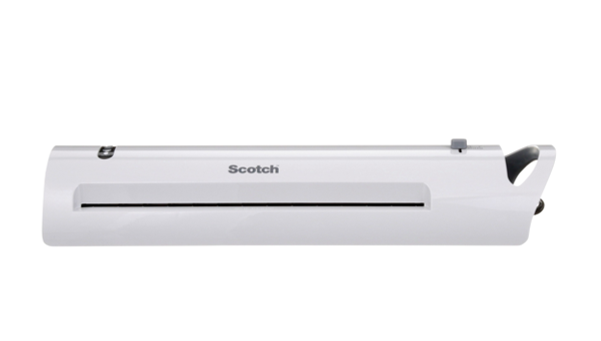
3M Recalls 53,600 Scotch Laminators After Reports of Overheating and Fires

Trial Finds Glucose Monitors Help Diabetes Patients Who Don't Use Insulin, Reopening Insurance Debate