Opinion: America Is About to Lose Its Measles-Free Status, and Washington's Fingerprints Are on It
As an international panel prepares to rule next week on whether measles has become endemic in the United States again, the record outbreak behind that verdict traces less to bad luck than to a year of self-inflicted damage to federal vaccine policy.
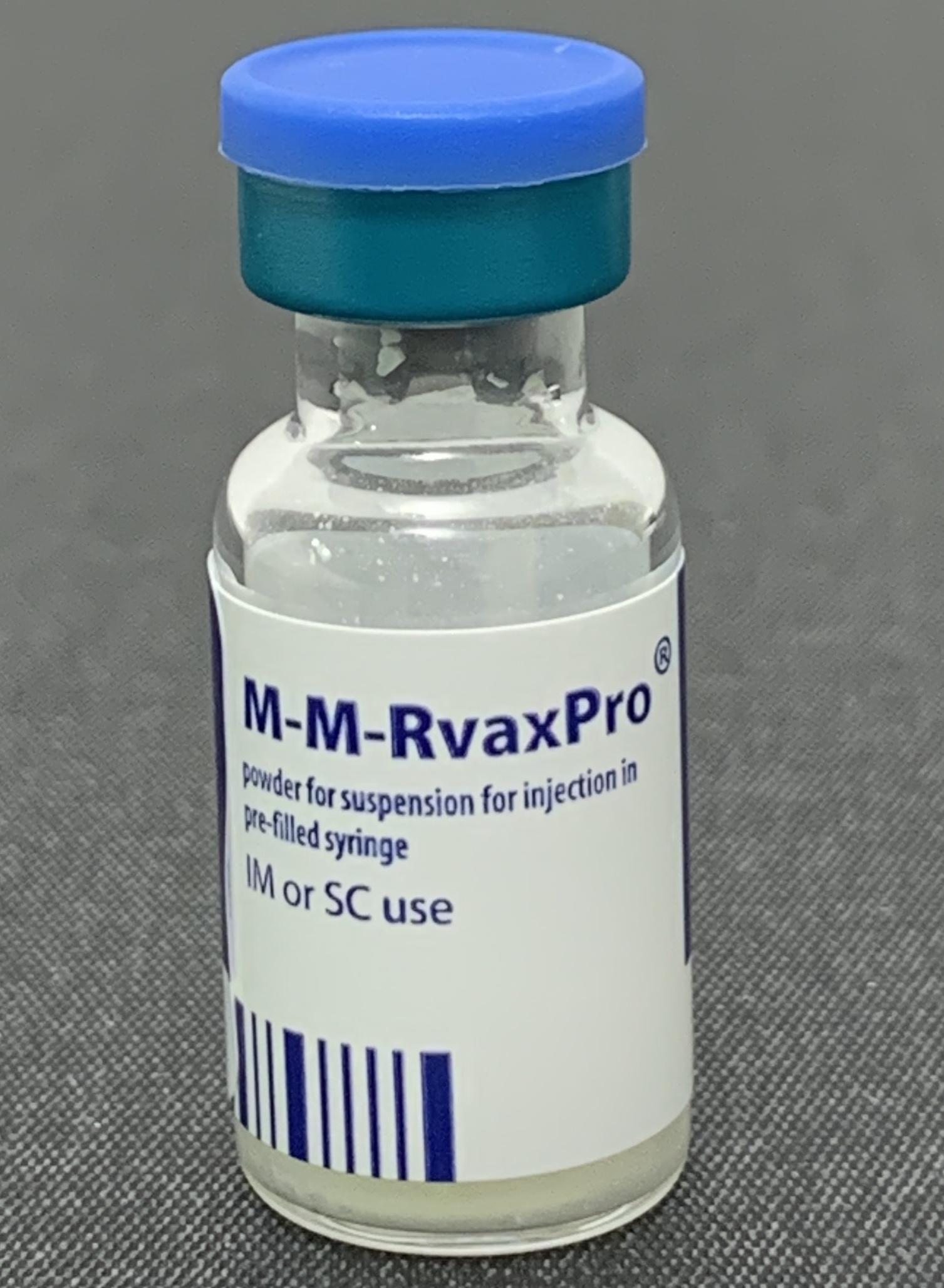
Next week, a technical panel convened by the Pan American Health Organization will decide something the United States has not had to contend with in a generation: whether measles has become endemic on American soil again. The Regional Verification Commission for Measles and Rubella Elimination holds its sixth annual meeting from November 10 to 13, reviewing 2025 and early-2026 data from every country in the Americas. The United States enters that review with 4,852 confirmed measles cases so far this year, the worst tally since the disease was declared eliminated in 2000, three deaths, and an outbreak chain that has now run uninterrupted for close to two years.
The verdict matters less as a label than as a diagnosis. Losing elimination status would confirm that a chain of measles transmission has circulated continuously for twelve months or more in a defined American community, the precise definition the Commission applies. Canada already crossed that line a year ago, becoming the first country in the Americas to lose the designation since the region was declared measles-free in 2016. The question now is whether the United States follows it, and whether anyone in Washington treats that outcome as the emergency it is.
A Quarter-Century Streak Nears Its End
The United States eliminated endemic measles in 2000, a milestone that took decades of sustained, politically unglamorous vaccination work to achieve. That streak has been fraying for a year. The outbreak PAHO is assessing traces to a case reported in West Texas on January 20, 2025, which seeded clusters that spread through Mennonite communities, then to South Carolina, Pennsylvania and dozens of other jurisdictions. By late October, the CDC counted 43 new outbreaks across 47 jurisdictions, with about 96 percent of this year's cases linked to one of those recognized outbreak chains rather than occurring as isolated travel-linked incidents. Kindergarten MMR coverage, meanwhile, has slipped from 95.2 percent before the pandemic to 92.4 percent in the 2025-2026 school year, leaving tens of thousands of incoming kindergartners without the standard two-dose protection, according to the CDC's own surveillance data.
None of that happened overnight, and none of it is solely Washington's doing. Vaccine hesitancy predates this administration by years. But the past eighteen months have added something new to the picture: a federal vaccine-policy apparatus that spent 2025 and 2026 in open disarray at precisely the moment outbreaks needed a steady, credible public health response.
A Crisis Made Partly in Washington
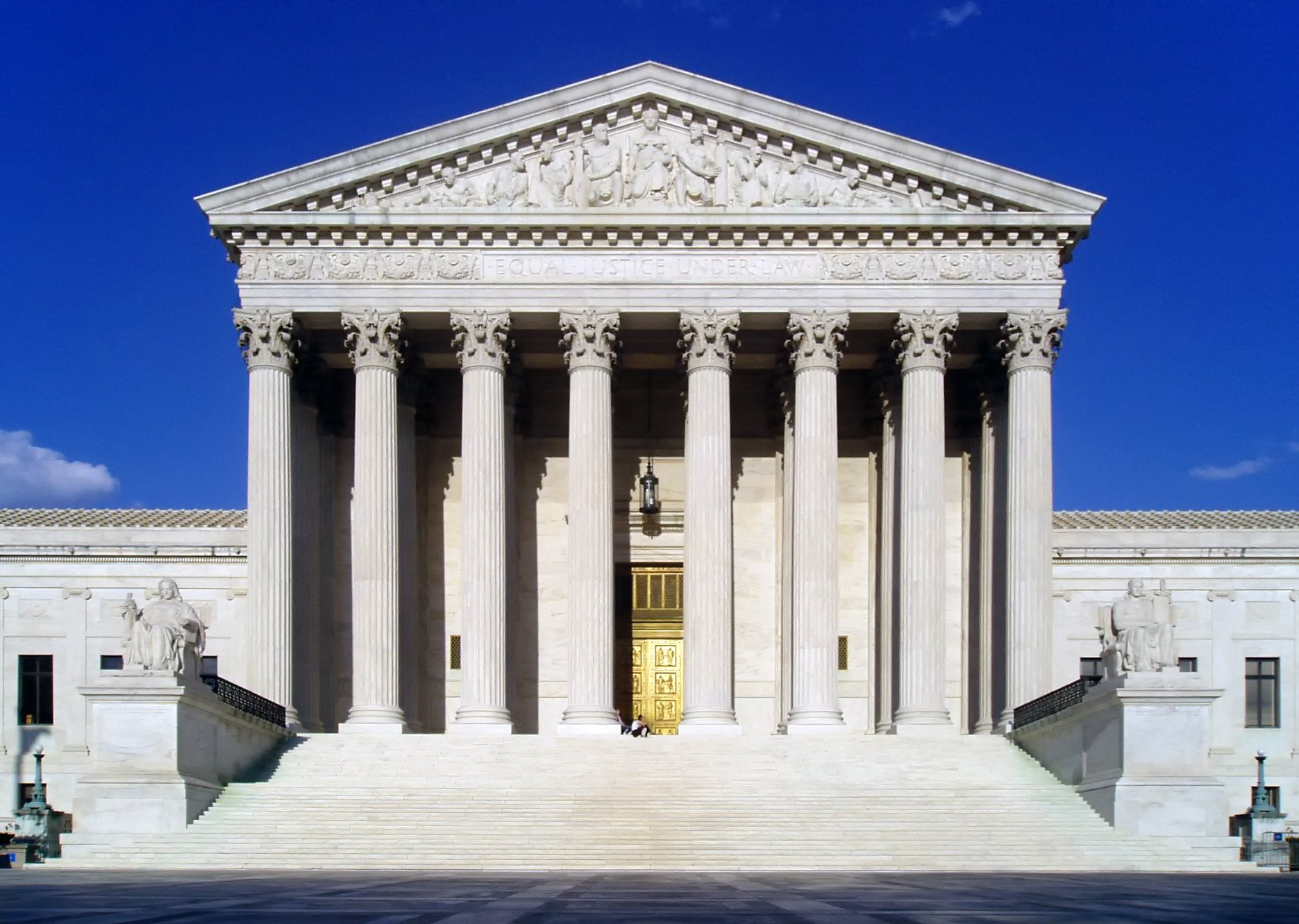
In June 2025, Health and Human Services Secretary Robert F. Kennedy Jr. dismissed all 17 sitting members of the Advisory Committee on Immunization Practices, the CDC's expert panel that has set vaccine policy through open, published deliberation for six decades, and replaced them with his own appointees. Seven months later, in January 2026, the CDC's acting director approved a rewritten childhood immunization schedule without routing it through that committee at all, bypassing the process Congress and the agency itself had always treated as the legitimizing step. The American Academy of Pediatrics and other medical groups sued, and on March 16, 2026, a federal judge in Massachusetts stayed both the rewritten schedule and the appointments of Kennedy's ACIP picks, finding the administration had likely acted contrary to the Administrative Procedure Act. The government has since appealed. In May, President Trump signed Executive Order 14407, directing HHS and ACIP to realign the childhood schedule with those of other wealthy nations, reopening the same fight the courts had only recently paused.
That is a year of litigation, reversal and relitigation over the single document that tells pediatricians and parents what shots a child needs and when. It is difficult to design a worse backdrop against which to ask a nervous, under-vaccinated public to trust a vaccine recommendation. A Congressional Research Service briefing updated in July catalogued the churn in plain terms: changes made after June 11, 2025 "are currently stayed by a district court order," meaning the government's own preferred schedule has no legal effect even as officials keep pushing it. Policy whiplash of that kind is not a neutral backdrop to an outbreak. It is a variable in it.
Public health veterans saw the outcome coming well before this month's review. "My best guess is we will lose elimination status," Andrew Pavia, a Utah physician and longtime CDC consultant, told the Associated Press back in January, arguing that the case against continuous transmission was too thin to survive scrutiny. That forecast looks prescient now. It is also notable that even Secretary Kennedy, under congressional questioning this spring, allowed that the measles shot had likely saved lives during the Texas outbreak, a far more guarded position than his years of public skepticism toward the vaccine, but one that arrived only after the damage to public confidence, and to ACIP's standing, was largely done.
The Defense, and Its Limits
The administration's defenders have a real argument, not merely a convenient one. Losing elimination status is a technical classification, not a verdict on the entire health system; it reflects a chain of transmission in specific communities, many of them close-knit religious or under-vaccinated populations where hesitancy has deep roots that no single administration created. Secretary Kennedy has, as noted, publicly affirmed the vaccine's safety and value even while pursuing changes to how it is scheduled and administered. And comparably severe outbreaks have struck other wealthy countries, Canada among them, under health ministries with no equivalent to ACIP's 2025 shakeup.
That argument explains why measles found fertile ground. It does not explain why the federal government spent the exact year the outbreak needed firm, unified messaging instead relitigating the legitimacy of its own vaccine panel, nor why it chose January 2026, with outbreaks already active in multiple states, to issue a rewritten schedule without consulting the scientists statutorily positioned to vet it. Timing is not incidental in public health communication; it is close to the whole of it. A confused signal from Washington lands hardest exactly where hesitancy is already highest, which is precisely where this outbreak has spread.
What Comes Next
The Commission's findings, once relayed to the PAHO Director, will not themselves stop a single chain of transmission. But they will hand the United States an unambiguous, internationally verified record of what a year of policy chaos cost. Three paths follow from that record. Congress can use its oversight authority, and the pending appeal can resolve, once and for all, whether the executive branch may rewrite the immunization schedule without the advisory process Congress built for that purpose. The administration can stop treating ACIP's composition as a recurring battleground and let a stable, credible committee operate the way it has for sixty years. And state health departments, several of which have already begun following the American Academy of Pediatrics' schedule rather than Washington's disputed one, can keep offering parents a clear, single source of guidance until the federal one is trustworthy again.
Regaining elimination status, if the United States loses it next week, will not happen quickly. Canada's own path back, after its 2025 loss, is still unfinished. The deeper lesson for Washington is simpler than any epidemiological threshold: public confidence in vaccination is a resource that took a quarter-century to build and only a few years of institutional chaos to spend. The Commission's November 13 outcome, whichever way it lands, must be followed by a Washington that finally treats stability at ACIP as a public health necessity rather than a political opportunity.
PAHO — Measles and Rubella Elimination Regional Monitoring and Re-Verification Commission
CDC — Measles Cases and Outbreaks: Data and Research
PBS NewsHour / AP — The U.S. Is on the Verge of Losing Its Measles Elimination Status
Congressional Research Service — Briefing on Childhood Immunization Schedule Changes

Opinion: Capturing Maduro by Force Doesn't Entitle Washington to Skip Its Own Rules

Opinion: Wall Street Finally Started Pricing the AI Boom on Its Merits

Opinion: Russia's last independent newspaper just died, and Washington had nothing to say