Opinion: Guam's Beach Munitions Fight Tests Whether Agencies Can Dodge Environmental Review
A Guam case argued at the Supreme Court Wednesday asks whether a routine permit renewal counts as a decision the public can challenge — or an endless preliminary step beyond judicial reach.
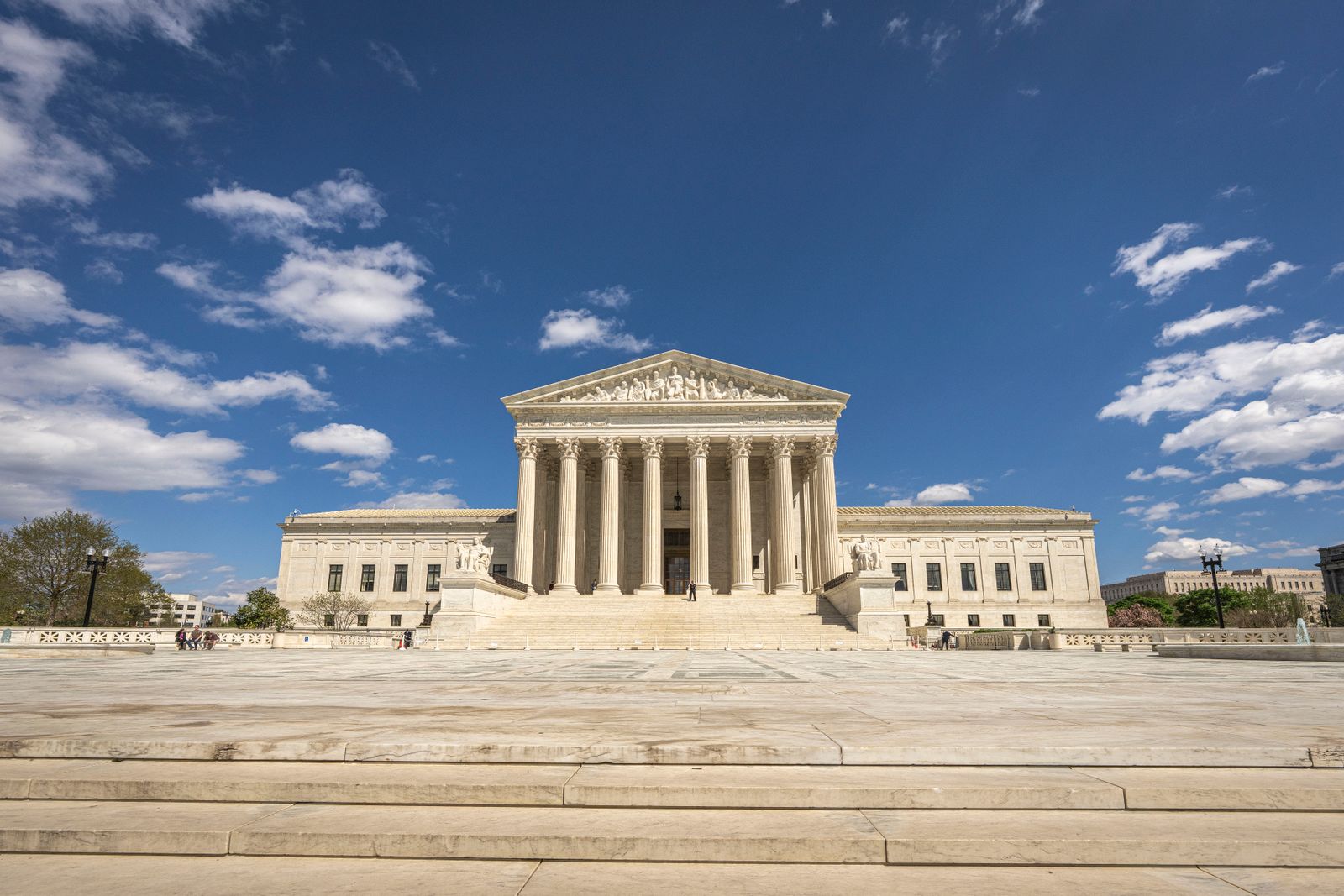
The Supreme Court heard arguments Wednesday in a dispute that sounds narrow — a hazardous-waste permit on a military base — but actually asks how much environmental review the federal government owes communities before, rather than after, it acts.
The case is Department of the Air Force v. Prutehi Guåhan, and the justices should resist the government's invitation to make it harder for ordinary communities to challenge federal decisions before the damage is already done.
The facts are mundane in the way that important administrative-law cases often are. The Air Force disposes of old ammunition, tear gas and propellants by detonating them in the open air at Tarague Beach, next to Andersen Air Force Base on Guam. In 2021 it applied to renew the hazardous-waste permit that allows this under federal law, and Guam's environmental regulator issued only a preliminary, non-final response. Prutehi Guåhan, a local group focused on the island's natural and cultural resources, sued anyway, arguing the Air Force needed to complete a full environmental review before even applying to keep burning munitions on a public beach. A divided Ninth Circuit panel agreed the suit could go forward, as SCOTUSblog's preview of the argument lays out. The Air Force now wants the Supreme Court to say the lawsuit was premature — that a permit application, standing alone, is not yet a "final agency action" a court can review.
That sounds technical, but the stakes are not. Under the Resource Conservation and Recovery Act, hazardous-waste permits like this one are meant to undergo scrutiny before they're renewed, not after communities discover what was burned near their shoreline. The companion question — whether the National Environmental Policy Act's demand for a full environmental-impact review applies here at all, or is swallowed by RCRA's narrower process — matters just as much. NEPA exists precisely to force agencies to study the consequences of what they're about to do while there's still time to change course.
The government's case, and why it falls short
The Air Force's position isn't frivolous. Letting lawsuits proceed against every preliminary regulatory step could tie agencies up in years of litigation before they've made any real decision, and hazardous-waste disposal is not a problem that can simply wait. The Supreme Court has long policed this exact line through its own "final agency action" doctrine, which already filters out genuinely premature suits — ones challenging agency musings rather than consequential commitments. That doctrine is the right tool here, but it points the other way. A permit renewal that keeps an existing detonation operation running on a beach, with no fixed end date for completing the paperwork, is not an abstract musing. It is the government continuing to do, indefinitely, exactly what the community says requires review first.
The deeper issue is who bears the cost of getting this wrong. Guam residents are U.S. citizens who send a delegate to Congress with no vote on final passage of the laws, including environmental laws, that govern what happens on their island. Procedural rights like NEPA review are often the only leverage such communities have before a federal agency's routine renewal becomes another year, or another decade, of business as usual.
Ruling for the Air Force would not just resolve one Guam lawsuit. It would hand every federal agency a cleaner argument that routine permit paperwork is immune from challenge until some later, harder-to-define moment — by which point the underlying activity has often continued unexamined. The Ninth Circuit got this right: when an agency's "preliminary" paperwork is functionally a decision to keep doing what it's already doing, courts should be able to say so. The justices should affirm.

Opinion: A War Timed to an Election Is Not a War Congress Has Authorized
Opinion: A $70,000 fee is the wrong way to fix the student-visa pipeline
Opinion: The government-funded Trump ads are exactly the propaganda Congress banned