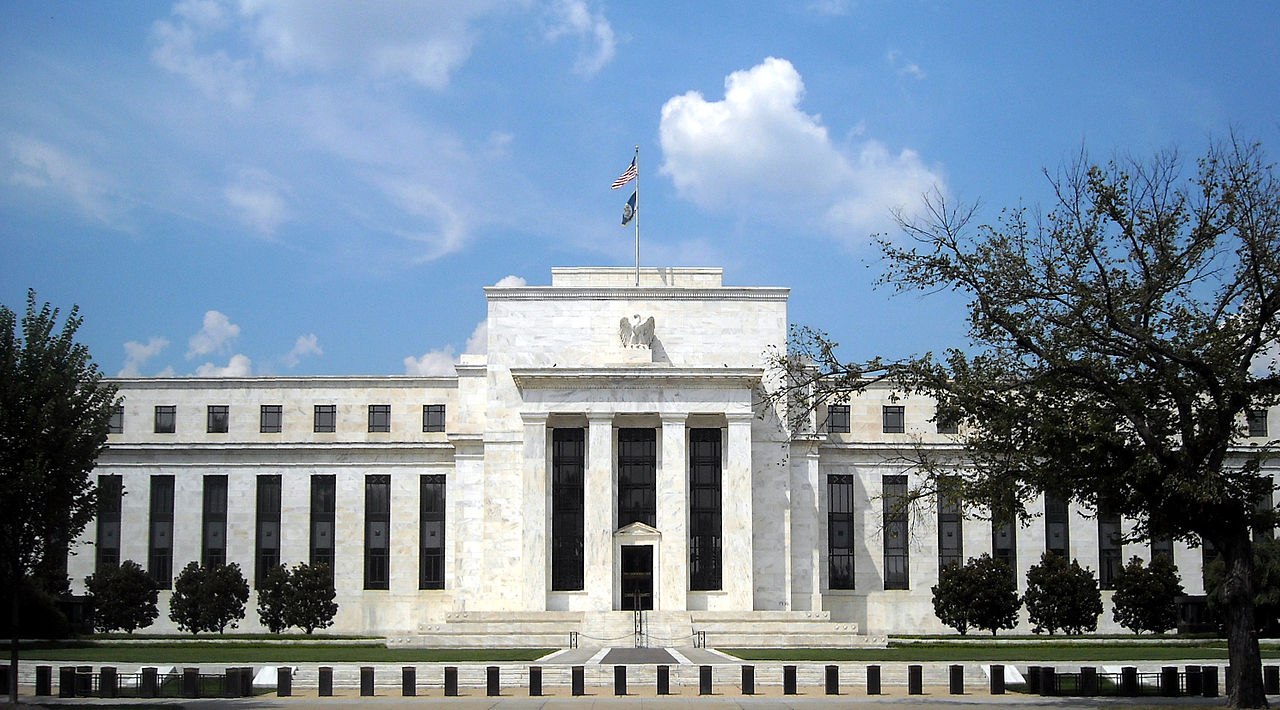
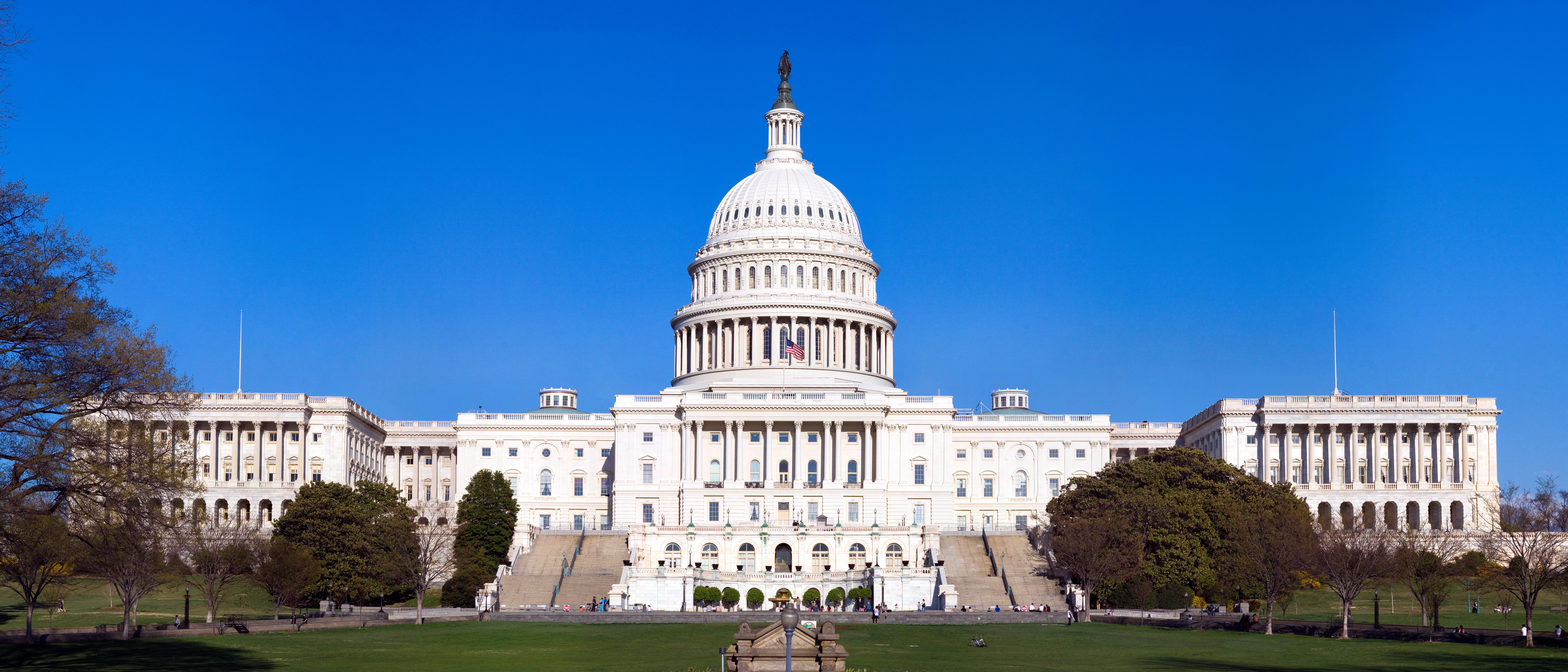
The chairman hired to cut rates is being forced to raise them instead
As the Iran war pushes oil past $100 a barrel and gasoline above $4.20 a gallon, Kevin Warsh — the Fed chairman Donald Trump picked expressly to deliver rate cuts — is edging toward the hike he did not want to give him.

Brent crude broke past $100 a barrel on Wednesday for the first time since July, a level that has not held for long this year but keeps returning. The immediate trigger was the sharpest naval escalation yet in the six-month-old war between the United States, Israel and Iran: American forces said they destroyed five Iranian oil tankers in the Gulf of Oman and near Kharg Island after Iran's Revolutionary Guard twice targeted a U.S. Navy warship with ballistic missiles, and Tehran answered by firing on an American base in Jordan. It is, by the count kept by military analysts, roughly the 194th day of a conflict that began on February 28. What makes this particular spike different is less the geopolitics than the timing. It lands one week before the Federal Reserve's September meeting, where the chairman President Trump installed specifically to bring interest rates down is now more likely than not to raise them instead.
What the numbers say
The gap between intention and outcome shows up first at the pump. The national average price of gasoline reached $4.22 a gallon this week, according to AAA's daily price tracker, up roughly a dollar from a year ago; diesel has climbed even further, to $5.94 a gallon, nearly 60 percent above where it stood twelve months earlier. A running tally kept by Brown University's Costs of War project puts the extra sum Americans have paid for gasoline and diesel alone, since the fighting began in late February, above $100 billion — something like $770 for the average household, accumulating by roughly a million dollars every two minutes. About a fifth of the world's oil physically passes through the Strait of Hormuz, according to the U.S. Energy Information Administration, which is precisely why a war fought mostly with missiles and drones keeps registering as a price shock on ordinary household budgets rather than staying confined to news of the fighting itself.
The Fed, for its part, has already told markets where it stands on the tension between that shock and its own mandate. At its July meeting the central bank voted 9 to 3 to hold rates at 3.5 to 3.75 percent, with three regional bank presidents dissenting in favor of an immediate quarter-point increase on the grounds that inflation had already run above the Fed's 2 percent target for more than five years. Traders now put the odds of a hike at the September 16 meeting at roughly 55 to 60 percent, a number that has moved steadily upward since Chairman Kevin Warsh's late-August remarks in Jackson Hole, where he warned that "underlying trends" in inflation "have not improved," even as he stopped short of promising any specific move.
A chairman hired to do the opposite
The irony here is not incidental; it is close to the entire story. Mr. Warsh was confirmed to the Fed chairmanship in May by the narrowest Senate margin in the job's modern history, nominated by a president who made no secret that he expected the new chairman to deliver the rate cuts his predecessor, Jerome Powell, had resisted. Mr. Trump has continued to say so publicly and often. In the past two weeks the president, the vice president, the Treasury secretary and a senior White House economic adviser have all pressed the Fed to keep rates flat or cut them, and Mr. Trump has gone further, disparaging the rate-setting committee and threatening to curtail trade with countries running surpluses against the United States if the Fed does not ease. None of it has moved Mr. Warsh off the position he staked out at Jackson Hole.
"I stand here today committed to a discipline, not to a decision," Chairman Warsh told the Kansas City Fed's Jackson Hole symposium in August.
That sentence is worth sitting with, because it is a direct answer to the premise on which Mr. Warsh got the job. The White House treated the Fed chairmanship as a lever to pull; the war has made clear it is closer to a thermostat responding to conditions no single appointment can override. The same Supreme Court that in June blocked Mr. Trump's attempt to remove Governor Lisa Cook from the Fed's board effectively affirmed that the institution's insulation from at-will presidential control is a feature of its design, not a bug to be engineered around through personnel choices. Mr. Warsh's resistance to the administration that nominated him is, in its own way, a second and more consequential demonstration of the same point: independence is not only a legal shield against removal, it is also a policy stance that can survive the political debts of an appointment.
Who actually pays, and who is arguing otherwise
The people most exposed to this collision are not traders parsing dot plots but households already absorbing higher fuel and diesel costs, which move quickly into the price of groceries, freight and home heating. A rate increase intended to keep that energy shock from spreading into broader inflation would, in the near term, also raise the cost of the auto loans, credit-card balances and adjustable mortgages that squeeze the same households from the other direction. That is the genuine trade-off, and it is why the administration's objection is not simply reflexive. Treasury Secretary Scott Bessent has argued, in terms with real precedent in Fed doctrine, that central banks typically look through a one-time supply shock rather than tightening into it, treating an oil spike as a tax on growth rather than a signal to chase with higher rates. It is a defensible position; Mr. Powell's Fed made a version of the same argument about pandemic-era price increases in 2021, and was wrong about how long they would last.
Mr. Warsh and the three officials who dissented in July are making the opposite bet: that after five years above target, the Fed's credibility on inflation is thin enough that letting a war-driven price spike pass unanswered risks convincing households and businesses that above-target inflation is simply the new normal, which would be far costlier to reverse later. Both sides are reasoning from real economic logic, not simply position-taking, which is what makes the argument serious rather than performative — and what makes it useful to separate from the political theater of a president publicly badgering his own appointee.
What happens next
The Federal Open Market Committee meets September 15 and 16, and unless the fighting in the Gulf abates and oil retreats meaningfully before then, Mr. Warsh will arrive at that meeting facing a war economy Washington did not choose to have and a president who chose him precisely to avoid. Whichever way the vote goes, the more durable outcome may be evidentiary rather than numerical: a demonstration, mid-war, that a Fed chairman's independence is tested most severely not in the confirmation hearing where it is promised, but in the meeting where honoring it actually costs the administration that installed him something it wants. The oil market and the war behind it will keep setting the terms; whether the Fed can keep answering to inflation data rather than to the White House that appointed its chairman will be the more lasting test to watch once the current escalation, like the ones before it, eventually fades from the front pages.
NPR — U.S. military says it destroyed 5 Iranian oil tankers after attacks on Navy warship
Federal Reserve — Chairman Warsh's Jackson Hole remarks, August 28, 2026
Fortune — Wall Street shifts toward a Fed rate hike as White House pressures Warsh
Brown University Costs of War Project — Iran War Energy Cost Tracker