Supreme Court lets Trump resume third-country deportations, sets December arguments
A divided court granted an emergency Justice Department request to lift a lower-court order requiring notice and a safety hearing before migrants are deported to countries they have never lived in, while agreeing to rule on the underlying policy by next year.
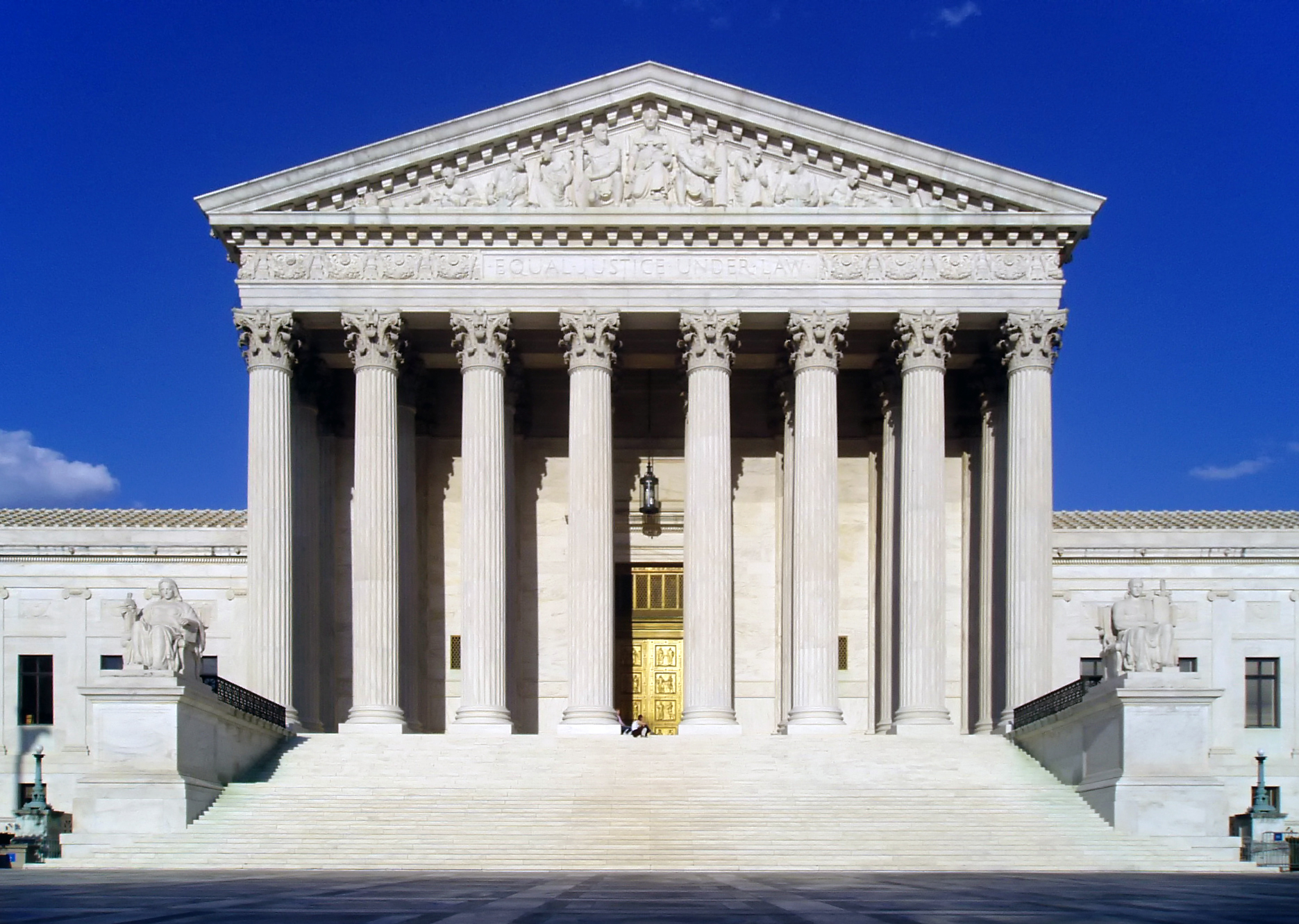
The Supreme Court on Tuesday cleared the way for the Trump administration to resume deporting immigrants to countries other than their own while litigation over the practice continues, granting an emergency stay that lifts, for now, lower-court orders requiring the government to give migrants advance notice and a chance to raise fear of persecution before such removals.
The unsigned order, issued in an application docketed as No. 26A406, came a day after the Justice Department filed its final reply defending the policy. Justices Sonia Sotomayor, Elena Kagan and Ketanji Brown Jackson noted they would have denied the stay, the docket shows, leaving the court's six Republican-appointed justices to grant it. The court simultaneously agreed to treat the dispute as a full appeal and set oral argument for December, meaning a definitive ruling on the legality of the practice is still months away.
A policy in and out of force for a year
The case, Department of Homeland Security v. D.V.D., traces back to a class-action complaint filed in March 2025 by four immigrants in the U.S. District Court for the District of Massachusetts. U.S. District Judge Brian Murphy initially blocked swift removals to third countries without notice, a ruling the Supreme Court itself stayed in June 2025 while the case proceeded. After further hearings, Murphy issued a final judgment in February 2026 again requiring the government to give migrants meaningful notice of a third-country destination and an opportunity to argue they would face torture or persecution there. The 1st U.S. Circuit Court of Appeals largely upheld that judgment on September 23, prompting Solicitor General D. John Sauer to ask the justices the next day to intervene a second time.
Lawyers for the migrants, led by Trina Realmuto of the National Immigration Litigation Alliance, filed their opposition on September 28, and two outside groups, America's Future and the Federation for American Immigration Reform, filed briefs backing the administration. The government's reply landed September 29, and the full court acted the same day.
Tens of thousands removed under the policy
The practice at issue affects a policy the Department of Homeland Security has used with growing frequency since early 2025. More than 21,000 people have been removed under third-country agreements with more than 30 nations since the start of the administration, according to an August tally by the Congressional Research Service's review of the removals, with Mexico receiving the largest number. Others have been sent to countries including:
- El Salvador, Guatemala, Costa Rica, Panama and Honduras in Central America
- Eswatini, Rwanda, South Sudan, Cameroon and the Democratic Republic of Congo in Africa
- Liberia, which agreed in August to accept up to 1,200 people removed from other countries
- Guyana, Paraguay, Poland and Uzbekistan
One deportation flight bound for three separate countries was grounded with roughly 70 people aboard after a lower court temporarily blocked it, according to reporting on the litigation cited in NBC News's account of the case. The administration has said the receiving governments provide diplomatic assurances that deportees will not be persecuted or tortured; migrants' lawyers say some detainees have ended up jailed in nations they had never set foot in before their removal.
Oversight demands and a divided reaction
The ruling's practical effect is immediate: people with final removal orders who have exhausted other options can again be sent to third countries under the accelerated procedures Judge Murphy had blocked. DHS General Counsel James Percival cast the outcome as vindication, telling reporters, according to Jurist's summary of the order, that it was "a bad day for criminal illegals and open borders activists alike," adding that it is "not too late to get $3,000 and a flight home."
"People facing removal to third countries are once again at immediate risk," said Trina Realmuto, the National Immigration Litigation Alliance attorney representing the migrant plaintiffs.
The stay also revives concerns Democratic lawmakers raised earlier this year. In April, Rep. Delia Ramirez and Sen. Elizabeth Warren led a group of colleagues in a letter pressing the inspectors general of the Homeland Security and State departments to investigate the third-country program, citing reports of arbitrary detention and inadequate safety screening in receiving countries. Their underlying letter to the watchdogs argued the government had built "an unlawful and costly system" that circumvented ordinary removal procedures. Neither inspector general's office has publicly announced findings.
Immigration attorneys, refugee organizations and some foreign governments have separately criticized individual removal agreements, arguing that receiving nations sometimes lack the capacity or willingness to protect people they did not agree to accept for humanitarian reasons. The administration counters that the agreements are lawful exercises of executive authority over removal destinations when a migrant's home country will not take them back.
What the December argument will decide
The justices will now consider two linked questions when they hear the case in December: whether immigration law and the Constitution require the government to give migrants a meaningful chance to object, on safety grounds, before removal to a country not named in their original order, and whether a single district court had the authority to impose a nationwide injunction governing how DHS conducts those removals. A ruling is not expected before next year, meaning the policy will likely remain in effect through the winter regardless of how the argument goes, as reported by NPR's coverage of Tuesday's order.
For now, immigration lawyers say they expect DHS to resume scheduling third-country flights quickly, restarting a process that had slowed since the First Circuit's ruling last week. Advocacy groups have said they will continue seeking individual emergency relief in lower courts for migrants facing imminent removal, even as the broader policy question awaits argument in Washington.
NBC News — Supreme Court allows Trump's third-country deportation policy
NPR — U.S. Supreme Court sides with Trump administration in third-country deportations
Jurist — Supreme Court allows Trump administration to resume third-country deportations
PBS NewsHour — Supreme Court lets Trump continue deporting people to 3rd countries

Judge permanently dismisses Reflecting Pool case against ex-Olympian, citing Trump pressure

Senate Republicans' data center electricity bill falls short in key vote

Senate confirms Keith Sonderling as labor secretary in party-line vote
