Apple Returns to New York to Launch Smart-Home Hub, New Apple TV and HomePod mini
The company used a Tribeca event space instead of its Cupertino campus to introduce Apple HomeView and a refreshed smart-home lineup aimed at Amazon's and Google's turf.

Apple introduced a new lineup of smart-home products on Tuesday at an event space in Manhattan's Tribeca neighborhood, breaking from its usual practice of unveiling hardware at its Cupertino, California campus. The centerpiece was Apple HomeView, a $299 tabletop display built around Siri AI, the company's newly rebuilt voice assistant, which Apple said in a press release announcing the device is designed to be shared by everyone in a household yet feel personal to each user, in the words of Greg Joswiak, the company's senior vice president of worldwide marketing.
HomeView uses facial recognition to identify as many as six household members and tailor its home screen, camera feeds and media recommendations to whoever is standing in front of it. The device can display up to nine camera feeds at once through a dedicated home-camera interface, and it routes sensitive camera and microphone processing through what Apple calls Secure Enclaves and Private Cloud Compute, the privacy architecture the company has built around its broader Apple Intelligence platform. A wall-mounted version will also be sold, alongside accessory wall mounts from Schneider Home priced from $59.95.
Apple also unveiled the fourth-generation Apple TV 4K, built around its new A19 chip, which the company says offers up to 50 percent faster processing and twice the graphics performance of the outgoing model, plus a dedicated decoder for the AV1 video format used by streaming services including YouTube. The device gains a conversational, full-screen version of Siri AI that can field follow-up questions about whatever a viewer is watching, according to Apple's announcement of the set-top box. It is priced at $299 and will reach stores on November 13.
Rounding out the lineup was a second-generation HomePod mini, built on Apple's S10 chip and priced at $149, with a new light-up "Sound Glow" feature that pulses along to music and a software update that will eventually bring Siri AI to the speaker, the company said in a separate press release. Two HomePod mini speakers paired with two compatible HomePod units can form a four-speaker surround system alongside the new Apple TV. Apple additionally introduced a Home Collection of accessories, including cameras and a video doorbell designed to work natively with the new hub.
The launch had been anticipated for days after Apple sent invitations under the tagline "Welcome home," prompting speculation from outlets including iPhone in Canada and a report from Macworld that the company was preparing to showcase smart-home hardware outside its usual Cupertino venue. The event marks Apple's most significant push into the smart-home category since the original HomePod's debut nearly a decade ago, a category long dominated by Amazon's Echo and Google's Nest devices.
Siri AI, the conversational assistant underpinning the new devices, is rolling out first in English in the United States, Australia, Canada, India, New Zealand, Singapore, South Africa and the United Kingdom. Apple said the feature will not be available at launch in the European Union, citing regulatory requirements tied to the bloc's digital competition rules. Pre-orders for all three devices opened Tuesday, with HomeView and the new Apple TV reaching stores on November 13 and HomePod mini 2 arriving October 30, giving Apple a coordinated smart-home push heading into the holiday shopping season.
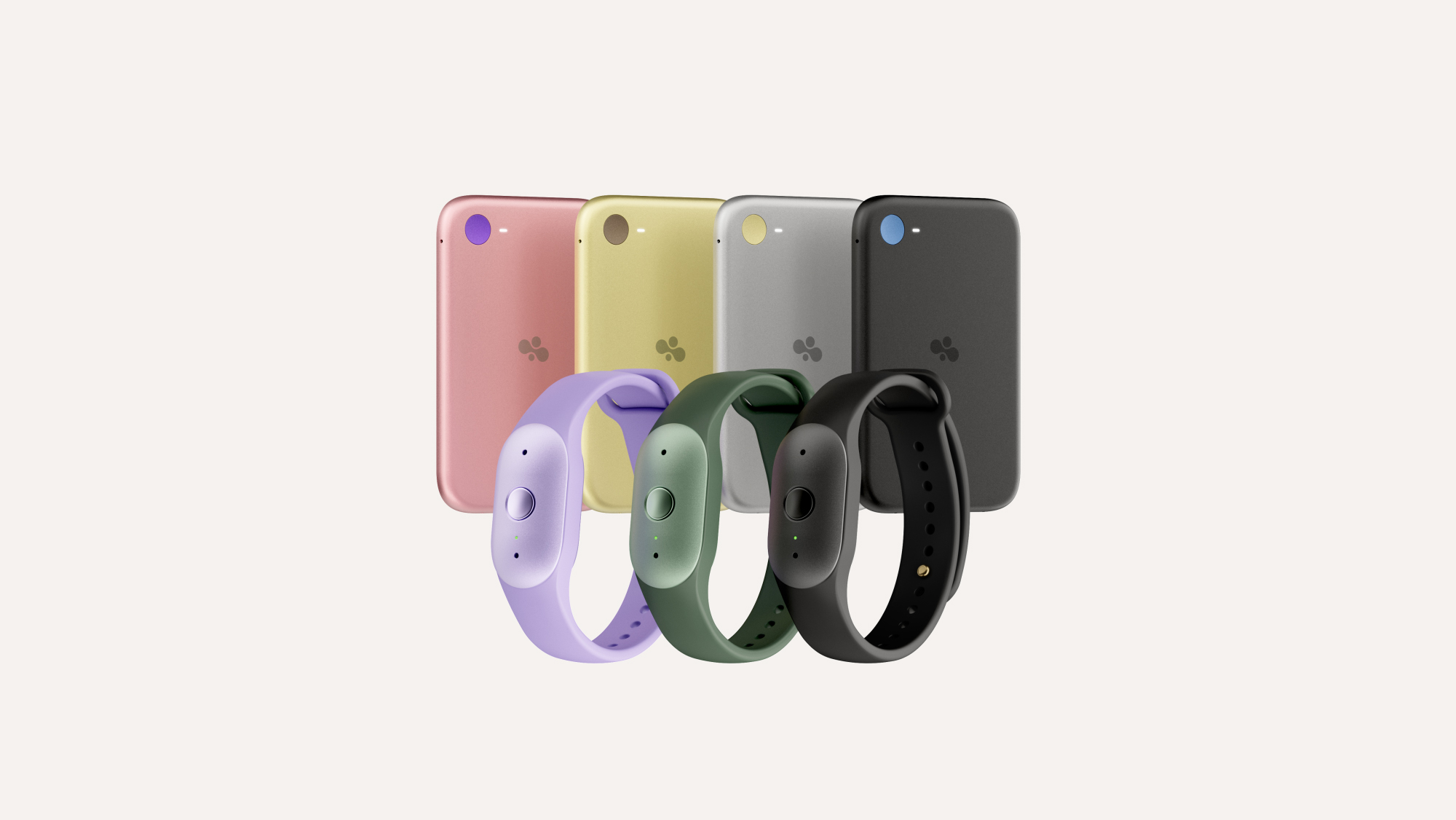
Amazon's Bee unveils two AI wearables that turn conversations into to-do lists

Flock Safety's CEO Defends Surveillance Cameras — and Contradicts His Own Website — at TechCrunch Disrupt

Microsoft patches record 1,413 flaws as one Windows bug is already under attack
