Microsoft Rebuilds Copilot as a Unified "Super App" for Business Customers
The redesign folds chat, code generation and autonomous agents into one interface as Microsoft, fresh off crossing 30 million paid Copilot seats, races OpenAI, Google and Anthropic for corporate AI spending.

Microsoft has rebuilt Copilot, its flagship artificial intelligence product, into a single "super app" that fuses chat, software coding tools and autonomous digital agents into one interface aimed squarely at corporate customers. The company laid out the redesign in a post on its official blog published Friday, describing three pillars called Home, Code and Autopilot that Microsoft says will let workers move between conversation, document creation and unattended task execution without switching applications.
The overhaul is the clearest sign yet that Microsoft intends to compete for enterprise AI spending not by building a better chatbot but by folding artificial intelligence into the fabric of everyday office software that hundreds of millions of employees already use. Home combines the existing Chat and Cowork features and embeds working versions of Word, Excel and PowerPoint directly inside the app, so a document can be drafted and edited without leaving the Copilot window. Code, built on the same underlying technology as the consumer-facing Copilot product shares with GitHub's coding tools, lets non-programmers describe a dashboard, tracker or internal workflow in plain language and have the software generate it inside a sandboxed environment. Autopilot, previously tested under the codename Scout, is pitched as a persistent digital teammate with its own name, memory and assigned role that keeps working on recurring tasks, follows up on conversations in Teams and Outlook, and can be summoned by an @-mention inside a document.
The numbers behind the push
Microsoft's confidence in the redesign rests on figures the company has been citing since its most recent quarterly results. In its fourth-quarter earnings release for the fiscal year ended June 30, covering results reported in late July, Microsoft said Microsoft 365 Copilot had surpassed 30 million paid seats, with net seat additions roughly doubling from the prior quarter. That growth came alongside revenue of $90 billion for the quarter, up 18 percent year over year, and Azure cloud revenue that crossed $100 billion for the first time. A regulatory filing accompanying the results, an exhibit lodged with the Securities and Exchange Commission, shows the quarter also included a $3.2 billion accounting gain tied to Microsoft's investment in Anthropic, the AI lab whose Claude models compete directly with the technology underpinning Copilot.
- 30 million-plus paid Microsoft 365 Copilot seats, out of roughly 450 million commercial Microsoft 365 seats in total
- Quarterly revenue of $90.0 billion, up 18 percent year over year, with net income of $35.8 billion
- Azure and other cloud revenue up 43 percent, pushing Azure past $100 billion in annual revenue for the first time
- An estimated 38.5 million monthly users for the standalone consumer Copilot app, against roughly 1 billion for OpenAI's ChatGPT
Those figures explain both the ambition and the pressure behind Friday's announcement. Copilot's paid-seat count, while growing quickly, still reaches a small fraction of the commercial customer base Microsoft already has inside Word, Excel, Teams and Outlook, and the standalone consumer app trails ChatGPT by a wide margin. Consolidating scattered features into one product is, in part, an attempt to close that gap by making the AI harder to avoid for anyone already logged into Microsoft's software.
From chatbot to enterprise infrastructure
The redesign caps more than a year of incremental changes to Copilot's branding and structure. Microsoft has repeatedly renamed and repositioned the product since introducing it in 2023, folding in features such as Cowork, a task-delegation tool, and experimenting with consumer additions including Copilot Podcasts, a group chat mode and an animated assistant called Mico, several of which the company has since scaled back or retired as it shifted emphasis toward business customers. Friday's launch also introduces infrastructure pieces aimed at information-technology departments rather than end users: a Copilot Managed Runtime for hosting agents, a cost-tracking system called FinOps for AI, and a new pricing structure that separates standard subscription licenses for everyday chat use from usage-based billing for agents and code generation, which can consume far more computing power per task.
The timing places Microsoft in the middle of an unusually crowded few weeks in enterprise AI, with OpenAI, Google and Anthropic all pushing rival products and pricing at competitors, some of them Microsoft's own partners and investments simultaneously. Microsoft holds a substantial stake in OpenAI and, as the SEC filing shows, has also taken a position in Anthropic, giving it a financial interest in two of the companies whose models it is trying to out-flank commercially with its own branded product.
Governance questions follow the rollout
Enterprise technology buyers and industry analysts have greeted the redesign with a mixture of interest and caution, according to reporting from trade publications that cover corporate IT purchasing decisions. Reviewers writing for a trade publication that covers enterprise technology quoted several independent analysts describing the consolidation as a meaningful shift in what businesses can expect from workplace AI, while flagging that folding chat, code generation and autonomous agents into a single product raises new questions about identity management, permissions and oversight that chief information officers have not fully resolved.
"The practical shift is from AI that knows information to AI that can connect what happened, why it happened and what needs to happen next," said Abhishek Satapathy, an analyst at the consultancy Avasant.
That optimism is tempered by adoption data that the research firm Forrester has published in its own analysis of enterprise Copilot use, which describes a far more measured pace of deployment inside large organizations than the volume of AI infrastructure investment might suggest. Corporate technology departments, the firm's researchers wrote, have approached agentic features with more discipline and more conditions attached than the broader industry narrative around AI spending implies, a pattern echoed by separate survey findings showing that a large share of IT leaders remain unconvinced they can adequately manage the security and access risks that come with letting software agents act on their behalf inside company systems.
What happens next
Microsoft is staggering the rollout rather than flipping a single switch. Home and Code are being released first to participants in the company's Frontier early-access program over the coming weeks, with Autopilot expanding into private preview at the end of September. A further feature called Today, meant to merge a worker's email, calendar and task list into one view, is not expected to reach even a private preview until October. Microsoft has said it will provide a fuller account of adoption and technical detail at its Ignite conference, scheduled for mid-November in San Francisco and online, where the company traditionally updates enterprise customers on its cloud and AI roadmap.
For now, the practical effect for most Microsoft 365 customers is limited: the redesigned interface has not yet reached general availability, and existing Copilot subscribers will continue using current versions of Chat and Cowork until their organizations are admitted to the early-access rollout. The larger test, according to the analysts tracking the launch, will be whether businesses that have so far moved cautiously on agentic AI are willing to extend the access and oversight that Autopilot in particular requires, and whether Microsoft's bet on convenience and consolidation proves more persuasive to corporate buyers than the raw model performance claims driving much of the competition from OpenAI, Google and Anthropic.
Microsoft, "Introducing the new Copilot with Home, Code and Autopilot," official Microsoft Blog, Sept. 25, 2026.
Microsoft Corp., Fiscal Year 2026 Fourth Quarter earnings release and SEC Form 8-K exhibit, filed July 29, 2026.
Computerworld, "Microsoft's new Copilot unifies enterprise context for chat and code," Sept. 2026.
Forrester, "The Copilot Reality Check: What Enterprise Adoption Data Reveals About the AI Boom."

Quantum Computing Startup Infleqtion Hits Milestone With 30 Entangled Logical Qubits
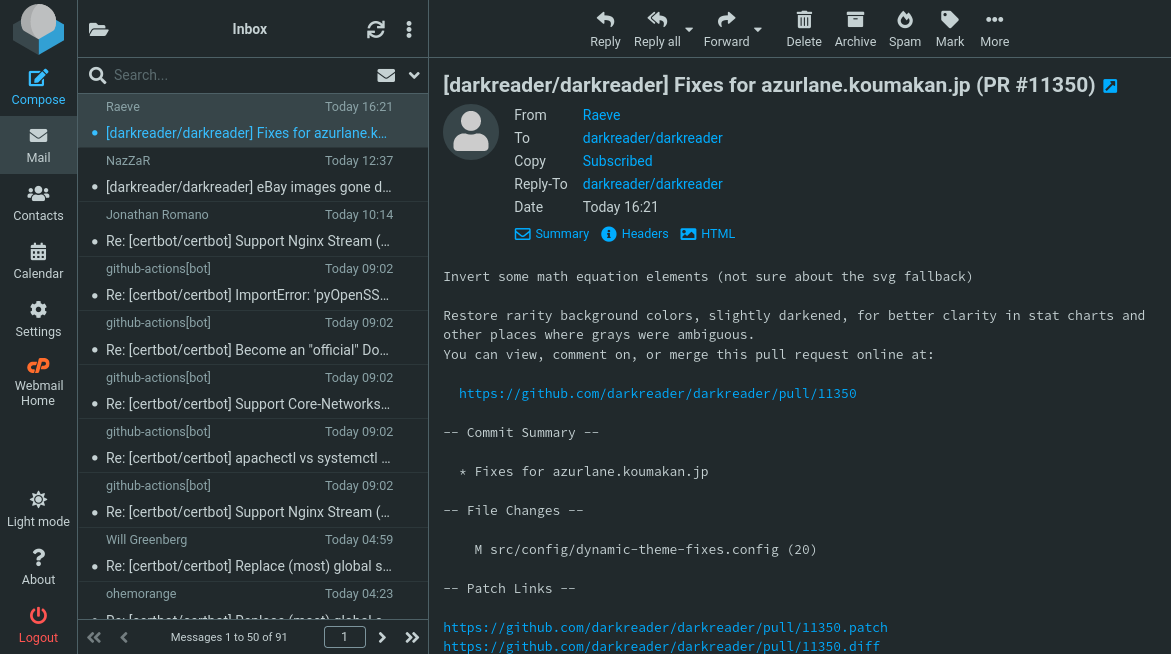
Canada Warns Hackers Are Actively Exploiting a Roundcube Webmail Flaw Patched Months Ago

Bitget hack exposes $351 million to suspected North Korean hackers, largest crypto theft of 2026
