Jury convicts 'Keffe D' Davis of orchestrating Tupac Shakur's 1996 murder
A Las Vegas jury took less than three hours to convict Duane "Keffe D" Davis of first-degree murder in the 1996 drive-by killing of Tupac Shakur, closing out a 27-year-old cold case built largely on the defendant's own memoir and interviews.
Nearly thirty years after Tupac Shakur was shot on a stretch of the Las Vegas Strip, a jury convicted the man prosecutors say ordered the killing, closing out one of the most enduring unsolved cases in American music history.
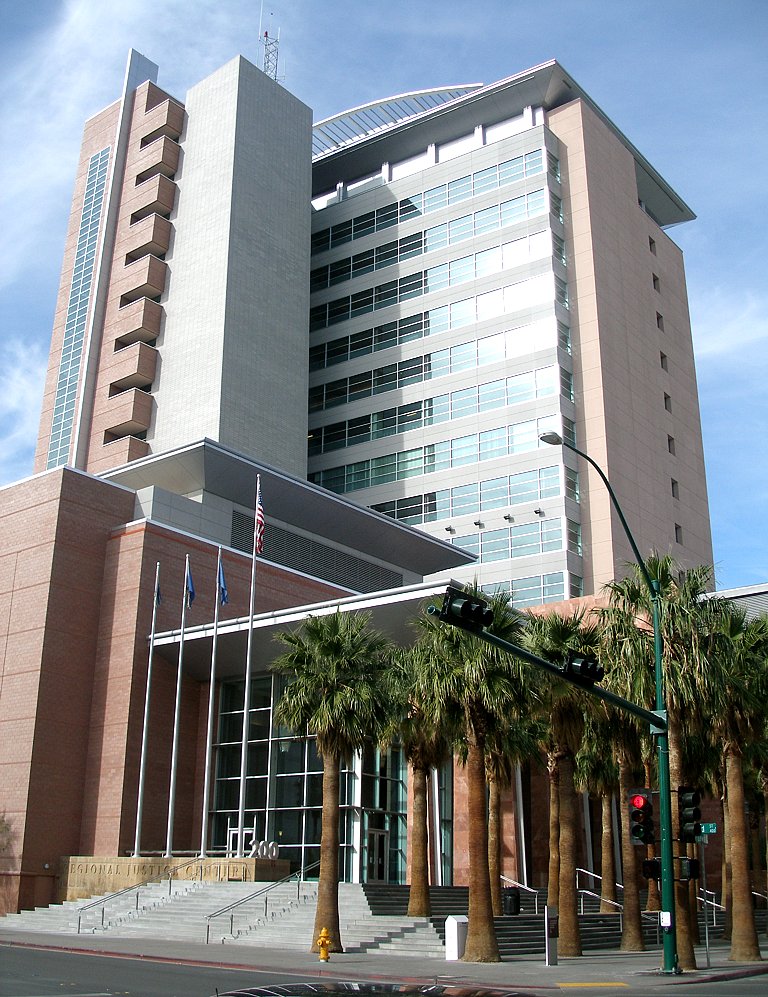
Duane "Keffe D" Davis, 63, a former Southside Compton Crips leader, was found guilty of first-degree murder with the use of a deadly weapon on Monday, following a week-long trial in the Eighth Judicial District Court in Las Vegas. Jurors deliberated for less than three hours after hearing nine days of testimony. District Judge Carli Kierny ordered Davis held without bail and scheduled sentencing for October 13, when he faces a maximum of life in prison without the possibility of parole.
The verdict
Shakur, 25, was riding in a BMW driven by Death Row Records founder Marion "Suge" Knight when a white Cadillac pulled alongside at a red light near Flamingo Road and Koval Lane, a block off the Strip, on September 7, 1996. Gunfire erupted from the Cadillac's back seat, striking Shakur multiple times. He died six days later at University Medical Center. No one was arrested for the shooting for 27 years.
Prosecutors Marc DiGiacomo and Binu Palal told jurors that Davis, as the ranking gang member in the car, handed the murder weapon to a passenger in the back seat — widely believed to be his nephew, Orlando "Baby Lane" Anderson, who was killed in an unrelated shooting in 1998 and was never charged. The night of the killing, Anderson had been assaulted by Shakur's entourage inside the MGM Grand, and prosecutors argued the drive-by was retaliation. Shortly before the verdict, prosecutors told the court they would drop a separate gang sentencing enhancement they had sought, citing difficulty producing an out-of-state witness, though the underlying murder count still went to the jury framed around Davis's role directing a gang killing. The trial drew 24 prosecution witnesses against three called by the defense, according to court proceedings described by CBS News.
How the case came together
The prosecution leaned heavily on Davis's own words. In a 2019 memoir, "Compton Street Legend," and in recorded interviews he gave afterward, Davis described being present for the shooting and named Anderson as the gunman — details a Clark County grand jury later cited when it indicted him on murder charges in September 2023. Police had interviewed Davis multiple times over the years, including sessions in 2009 in which he offered similar accounts, but he had long maintained those statements could not be used against him because he believed he had been granted immunity by federal and local investigators.
That argument failed. The trial court rejected Davis's immunity claim, and the Nevada Supreme Court's public case index shows the justices likewise denied his petition to block the prosecution in an order filed November 4, 2025, finding his statements were not shielded and that the decades-long delay in charging him was not deliberate misconduct by the state. Details of that appellate fight, along with the underlying trial docket, are available through the Nevada Appellate Courts' decision archive and the Eighth Judicial District Court's case and calendar inquiry system, both of which list the matter under case number C-23-377407-1. Davis was formally arrested by Las Vegas Metropolitan Police detectives in September 2023 after a search of his Henderson home the previous July turned up material investigators said corroborated his account. Court records reviewed by the Las Vegas Review-Journal trace the case from Shakur's death through Davis's decades of public statements to his arrest and indictment.
Who is affected
The verdict closes a chapter that has shadowed Shakur's family, former Death Row associates and hip-hop fans for nearly three decades, during which the killing spawned conspiracy theories, unauthorized books and repeated promises from investigators that an arrest was imminent. Shakur's sister, Sekyiwa "Set" Shakur, was in the courtroom and wept when the verdict was read. Knight, who was wounded in the same shooting and has since served time in prison on an unrelated murder conviction, was not called to testify at this trial. For the Las Vegas Metropolitan Police Department's cold case unit, the conviction stands as a rare resolution of a killing that had gone unsolved for longer than Shakur had been alive at the time of his death.
Prosecutors leaned on Davis's own scrapbooking of news coverage about the killing to undercut his defense that he had merely embellished a story for book sales.
"This guy's scrapbooking his murder, for God's sake," prosecutor Marc DiGiacomo told jurors in closing arguments, according to NBC News.
Defense attorney Michael Sanft argued the state's case rested on unreliable, decades-old statements rather than physical evidence placing Davis at the scene. "They have nothing in this case that says that man was here in Las Vegas on Sept. 7, 1996," Sanft told jurors. Chief Deputy District Attorney Binu Palal countered in rebuttal that the passage of time had not changed what investigators found: "The core facts remain. The material facts remain." Davis told Judge Kierny after the verdict that he intends to appeal; she responded that any appeal would have to wait until after sentencing.
What happens next
Davis remains in Clark County custody without bail ahead of his October 13 sentencing before Judge Kierny, where he faces up to life in prison without parole. He has told the court he intends to appeal, a process that under Nevada procedure cannot formally begin until after sentencing, and his defense is expected to again challenge the admission of his memoir as evidence and revisit the corpus delicti argument the state's high court rejected last year. Prosecutors have signaled they consider the case closed with Davis's conviction; no other suspects have been charged in Shakur's death, and Anderson, the man prosecutors identified as the shooter, died in 1998 without ever facing charges.

Judge dismisses child sex abuse indictment against actor Timothy Busfield, citing prosecutorial misconduct
Nine Fired FBI Agents Sue Patel Over Purge Tied to Trump Documents Case
Man Found in Barrel at Lake Mead in 2022 Identified as Arkansas Native Shot Decades Ago
