RSF-allied forces kill at least 26 in Sudan's Nuba Mountains days after UN warns foreign networks are fueling the war
A South Kordofan ceasefire collapsed within days as Sudan People's Liberation Movement-North fighters allied with the Rapid Support Forces killed dozens in attacks on Nuba Mountains villages, just after UN investigators detailed how foreign recruits, weapons brokers and mercenaries are sustaining Sudan's civil war.

A ceasefire in one of the most volatile corners of Sudan's civil war collapsed within days last week, after fighters allied with the paramilitary Rapid Support Forces killed at least 26 people in two separate attacks on the Nuba Mountains region of South Kordofan state. The killings came just 48 hours after United Nations investigators published a report documenting how foreign recruiters, weapons brokers and mercenaries — from Colombia to the Gulf — are sustaining both sides of a war that has already displaced roughly 12 million people.
On the afternoon of September 4, forces of the Sudan People's Liberation Movement-North, led by Abdelaziz al-Hilu, attacked the villages of Debi and Luwairi near the town of Kauda, killing more than 21 people, including women and children, according to the Sudan Doctors Network, a medical monitoring group. A medical facility in Debi reported receiving more than 20 bodies and 11 wounded. The following day, SPLM-N artillery struck residential neighborhoods in Dilling, the South Kordofan state capital, killing at least five more people, among them a child.
Both attacks targeted the Otoro, a minority ethnic group indigenous to the Nuba Mountains, and follow a separate wave of assaults on at least ten Otoro villages between August 20 and 26 that had already displaced thousands of civilians. The Sudan Doctors Network said the bombardment of civilian neighborhoods was "a clear violation of international humanitarian law" and called on the international community to press SPLM-N's leadership to halt the campaign. SPLM-N has not publicly responded to the allegations.
A ceasefire that never held
The attacks came despite a ceasefire initiative in South Kordofan announced last month by the RSF, which SPLM-N is formally allied with — a pairing that has reshaped the balance of Sudan's war. Al-Hilu's movement, historically a Nuba Mountains insurgency dating back decades, joined the RSF-led Sudan Founding Alliance in February 2025 and now serves as the backbone of a self-declared rival administration: a 31-member "Government of Peace and Unity" in which RSF commander Mohamed Hamdan Dagalo, widely known as Hemedti, holds the presidency and al-Hilu serves as vice president.
That parallel government controls large stretches of Darfur and southern Kordofan, deepening fears of a de facto partition of the country more than three years into a war that began in April 2023 between the Sudanese Armed Forces and the RSF. South Kordofan sits just south of El Obeid, the North Kordofan capital that has spent months under RSF siege — where the UN's human rights office has separately warned of "relentless" drone strikes on civilian infrastructure and cautioned that a city of roughly half a million people could face a repeat of the mass killings documented in El Fasher, Darfur, last year.
The numbers
- At least 26 people killed and dozens injured in the two South Kordofan attacks on September 4 and 5
- At least 10 Otoro villages attacked between August 20 and 26, displacing thousands
- Roughly 12 million people displaced nationwide since April 2023, among them more than 4 million who have fled into neighboring countries
- Up to 2,000 foreign contractors, including former Colombian soldiers, identified by UN investigators as operating drones and heavy weapons alongside the RSF in Darfur and Kordofan
- A single RSF drone strike investigators documented in Kalogi, South Kordofan, is reported to have killed 114 people
Foreign networks fueling the fight
The South Kordofan killings landed just as the UN's Independent International Fact-Finding Mission for the Sudan published a report tracing what it called "a transnational chain of networks spanning several countries" that recruits, trains and deploys foreign fighters and supplies weapons to Sudan's warring parties. Investigators said recruitment networks based in Colombia and the United Arab Emirates funneled contractors and equipment through transit points in Chad, southeastern Libya and Bosaso, Somalia, and documented foreign nationals from South Sudan, Chad and Ethiopia fighting on Sudan's front lines. The report found that the Sudanese Armed Forces have separately received foreign-supplied drone technology that has expanded strikes far behind the front lines, including a raid that investigators said killed at least 70 people and destroyed a hospital in Ad-Da'ein, East Darfur.
"The consequences of this external support are being felt most acutely by civilians," Mohamad Chande Othman, the Fact-Finding Mission's chair, said in presenting the findings.
Mission investigator Mona Rishmawi said the networks have made both sides' operations markedly more lethal, and the mission's report — titled "Fuelling Sudan's conflict: weapons, fighters and external support networks" — called on UN member states to strictly enforce the existing arms embargo on Darfur, investigate individuals and companies involved in the supply chains, and halt transfers where there is a substantial risk they will be used in serious rights violations.
Who is caught in the middle
The immediate victims are Nuba villagers with little connection to the geopolitics driving the war: subsistence farmers in the Otoro hills, families in Dilling's residential quarters, and the tens of thousands who have fled the August offensive into makeshift displacement sites with little food, water or medical care. More broadly, the UN estimates close to 25 million people across Sudan — roughly half the country's population — face acute hunger, with pockets of North Darfur and Kordofan already in famine or at imminent risk of it. Foreign nationals are entangled too: the fact-finding mission's findings implicate recruitment pipelines running through at least six countries, turning a domestic power struggle into a conflict with a genuinely international supply chain.
What happens next
The UN Security Council faces its own deadline this week: the sanctions regime on Sudan, including an arms embargo, asset freezes and travel bans tied to the conflict, is due to expire on September 12 unless the Council votes to extend it, according to the Security Council's own 1591 Sudan Sanctions Committee mandate. Sudan analysts expect the 15-member Council to renew the measures again, but rights groups and the fact-finding mission are pressing members to widen its scope and finally enforce the embargo against the networks named in this month's report — an embargo that, as written, formally covers only Darfur, not South Kordofan or the rest of the country.
On the ground, there is little sign the SPLM-N offensive against Otoro communities has paused, and aid workers say access to Debi, Luwairi and surrounding villages remains severely restricted. Sudan Doctors Network and other local monitors are continuing to document casualties as families search for missing relatives, while diplomats warn that without a credible, enforced ceasefire — and real consequences for the external actors identified in the UN's report — South Kordofan risks following the same trajectory that turned El Fasher into one of the deadliest chapters of Sudan's war.

Bangladesh's measles toll nears 1,000 child deaths as outbreak outpaces vaccine drive

Delhi building collapse death toll rises to six as search continues
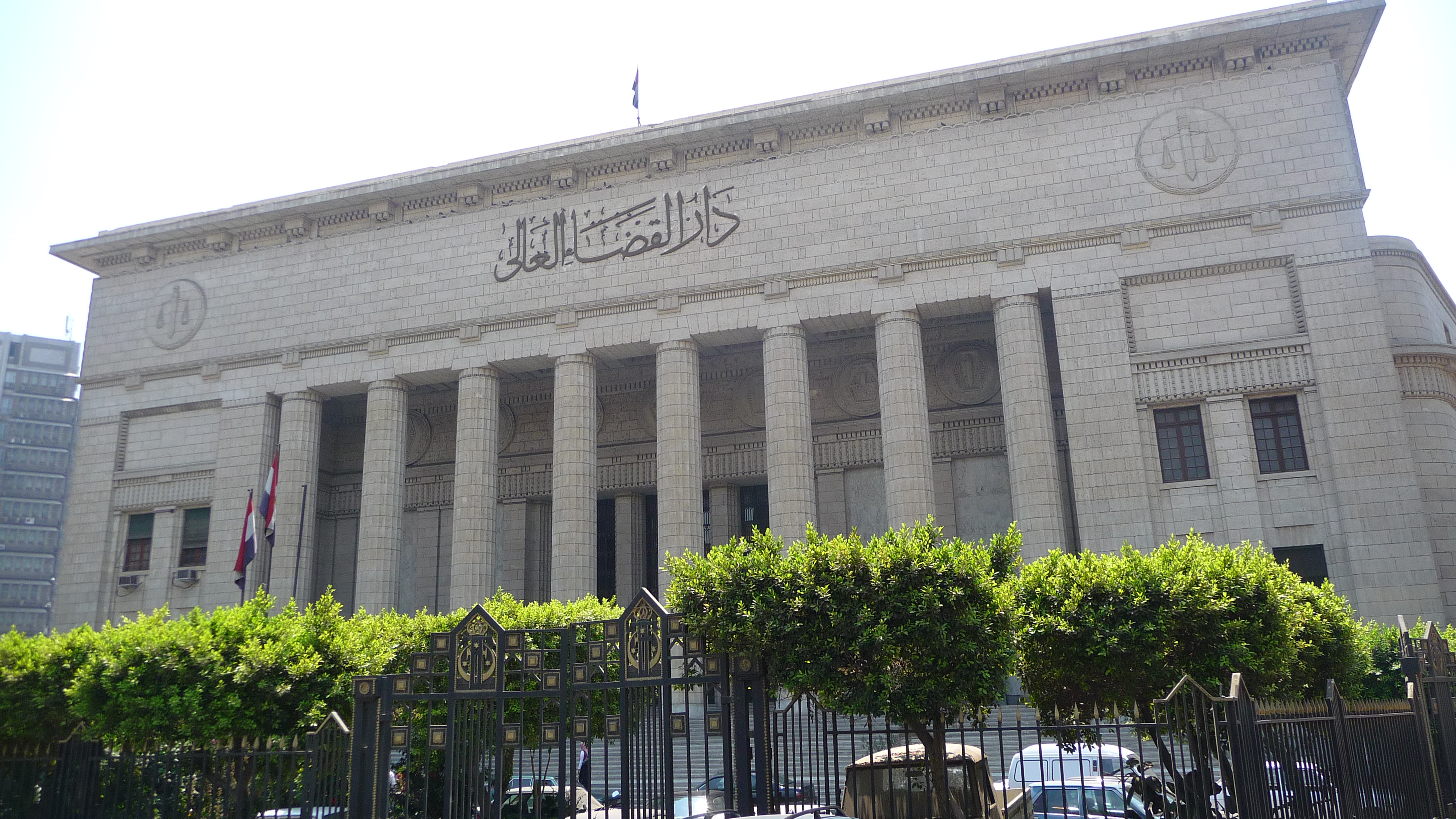
Cairo court sentences Egyptian TV presenter Sarah Khalifa to death in drug trafficking case
