South Sudan's first elections since independence loom over a collapsing peace deal
With a vote set for 22 December, the UN Security Council heard warnings that South Sudan's first elections since independence are approaching amid a dissolved government, renewed fighting and near-famine conditions for millions.

The UN Security Council was warned this week that South Sudan's first national elections since it won independence in 2011 are approaching amid a dissolved government, renewed fighting in the northeast and food shortages affecting most of the population. Diplomats meeting in New York heard that the vote, scheduled for 22 December, is now six weeks away, even as the political arrangement meant to prepare for it has collapsed.
A countdown shadowed by violence and hunger
According to a UN News account of the briefing, fresh clashes in Upper Nile state have displaced more than 35,000 people in recent weeks, adding to a toll that had already climbed sharply earlier in the year. The UN mission in the country, UNMISS, reported in an August briefing to the Council that more than 420,000 people were displaced nationwide between January and June, most of them in Jonglei state, and that three peacekeepers were killed in an ambush there that same month.
The humanitarian picture is similarly strained. A joint assessment by the UN Children's Fund, the World Food Programme and the Food and Agriculture Organization found in the spring that 7.8 million people — about 56 percent of South Sudan's population — face high levels of acute food insecurity. Within that total, roughly 2.5 million people were classified as facing emergency-level hunger and 73,300 as facing catastrophe, the most severe category on the international hunger scale, a figure UNICEF said had risen 160 percent over the previous assessment.
- 22 December: date set for South Sudan's first elections since 2011 independence
- 35,000+: people newly displaced by clashes in Upper Nile state
- 7.8 million: people facing high acute food insecurity, more than half the population
- 73,300: people in the most severe hunger category, "catastrophe"
A transitional government dissolved by decree
The political backdrop to the vote has grown more unsettled, not less. President Salva Kiir dissolved South Sudan's transitional government in September and removed all of the country's vice-presidents, including First Vice President Riek Machar, who has been held in detention since early 2025 after the government accused him of orchestrating an armed attack on an army garrison in the northeast. Machar has not been released, and the body that monitors implementation of the 2018 peace agreement, the Reconstituted Joint Monitoring and Evaluation Commission, has repeatedly urged the government to free him and other detained political figures before the vote.
That commission, known as RJMEC, told the Security Council in an earlier briefing that lawmakers had also stripped out two requirements that were originally written into the peace agreement as preconditions for elections: completion of a permanent constitution and a national census. RJMEC said the changes had not followed the accord's own procedures for amendment, a process Radio Tamazuj reported was pushed through over the objections of opposition parties.
"Critical prerequisites for the conduct of credible, peaceful and inclusive elections remain unmet," George Aggrey Owinow, RJMEC's interim chairperson, told the Council.
Among the gaps Owinow and other officials have flagged: the unification of rival forces under the peace agreement remains incomplete, electoral funding is inadequate, and women hold fewer seats than the 35 percent quota the agreement guarantees them. The Political Parties Council registered 39 parties ahead of a June 30 deadline, one of the few benchmarks met on schedule.
Civilians absorbing the cost
UN officials say ordinary South Sudanese are bearing the consequences of both the fighting and the political drift. Clashes between government forces and opposition fighters have continued in Jonglei, Unity and Upper Nile states, and communal violence persists in Warrap and Lakes states. UNMISS reported that 36 aid workers were killed and 391 security incidents affecting humanitarian access were recorded in the first seven months of the year, a steep increase over the same period in 2025. The mission said it had been forced to cut its own operational capacity by roughly a quarter to a third because of contingency planning, shifting toward more mobile, preventive patrols rather than static deployments. South Sudan is also sheltering about 1.4 million people who have fled the war in neighboring Sudan, even as it struggles to protect and feed its own population.
A mission under new leadership, and watching diplomats
This week's session was among the first full briefings on South Sudan's election track since the Security Council's programme of work for November listed the country as a priority item, with Anita Kiki Gbeho, the UN's Special Representative for South Sudan and head of UNMISS since April, among the briefers. Gbeho took over the post after the death of her predecessor, Nicholas Haysom, and has called repeatedly for unified international backing for the peace process, an immediate ceasefire and more inclusive dialogue among South Sudan's rival factions. Jakaya Kikwete, the African Union's High Representative for the Horn of Africa and the Red Sea and a former president of Tanzania, briefed Council members by video link on the state of regional mediation efforts.
Council members have previously pressed, without success, for Machar's release, and have echoed African Union calls for an inclusive process that does not simply ratify Kiir's hold on power. The government maintains that preparations remain on course and that the 22 December date will be kept regardless of the unresolved disputes over the constitution, the census and the makeup of the caretaker administration that replaced the transitional government in September.
What comes next
With roughly six weeks remaining, the immediate questions are whether the National Elections Commission can complete voter education and logistics in areas still affected by fighting, whether security forces from rival camps can be unified or at least kept separated from polling operations, and whether Machar and other detained opposition figures are released before ballots are cast. RJMEC and UNMISS have both urged the Council to back the African Union's "C5" roadmap for inclusive dialogue as a way of salvaging some credibility for the vote, even as officials privately acknowledge that the conditions originally envisioned under the 2018 peace agreement are unlikely to be met in full. Diplomats expect the Council to revisit South Sudan again before polling day, with the mission's mandate and troop levels likely to face renewed scrutiny as the country's first post-independence election approaches under conditions few UN officials describe as ready.

Paraguay's Senate scrambles to pay thousands of workers as bank collapse topples a president
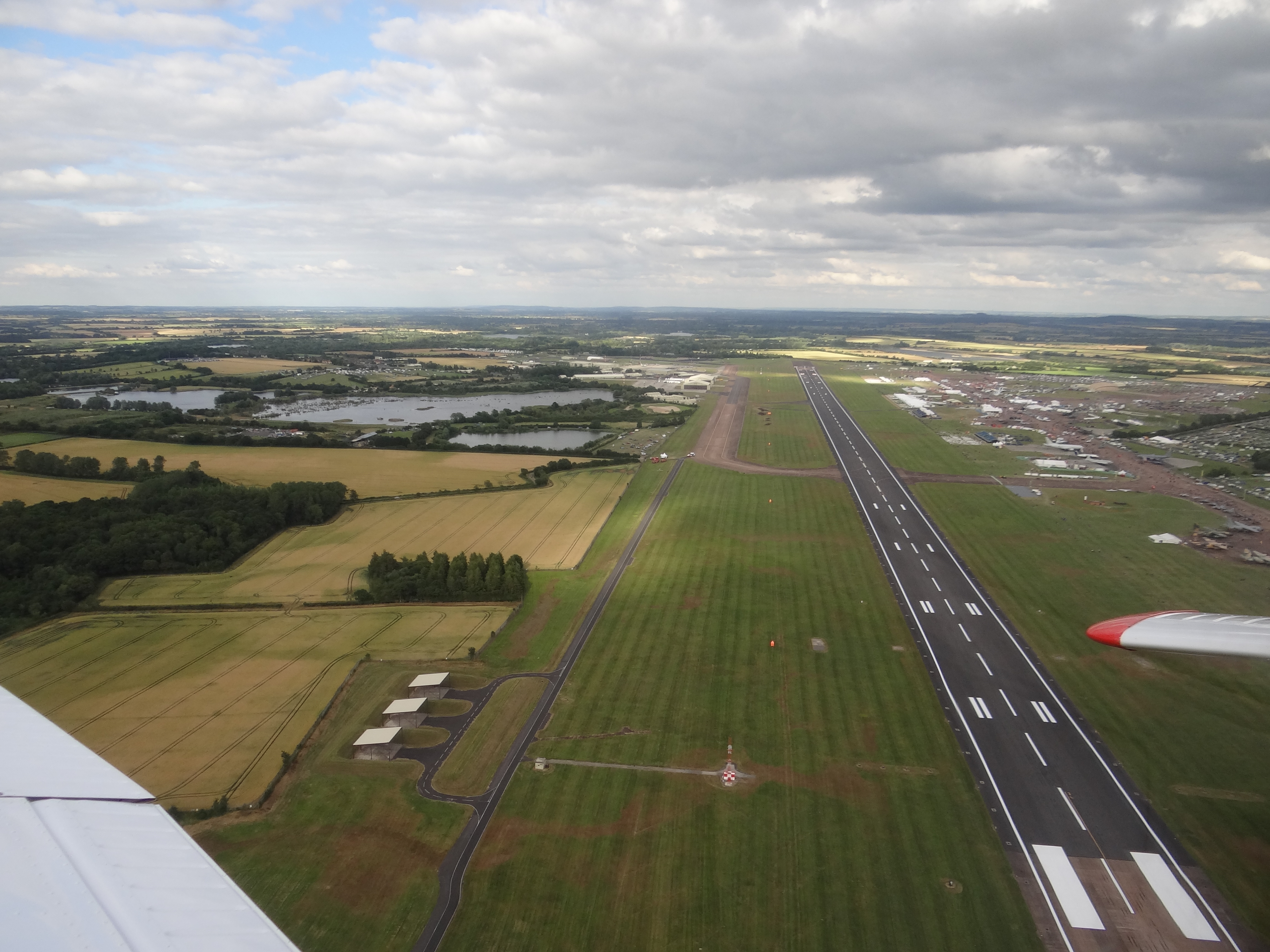
Two Londoners charged in alleged Iran-directed plot against US bomber base in England
