Trump administration weighs lifting US sanctions on Putin-linked investment fund
The Treasury Department is reviewing a delisting request from the Russian Direct Investment Fund, once branded a Kremlin "slush fund," as its chief pushes deeper into US-Russia energy and peace talks.
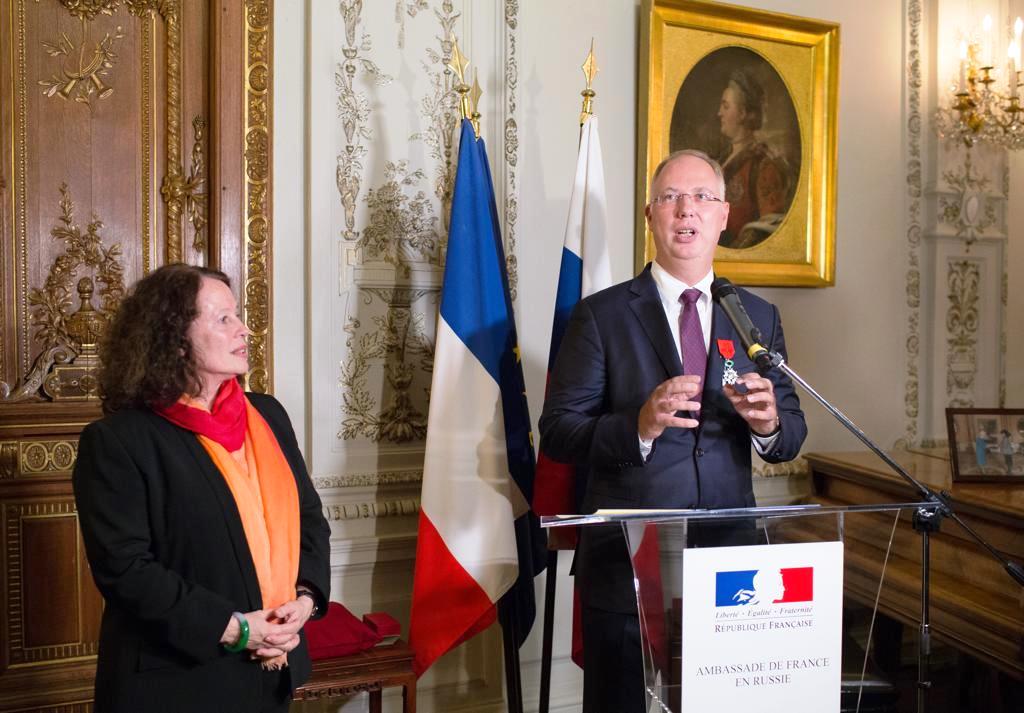
The Trump administration is weighing whether to lift United States sanctions on the Russian Direct Investment Fund, the Kremlin-controlled wealth fund that Washington once branded "a slush fund for President Vladimir Putin," according to the New York Times, which cited people familiar with the discussions. The newspaper's report, published Tuesday, was independently corroborated by multiple outlets, including a Treasury official who confirmed to the paper that the fund's delisting application is under formal review.
The fund, known by its Russian initials RDIF, is run by Kirill Dmitriev, who has emerged over the past year as Moscow's principal economic interlocutor with the Trump administration's Russia team, working alongside envoys Steve Witkoff and Jared Kushner. A U.S. official told the Times the Treasury review was part of an effort to "improve U.S.-Russia relations and help end the war," and described Dmitriev as "a helpful envoy." No final decision has been reported.
What is being proposed
According to the Times' sourcing, Russian officials raised the delisting request in the course of talks over RDIF's potential role as an intermediary for payments tied to Russian diesel exports to the United States. Under standard Treasury procedure, a sanctioned entity seeking removal from the Specially Designated Nationals list must demonstrate that the circumstances justifying its original designation no longer apply.
RDIF and Dmitriev were added to that list on February 28, 2022, four days after Russia's full-scale invasion of Ukraine. The Treasury statement announcing the designation described RDIF as "widely considered a slush fund for President Vladimir Putin" and "emblematic of Russia's broader kleptocracy," and said the fund and its management companies were being blocked under Executive Order 14024 for acting on behalf of the Russian government.
The diesel connection
The sanctions review follows a narrower but concrete policy shift earlier this month. On October 9, the Treasury Department's Office of Foreign Assets Control issued General License 135, authorizing the sale, delivery and importation of Russian-origin diesel fuel into the United States through April 7, 2027, following an agreement Trump reached with Putin to ease fuel costs. Deputy Prime Minister Alexander Novak said on October 23 that RDIF had provided significant support in arranging the resulting tanker shipments.
Dmitriev's role in the broader relationship was made explicit on October 21, when Witkoff met him in St. Petersburg and told him, according to Kyiv Post's account of the meeting: "Our Treasury Department is working with you now independently." The U.S. Trade Representative's figures, cited in that report, show American goods trade with Russia totaling about $4.4 billion in 2025, down from roughly $36 billion in 2021 — a gap the diesel arrangement and any further sanctions relief would begin to narrow.
"Our Treasury Department is working with you now independently." — Steve Witkoff, to Kirill Dmitriev, October 21, 2026
A reversal of sanctions pressure
The diesel license itself represented a departure from recent legislative intent. On September 18, Trump signed the Lindsey O. Graham Sanctioning Russia and Iran Act of 2026, which passed the Senate 86-11 and authorized tariffs of up to 100 percent on the largest purchasers of Russian oil and gas. Within a month, the administration issued a waiver covering much of the act's sanctions and tariff authority, which it said served the "national interests of the United States."
Eric Green, who served as the National Security Council's senior Russia director under the Biden administration, told the Times that lifting sanctions on RDIF specifically would send "a real strong message" that Washington is relaxing the economic-pressure posture it has maintained since the invasion. Critics of the move argue it would weaken Ukraine's position in ongoing settlement talks by removing one of the few remaining points of leverage tied directly to the Kremlin's own investment arm.
Who is affected
- Ukraine's negotiating position in the peace talks, which the Times describes as making little concrete progress, could be affected if a major Kremlin-linked entity is unblocked while the war continues.
- U.S. refiners and fuel buyers already operating under General License 135 would gain a more direct institutional channel for Russian-diesel transactions if RDIF itself is cleared to act as an intermediary.
- Dmitriev and RDIF's co-investors would regain access to U.S.-dollar transactions currently blocked under the SDN listing.
- Congressional sanctions hawks, including the bipartisan sponsors of the Graham Act, would face a second instance of the administration setting aside sanctions architecture they passed with large majorities.
What's next
Treasury has not announced a timeline for concluding its review of RDIF's delisting application, and officials have offered no indication a decision is imminent. The Daily Beast reported that it contacted the White House, State Department and Treasury Department for comment on the Times' report and had not received responses as of publication. Dmitriev is expected to continue shuttling between Moscow, Washington and other venues as the broader economic track of the U.S.-Russia talks continues alongside the stalled ceasefire negotiations over Ukraine.

Israel's lockdown of Hebron enters second week as UN warns of possible ethnic cleansing

Drone Strike on Darfur Market Kills More Than 100, Rights Group Says, as Death Toll Splinters

High-speed train crash near Madrid kills at least 68 in Spain's deadliest rail disaster in decades
