Trump rejects Iran's seven-day plan to reopen Strait of Hormuz
President Trump dismissed a Tehran proposal, relayed through Qatar, to reopen the blockaded oil corridor within a week in exchange for lifting the U.S. naval blockade and oil sanctions.
President Trump said Saturday that he had rejected the latest Iranian proposal to reopen the Strait of Hormuz, dismissing a plan that Tehran said would restore normal shipping through the vital oil corridor within seven days.
Iranian Foreign Minister Abbas Araghchi said Tehran had delivered a "concrete" seven-day plan to Washington through Qatari mediators, offering to reopen the strait and resume nuclear negotiations if the United States lifted its naval blockade of Iranian ports and waived sanctions on Iranian oil exports. The proposal reportedly also included a transit fee of roughly $2 million per ship passing through the waterway, reflecting Tehran's effort to monetize a route it has restricted to shipping since early in the conflict, arguing it has the right to charge for passage. The United States and much of the international community consider the strait an international waterway not under the control of any single nation.
"I'm rejecting their deal ... that deal would not be acceptable," Trump told reporters as he left the White House, according to NBC News. He argued that the United States already controls the strait, saying 29 ships had crossed it in the previous 24 hours, and said of Tehran: "They want to make a deal where they open the strait immediately because they're losing so badly." Trump separately said Saturday that Iran had "outsmarted themselves" by closing the waterway in the first place, arguing the closure had backfired on Tehran's own economy.
The rejection extends a monthslong standoff that has disrupted one of the world's busiest oil shipping lanes, through which roughly a fifth of global oil consumption normally passes. U.S. Central Command has enforced a naval blockade of Iranian ports since launching Operation Epic Fury on Feb. 28, and says it has redirected more than 120 commercial vessels attempting to enter or leave Iranian waters since the operation began. The closure has helped push gasoline and diesel prices to multiyear highs across the United States, prompting Georgia, Kentucky and Indiana to suspend their state gas taxes ahead of November's midterm elections. Brent crude, the global benchmark, traded near $106 a barrel on Friday, roughly 45% above the price just before the war began in late February.
Araghchi said Saturday that Iran remained open to further talks, telling reporters that "only a negotiated solution can get them out of this deadlock," according to CNN. Iranian officials have said the choice of how to end the standoff now rests with Washington, and that Tehran is awaiting what it called a "definitive" American response.
Trump has separately said he expects the conflict, which began after U.S. and Israeli strikes on Iranian nuclear and military sites earlier this year, to continue past the midterm elections, according to RFE/RL. Saturday's exchange marked at least the second Iranian proposal to reopen Hormuz that the administration has turned down since the blockade began, and came as Saudi Arabia pressed the United Nations this week to treat threats to Gulf waterways as a threat to global energy security, while Oman's foreign minister called for "self-restraint" from all sides and offered to mediate.

Germany and Russia hold first top-diplomat talks since 2022 invasion

Moldova Declares 60-Day Energy Emergency as Drought and Overlapping Wars Squeeze Supplies
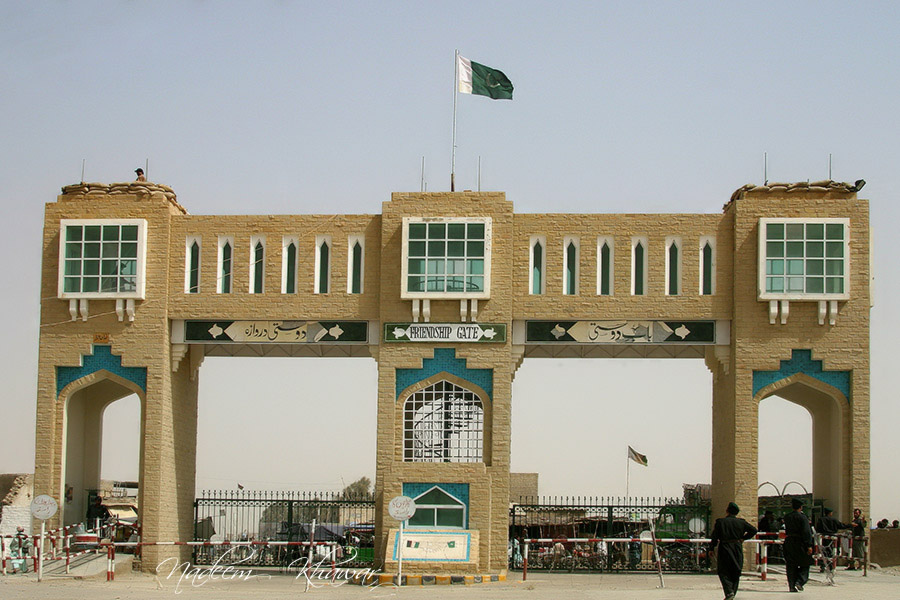
Pakistan and Afghanistan trade blame after deadliest border clash in months
