World Coal Demand Set for Record High as Iran War Chokes Hormuz LNG Supply
The IEA says global coal consumption will hit an all-time high of 8.94 billion tonnes this year, as fighting around the Strait of Hormuz curbs gas shipments and pushes power grids from China to Europe back toward coal.
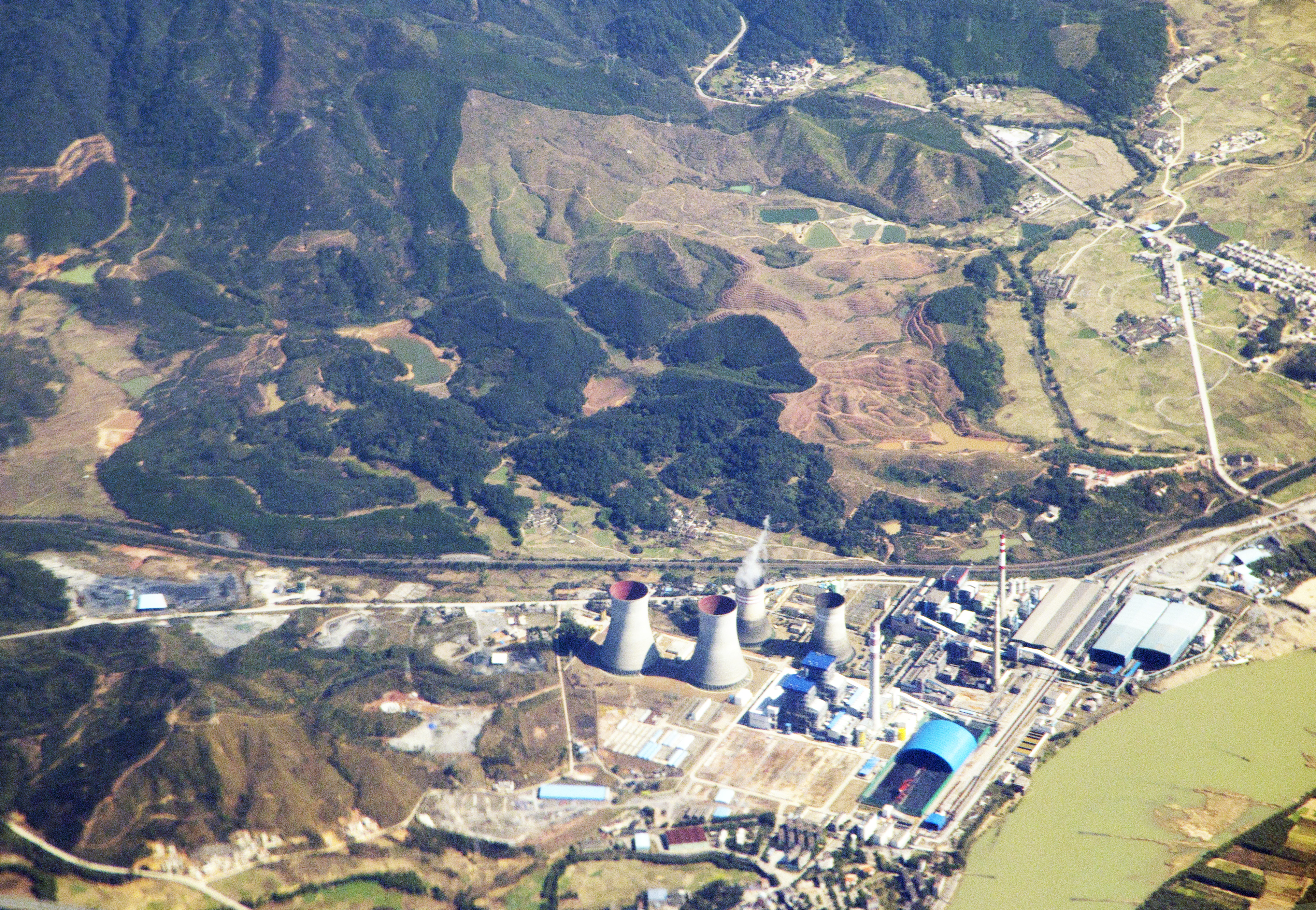
Global coal consumption is on track to reach a record 8.94 billion tonnes in 2026, the International Energy Agency said Thursday, reversing a forecast decline and marking a fresh setback for global efforts to move power grids away from the dirtiest fossil fuel. The agency's Coal Mid-Year Update 2026 attributes the surprise increase largely to the war between the United States and Iran, which has curtailed liquefied natural gas shipments through the Strait of Hormuz and pushed utilities from Beijing to Berlin back toward coal-fired power.
The finding lands six months into a conflict that has already reshaped oil markets, shipping routes and diplomatic alignments across the Gulf. The IEA's update is one of the first comprehensive attempts to quantify how the fighting is altering the world's underlying energy mix, not just its prices.
The numbers
World coal demand, which the IEA had expected to edge down slightly this year, is now projected to rise 1.2 percent to 8.94 billion tonnes, a new all-time high. China, still by far the largest consumer, is forecast to burn about 5 billion tonnes, up roughly 1 percent, while India's consumption is set to climb 4.2 percent to 1.353 billion tonnes. Coal-fired generation is also rising in Japan, South Korea and parts of Europe, where gas-fired plants that once ran on Gulf LNG have spare capacity but pricier fuel.
The United States is the exception: with domestic natural gas still cheap and largely insulated from the Hormuz disruption, American coal demand is expected to fall by around 7 percent this year, according to the same update, a divergence that underscores how unevenly the shock is being felt. Global production is expected to ease back from last year's peak but still top 9 billion tonnes for a third straight year, even as China's output growth has slowed following a gas explosion at the Liushenyu mine in Shanxi province in May that killed 82 workers and triggered a wider round of safety inspections and mine closures. Benchmark prices have firmed accordingly: the IEA's price tracking shows Newcastle 6,000-kcal coal climbing to around $150 a tonne and European ARA prices to roughly $130, both well up from depressed levels at the end of 2025 but still short of the extremes reached after Russia's invasion of Ukraine.
How the Hormuz war fed back into coal
Coal itself barely moves through the Strait of Hormuz; the waterway is a chokepoint for oil and gas, not coal cargoes. But the indirect effect has proved significant. Roughly a fifth of global LNG trade normally transits the strait, and the naval confrontation between American and Iranian forces there since the spring has repeatedly disrupted tanker traffic, spiking spot LNG and pipeline gas prices worldwide. Utilities in gas-importing countries with idle or underused coal plants have responded by dispatching more coal-fired capacity, the more predictable and, for now, cheaper option even accounting for carbon costs in Europe.
The pattern echoes what happened after 2022, when the loss of Russian pipeline gas to Europe drove a similar, temporary coal rebound. The difference this time, the IEA notes, is that the disruption is concentrated in LNG rather than pipeline gas, meaning its effects ripple out to Asian buyers — chiefly Japan, South Korea and China — who compete directly with Europe for the same tankers. An unusually strong El Niño pattern has compounded the effect in South and Southeast Asia, the agency said, by raising air-conditioning demand and reducing hydropower output in countries such as India and Vietnam just as gas became more expensive.
The increase "mainly reflects the crisis in the Middle East and an unusually strong El Niño weather pattern," the IEA said in its update, describing tighter natural gas supply as having "pushed up prices, prompting some electricity systems to switch from gas to coal."
Who is affected
The immediate winners are coal producers and exporters in Indonesia, Australia and South Africa, along with domestic mining regions in China and India, where import-dependent utilities are competing harder for cargoes. The clearest losers are climate targets: the International Energy Agency, an autonomous body established within the OECD framework in 1974 in the wake of that decade's oil crisis, has for years used its annual and mid-year coal updates to track how far the world remains from the peak-and-decline trajectory required to meet the goals of the Paris Agreement. A second consecutive year of rising coal demand — even a modest one — pushes that trajectory further out of reach.
Consumers in gas-importing Asian and European economies are also affected through higher electricity costs, as utilities pass through pricier LNG even where they can substitute coal. Coal miners and rail and port operators serving export terminals in Newcastle, Australia, and Richards Bay, South Africa, stand to benefit from the added volumes and firmer prices. Within China, the mining regions of Shanxi and Inner Mongolia face a more complicated picture: demand is up, but the aftermath of the Liushenyu disaster has meant tighter safety enforcement and, in some cases, output curtailed at smaller or higher-risk mines, narrowing the gap between production and consumption and adding further upward pressure on prices.
Reaction
Energy analysts covering the report described the reversal as a reminder of how quickly geopolitical shocks outside the energy sector can undercut climate commitments made in calmer years. Coverage of the update by trade publications including World Coal and energy-market outlets such as OilPrice.com noted that the forecast marks a sharp change from the IEA's own outlook a year ago, when the agency projected coal demand would plateau and begin a slow decline. Reporting from Semafor framed the update as evidence that China's power sector, which alone accounts for roughly a third of world coal consumption, remains the single largest variable in whether global emissions from the fuel rise or fall in any given year, regardless of what happens elsewhere.
No government has yet issued a formal response to the update, though it lands amid broader diplomatic strain over the Hormuz conflict's economic fallout, including sharply higher diesel and shipping costs that Gulf states and Iran are separately due to discuss in the coming days.
What happens next
The IEA said the trajectory for 2027 hinges almost entirely on whether LNG shipping through the Strait of Hormuz normalizes. If tanker traffic resumes at pre-war volumes, gas prices should ease and utilities in Asia and Europe would likely shift back toward gas, allowing coal demand to resume its earlier decline. If the strait remains constrained, the agency warned, coal demand could climb further in 2027 rather than plateau, extending a fuel-switching pattern that was supposed to be temporary. The agency's next full-year update is expected to sharpen that forecast once more data on winter heating demand and the state of the Hormuz shipping lanes is available.

Sabotage Suspected After Rail Fragment Derails Normandy Train, Injuring 44

Russian Barrage Kills At Least 11 Across Ukraine as Peace Push Falters

European Union Approves Final 2026 Ukraine Defense Tranche, Clearing Path for Patriot Missile Purchases
