Campbell's Slashes Dividend 36% as Snack Sales Slump and Outlook Darkens
The maker of Goldfish, Prego and its namesake soups cut its payout for the first time in decades and forecast a second straight year of declining sales, sending shares down sharply and dragging rivals lower.
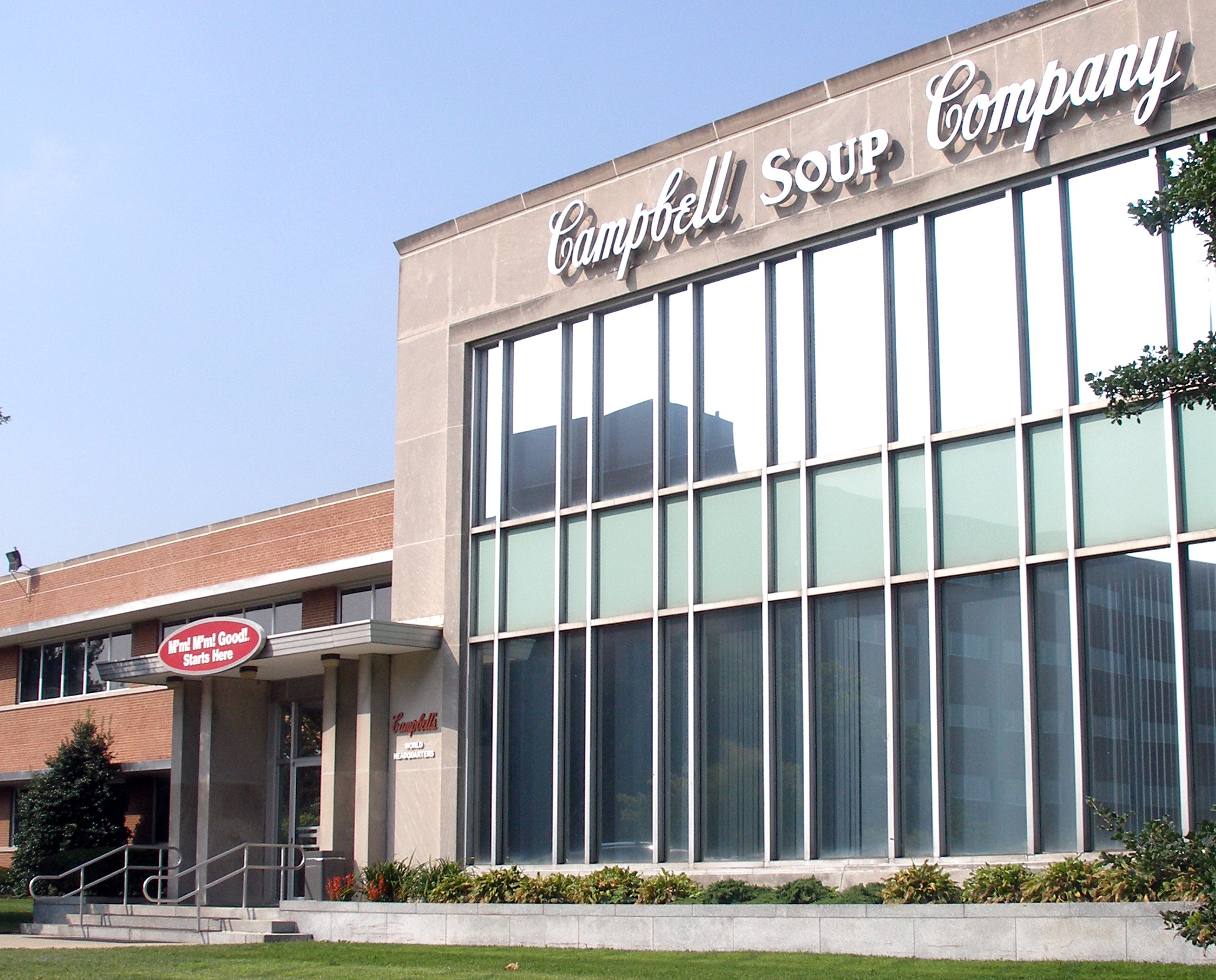
The Campbell's Company cut its quarterly dividend by 36% and forecast another year of falling sales on Thursday, after weak demand for its snack brands and inflation-battered margins capped a fiscal fourth quarter that its chief executive called unacceptable. Shares of the packaged-food maker fell nearly 7% to close at $22.13, after touching steeper losses earlier in the session, marking one of the stock's worst single-day declines in years.
The New Jersey-based company, known for Goldfish crackers, Prego pasta sauce, V8 juice and its namesake canned soups, disclosed the results in a filing with the Securities and Exchange Commission and in an earnings release posted to its investor newsroom. The company also unveiled a new $500 million cost-cutting program running through fiscal 2030, layered on top of workforce reductions and plant closures it has already carried out this year.
The Numbers
Fourth-quarter net sales fell 8% to $2.1 billion, missing Wall Street's estimate of roughly $2.15 billion, with organic sales down 1%. The company reported a per-share loss of 23 cents, versus adjusted earnings of 39 cents a share, which matched analyst forecasts but was down 37% from a year earlier. For the full fiscal year, net sales came to $9.7 billion, down 5%, while adjusted earnings per share fell 27% to $2.17.
The dividend reduction was the sharper jolt for income-focused investors. Campbell's quarterly payout drops to 25 cents a share from 39 cents — a 36% cut, taking the annualized dividend to $1.00 from $1.56 — with the first lower payment due November 2, according to the company's earnings exhibit filed with regulators. Management said the freed-up cash would go toward paying down debt, with a goal of cutting leverage to roughly three times earnings from 4.3 times currently.
Guidance for fiscal 2027 gave investors little to look forward to: net sales are expected to decline 2% to 4%, adjusted operating profit to fall 7% to 12%, and adjusted earnings per share to land between $1.65 and $1.80 — a drop of 17% to 24% from the year just completed. Both figures came in below what analysts had penciled in.
How It Got Here
The pressure has been building inside Campbell's snacks division, the unit built up through years of acquisitions including the 2018 purchase of Pepperidge Farm's parent and Snyder's-Lance. Snacks net sales fell 12% in the quarter, with organic volumes down 6% even as prices rose 1%, a sign that shoppers are pulling back even as the company tries to hold the line on pricing. Meals and beverages, the division that includes soup and V8 and was bolstered by the $2.7 billion purchase of Rao's-maker Sovos Brands in 2024, fared better, with organic sales up 3%, though reported net sales there still slipped 4%.
The company has leaned on price increases in recent years to offset input-cost inflation, but that strategy is running into a consumer base that is increasingly trading down. Lower-income households in particular have shifted toward private-label and value alternatives, a pattern also cited recently by rivals across the grocery aisle. Campbell's said it expects raw-material and packaging inflation of 5% to 6% in the coming year, along with double-digit increases in logistics costs, even as it works to wring out savings elsewhere.
Those savings efforts are already visible on the ground: the company has closed two snack-making plants and cut roughly 13% of its salaried workforce this year, according to reporting from trade publication Food Dive, as part of a broader restructuring that predates Thursday's announcement. The new $500 million target follows an earlier cost-reduction program that delivered $225 million of its $375 million goal.
Who Is Affected
The dividend cut lands hardest on income-oriented shareholders, including pension funds and retail investors who had counted on Campbell's as a defensive, dividend-paying staple; even after the reduction, the stock still yields roughly 4.5% at its lower share price. Employees face continued uncertainty as the company works through its multiyear restructuring, and the plant closures have already affected manufacturing communities tied to the snacks business. Suppliers of packaging and ingredients could also feel the effects of Campbell's push to squeeze further savings out of its supply chain.
The selloff was not contained to Campbell's alone. Shares of General Mills fell roughly 4% and Kraft Heinz dropped about 3% the same day, as investors marked down expectations across the packaged-food sector on fears that soft consumer spending is a broader industry problem rather than a company-specific one.
Campbell's chief executive, Mick Beekhuizen, who took over the role in February 2025, did not sugarcoat the results on the company's earnings call.
"Make no mistake, our results remain unacceptable. Instead of waiting for the environment to improve around us, we are addressing reality head-on."
Wall Street's read was similarly downbeat. Max Gumport, an analyst at BNP Paribas, said the company's own guidance points to a rocky start to the fiscal year, noting that "the company's phasing suggests a difficult start to the year with both organic net sales and profit below expectations." Several analysts flagged the dividend cut as a signal that management now views balance-sheet repair as a higher priority than preserving the payout that had made the stock a staple of income portfolios for decades.
What Happens Next
Campbell's says the new cost-savings program will unfold gradually through fiscal 2030, with further plant consolidation and overhead reductions likely as the company works to protect margins while inflation in packaging, ingredients and freight persists. Investors will be watching the December earnings report for early signs of whether snack volumes are stabilizing, and whether the softer fiscal 2027 guidance proves conservative or optimistic given the pressures on lower-income consumers. The company's investor relations materials will carry updates as the restructuring proceeds, including details on plant-level actions the company has not yet fully disclosed. For now, the dividend cut and guidance reset mark one of the more significant strategic resets in Campbell's recent history, as it tries to reposition itself for slower growth after a decade of debt-funded acquisitions in snacking.

Cleveland-Cliffs Posts Best Quarter in Three Years as Steel Tariffs Reshape the Market

Fifth Third Posts Record Profit as Comerica Deal Pays Off

China's economy grows 4.5% in the third quarter, beating forecasts as exports offset property slump
