HPE Beats Handily on Earnings — Then Watches Its Own Stock Slide on Memory-Cost Fears
Hewlett Packard Enterprise topped Wall Street's revenue and profit targets and raised its full-year outlook, but shares fell in after-hours trading as executives warned that soaring DRAM and NAND prices are squeezing the margins behind its AI server boom.
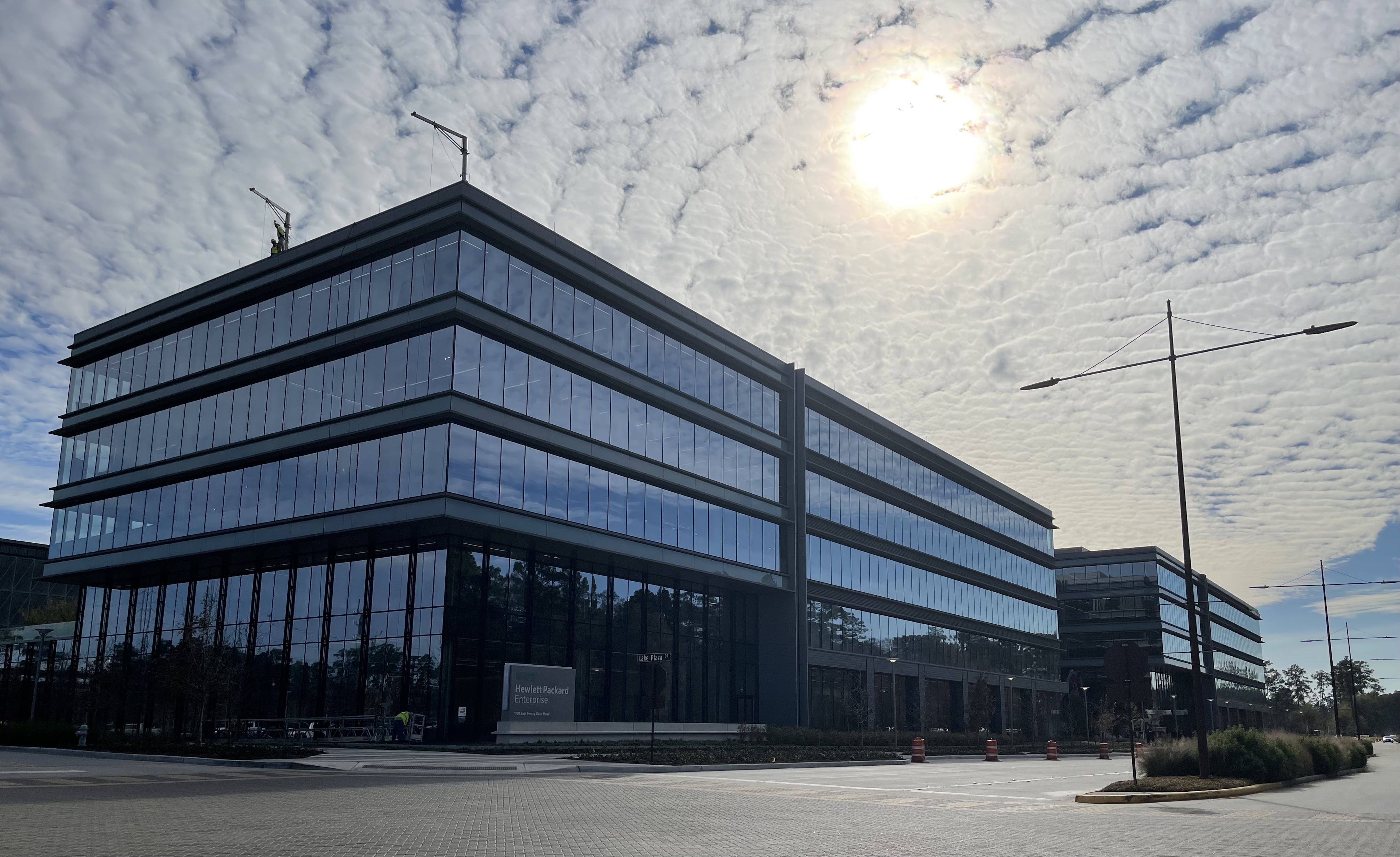
Hewlett Packard Enterprise reported fiscal third-quarter results after Tuesday's closing bell that beat Wall Street on every headline number, raised its full-year guidance and unveiled a new multi-year earnings framework — and its stock fell anyway. Shares dropped as much as 5 percent in after-hours trading before settling to a decline of roughly 4 percent, even as the company posted record revenue, record gross margin and a backlog of unfilled orders that is growing faster than it can ship product.
The disconnect between the numbers and the market's reaction centers on one component: memory. In its earnings release filed with the Securities and Exchange Commission, HPE said it expects operating margins to moderate in the current quarter because of a costlier mix of AI systems and continued shortages of DDR5 and DDR4 memory, NAND flash and wafer capacity — the same components now more than half of the materials cost of a typical server.
The numbers
Revenue for the quarter ended July 31 came to $12.2 billion, up 34 percent from a year earlier and above the top of the company's own guidance range, according to the official earnings press release posted to HPE's investor relations site. Non-GAAP diluted earnings per share were $1.11, well ahead of the $0.88-to-$0.93 range the company had guided to and above analyst consensus near $0.92. Non-GAAP gross margin hit a record 40.4 percent, up more than 1,000 basis points from a year ago, and non-GAAP operating margin rose to 16.2 percent.
The strength was broad-based. Networking revenue, powered by the Juniper Networks business HPE folded in last year, jumped nearly 75 percent to $2.9 billion, with routing revenue alone up 270 percent. The Cloud & AI segment, which includes servers, grew revenue 25 percent to $9 billion, with server revenue specifically up 35 percent to $6.8 billion. Orders across the company grew 42 percent year over year — faster than revenue — pushing the backlog to a new record, according to details in the filing and in a summary of the results published by StockTitan. HPE's networking-for-AI orders alone hit a quarterly record of $700 million.
Looking ahead, HPE raised its fiscal 2026 revenue growth forecast to 34-to-37 percent and its non-GAAP earnings guidance to $3.75-to-$3.85 a share. For the fourth quarter, it guided to revenue of $13.9 billion to $14.8 billion. The company also introduced a fiscal 2027 framework calling for 13-to-17 percent revenue growth, 16-to-20 percent non-GAAP earnings growth, and free cash flow of at least $5 billion — alongside a pledge to return at least 75 percent of free cash flow to shareholders in the fourth quarter.
How the memory squeeze got here
HPE's results land amid a broader supply crunch in DRAM and NAND flash that has been building since late 2025, driven by memory makers diverting production capacity toward high-bandwidth memory for AI accelerators at the expense of the conventional DDR chips that fill enterprise servers. Chief executive Antonio Neri, on the company's earnings call, described the dynamic directly, tying it to the parallel shift underway in the chip industry.
"We have DDR4 to DDR5, that's understood. But then you have traditional DRAM moving to HBM. And that HBM demand is super high because it's driven by the GPU," Neri told analysts on the call, according to a transcript published by SingjuPost.
HPE said it has responded by locking in multiyear supply agreements with memory and silicon partners and adopting what executives called an "agile pricing posture," allowing it to reprice orders between the time a customer places a quote and the time a server actually ships — a hedge against the widening gap between order growth and revenue growth. Chief financial officer Marie Myers told analysts the company has been "very diligent around pricing in this constrained component environment."
The results arrived alongside a separate announcement that HPE's Juniper Networking unit will expand its multi-year partnership with Oracle, deploying routing and switching hardware across Oracle's global AI data centers, with the two companies also collaborating on network telemetry aimed at reducing GPU downtime. HPE issued Oracle warrants as part of the arrangement; financial terms were not disclosed.
Who is watching, and what comes next
The stock's decline is notable mainly because of what preceded it: HPE shares had rallied roughly 120 percent so far this year heading into the report, making the company one of the best-performing large-cap technology stocks of 2026 on the strength of the AI infrastructure buildout and the integration of Juniper's networking business. That run left the stock priced for continued acceleration, which made a warning about near-term margin compression — even one paired with a raised full-year forecast — enough to trigger selling.
Enterprise customers waiting on AI server orders are effectively on the other side of the same dynamic: HPE's backlog is growing because it cannot convert orders into shipped, billed revenue as quickly as customers are placing them, a supply constraint that competing server and storage vendors have also flagged in recent results. Memory suppliers, meanwhile, are positioned to keep benefiting from tight DRAM and NAND pricing that persists, in HPE's own telling, at least into 2027.
Details of the SEC filing itself — the Form 8-K disclosing the results — also show the company declared a quarterly dividend of $0.1425 per share, payable October 16 to shareholders of record as of September 17, a routine capital-return signal alongside the buyback commitment. Investors will get their next read on whether the memory squeeze is easing or worsening when HPE reports fiscal fourth-quarter results in the coming months, a period for which the company has already guided to a sequential dip in operating margin even as revenue climbs toward $14 billion.

Chipmakers' Worst Slump Since 2008 Deepens as AI Financing Fears Hit CoreWeave

Goldman Sachs Profit Jumps on Record Equities Trading

Conduent agrees to pay $80 million to settle data breach that exposed 62 million people's records
