Record tanker attacks near Strait of Hormuz drive oil and freight costs higher
Attacks on commercial ships near the Strait of Hormuz hit a wartime high in October, and the costly workarounds shippers use to keep oil moving are pushing freight rates and crude prices sharply higher.
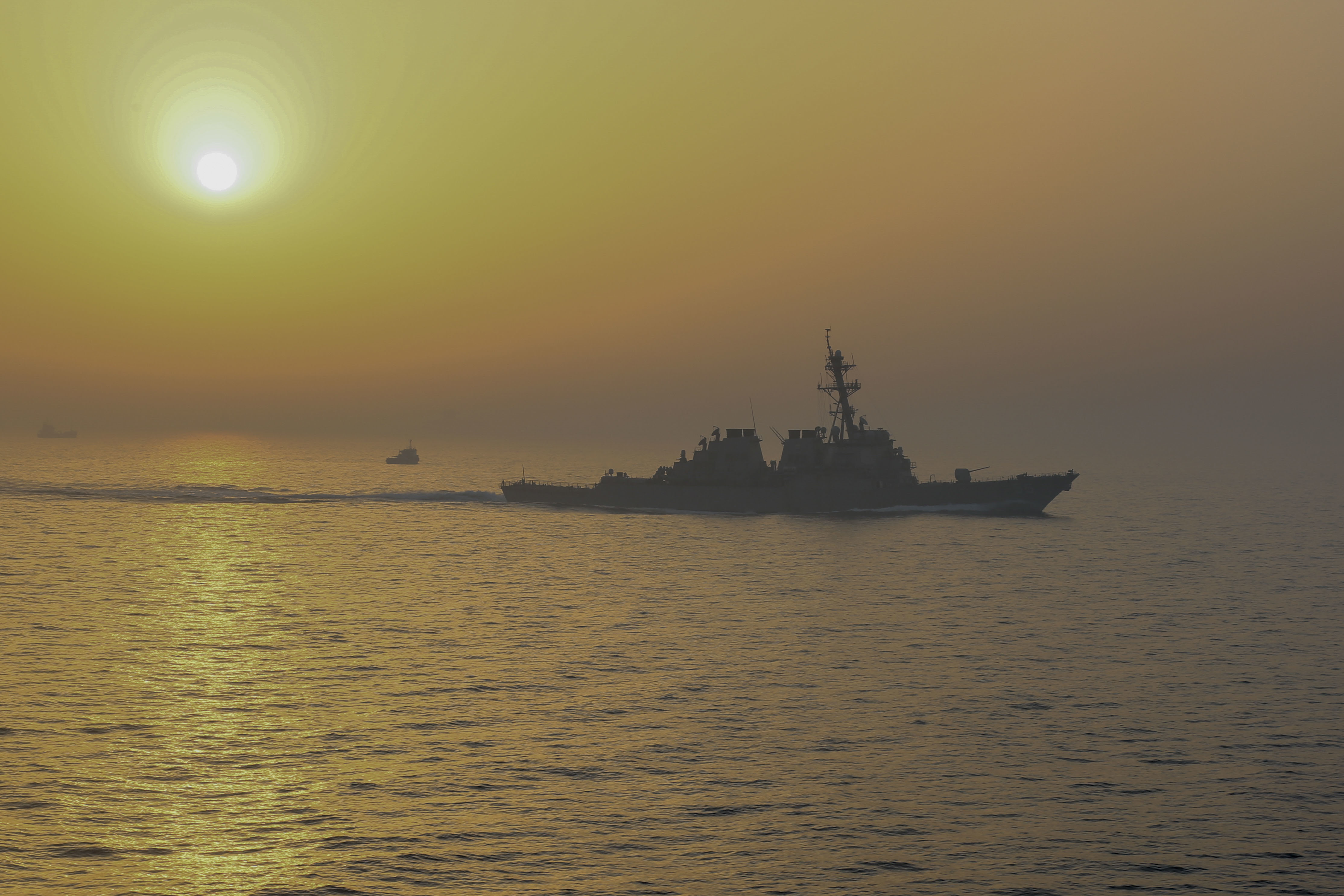
Attacks on commercial ships in and around the Strait of Hormuz climbed to the highest monthly total since the war between the United States and Israel and Iran began in late February, even as tankers kept pushing crude through the waterway and freight rates and oil prices surged. The Washington Institute for Near East Policy counted 28 confirmed and reported attacks in October, more than any other month of the conflict, part of 113 recorded since Feb. 28, according to a Reuters count published Oct. 23.
Brent crude, the international benchmark, traded above $117 a barrel on Friday, just below its wartime closing high of $118.35 set in March, after gaining more than 13 percent in October, according to CNBC. The price moves reflect both the physical risk to tankers and the costly workarounds shippers have adopted to keep Gulf crude moving to refiners in Asia.
A record month, by several measures
Different trackers give different counts, but they point the same direction. The International Maritime Organization has logged 120 incidents in the strait and the wider Middle East since the war began, and the UK Maritime Trade Operations center has recorded 135 conflict-related incidents as of mid-October. The IMO lists more than 30 very large crude carriers, or VLCCs, damaged in attacks since February, 11 of them in October alone, roughly 3.5 percent of the global VLCC fleet of more than 900 ships, Reuters reported. "October has seen the highest number of ship attacks on record," said Noam Raydan, a senior fellow at the Washington Institute who maintains the group's shipping-incident map.
"October has seen the highest number of ship attacks on record."
Oil flows have been volatile rather than simply falling. Crude exports through Hormuz averaged about 11.1 million barrels a day in October, down roughly 2 percent from September, according to data from Kpler cited by CNBC. In the week through last Wednesday, flows fell to 7.3 million barrels a day, more than 40 percent below the prewar baseline, but volumes have also risen more than 70 percent since July as shippers adapted. Before the war, the Strait of Hormuz carried an average of 20.9 million barrels a day in the first half of 2025, equal to roughly a fifth of global petroleum consumption and about a quarter of all oil moved by sea, according to the U.S. Energy Information Administration.
A costly shuttle system
To keep cargo moving, tankers now load at Persian Gulf ports, transit the strait with their transponders switched off, and transfer crude in the Gulf of Oman onto other vessels that carry it on to Asian refiners, CNBC reported. Jakob Larsen, chief safety and security officer at the shipping association BIMCO, said ships are attacked "really on a daily basis," and that owners are willing to accept the risk largely because of continued American air cover. Mary Melton, a senior tanker analyst at the London shipbroker Braemar, said the shuttle system is inefficient and expensive, tying up roughly a fifth of the world's supertanker fleet.
The cost of that workaround has climbed sharply. Supertanker hire for voyages from the Gulf of Oman to Asia rose from about $249,000 a day in early September to more than $900,000 a day in the first week of October, Melton told CNBC. Melton estimated that the added transport cost per barrel rose from roughly $6.50 in September to about $21 in October, and that freight could eventually equal 20 to 30 percent of the delivered cost of crude for Asian buyers. Some Gulf producers have responded by covering shipping costs themselves and deploying their own tankers to stay price-competitive with Atlantic Basin exporters such as the United States.
Washington tightens sanctions as fighting drags on
The U.S. Treasury has paired the military standoff with an escalating sanctions campaign aimed at the revenue Iran draws from oil exports that evade restrictions. On Oct. 21, Treasury's Office of Foreign Assets Control designated a Panama- and Greece-based law firm, Karnakis and Karnakis, along with shipping agents in Singapore and the United Arab Emirates, accusing them of helping Iran's "shadow fleet" move oil, petrochemicals and steel while evading sanctions. The Financial Crimes Enforcement Network, in a parallel release the same day, said it had issued its first administrative subpoena under the Bank Secrecy Act as part of an investigation into a Greek bank's possible ties to Iran and its regional proxies. Treasury has framed the campaign, which it calls Operation Economic Outcast, as an effort to sever what it describes as the "economic lifelines" funding Iran's military and weapons programs.
U.S. Central Command has separately disputed Iranian claims that mines have struck ships along the internationally recognized transit routes, saying those lanes remain clear and that thousands of commercial vessels have passed through safely with American military support, CNBC reported. Tehran has continued to report tanker fires and mine strikes in the strait, claims that have not been independently verified.
What happens next
The dispute over the strait is becoming entangled with American domestic politics. The Wall Street Journal has reported that the United States told Gulf Arab governments to prepare for a short, intense military campaign after the Nov. 3 midterm elections, according to CNBC's account of that reporting. Raydan said Iran appears to be timing its attacks to maximize pressure on energy markets and to test Washington's resolve before the vote, since a Democratic-controlled Congress could push to wind down American involvement in the conflict. For now, shippers, insurers and oil buyers are left pricing in a strait that is neither closed nor normal: still carrying the bulk of Gulf crude to world markets, but at a freight and insurance premium that is reshaping which producers and which routes compete for Asian demand.
Reuters — Ship Attacks in Strait of Hormuz Hit Record High in October
CNBC — Tankers Defy Escalation of Attacks to Keep Oil Flowing Through Hormuz
U.S. Department of the Treasury — Operation Economic Outcast Targets Iran's Shadow Fleet Networks
FinCEN — Operation Economic Outcast Targets Iran's Shadow Fleet Networks

OPEC+ Holds Oil Output Steady as Iran War Keeps Hormuz Flows Near a Standstill

China's Factories Slip Back Into Contraction as Export Orders Weaken
Intel shares post worst one-day drop since 1974 after earnings
