Cregger's "Resident Evil" Reboot Becomes First in Franchise to Cross $100 Million Domestically
Zach Cregger's R-rated reboot of Capcom's zombie-outbreak franchise topped $100 million domestically in ten days and $196.5 million worldwide, a stronger and longer-legged run than any of the seven prior "Resident Evil" films managed.

Zach Cregger's reboot of "Resident Evil" has become the first film in the 24-year-old video-game franchise to cross $100 million at the domestic box office, a milestone it reached in just ten days of release. The horror director's take on Capcom's zombie-outbreak series added an estimated $23.3 million in its second North American weekend, lifting its domestic total to $103.4 million and its worldwide gross to roughly $196.5 million, according to studio estimates compiled by Box Office Mojo's daily domestic chart.
What happened
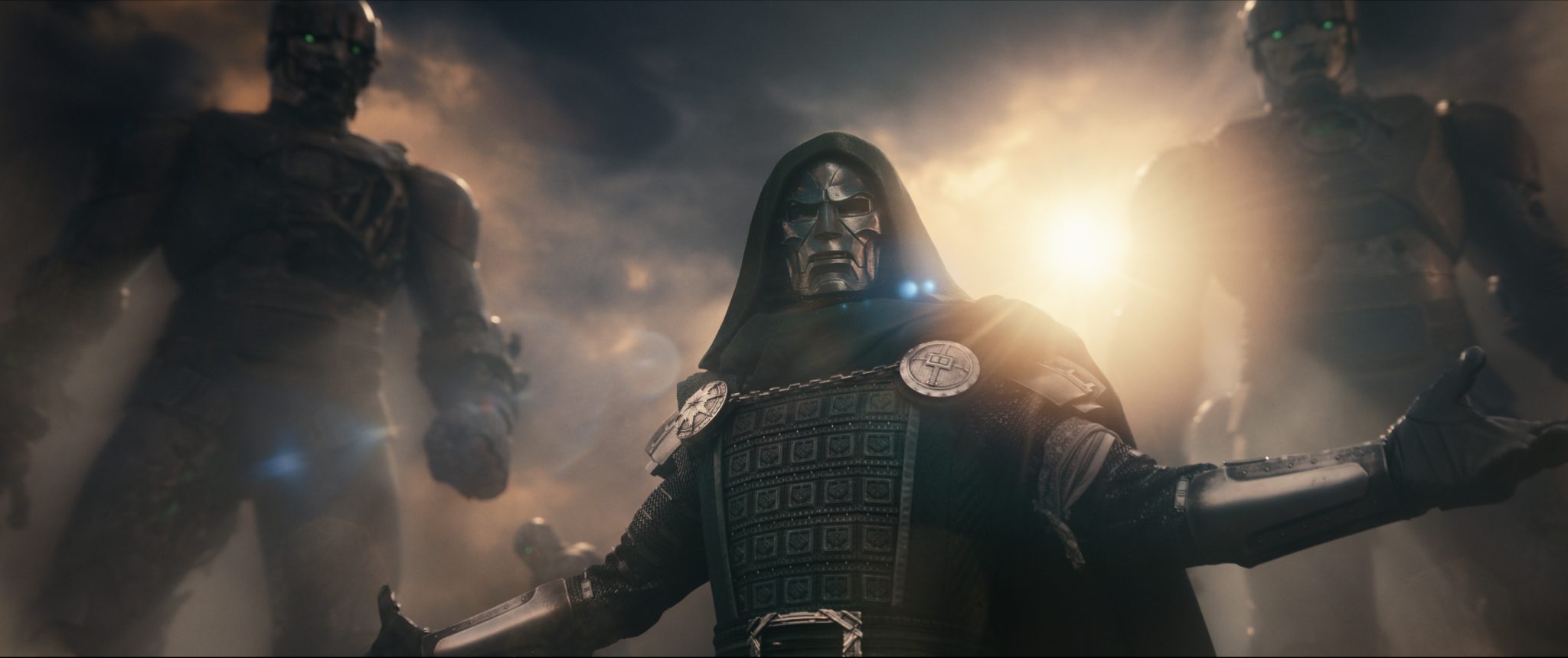
"Resident Evil," directed and co-written by Cregger with Shay Hatten, opened on September 18 to a franchise-record $60 million domestically and $108.3 million worldwide, well ahead of Sony's own pre-release projections of roughly $40 million. A week later, the film held with unusual strength for a horror title, dropping only about 61 percent in its second weekend even as it faced new competition from other wide releases. That hold was enough to push the reboot past the $100 million domestic threshold that none of the previous seven live-action "Resident Evil" films had reached, a data point confirmed by the running box-office ledger on The Numbers' box-office and financial page for the film. Resident Evil narrowly lost the weekend's top spot to Disney's re-release of "Avengers: Endgame," which added new footage teasing "Avengers: Doomsday" and drew $26 million, but trade coverage of the weekend's global grosses made clear the more durable story was a nine-year-old horror franchise finding new commercial life under a filmmaker best known for original, mid-budget scares.
The numbers
The scale of the reboot's performance is clearest set against the series it revives. Made for a reported $75 million by Constantin Film, PlayStation Productions, Vertigo Entertainment, Davis Films and Subconscious, with Sony's Columbia Pictures distributing, the new film has already recouped its budget several times over and sits fourth on the franchise's all-time worldwide list, according to The Numbers' franchise box-office breakdown.
- Resident Evil: The Final Chapter (2017) — $314.1 million worldwide
- Resident Evil: Afterlife (2010) — $300.2 million worldwide
- Resident Evil: Retribution (2012) — $240.6 million worldwide
- Resident Evil (2026) — $196.5 million worldwide and climbing
The new film's opening weekend alone generated $14.5 million from Imax screens, a record for a horror release in comparable markets, and its $108.3 million global launch outpaced the $70 million domestic-plus-international start of Cregger's previous film, "Weapons," released last year. Rotten Tomatoes lists the reboot at 96 percent positive among critics — the best-reviewed film of Cregger's career, ahead of both "Barbarian" and "Weapons" — while audiences awarded it a B+ CinemaScore. The film's official Box Office Mojo release page shows the domestic run continuing to add roughly $2 million a day into its third week, an unusually long tail for the genre.
How we got here
The reboot marks a deliberate break from the Milla Jovovich-led series that ran from 2002 to 2021 and grossed more than $1.2 billion worldwide across six films before the 2021 prequel "Welcome to Raccoon City" managed only $41.8 million globally. Sony and Constantin, which has produced every "Resident Evil" film since the franchise began, handed creative control to Cregger after his two prior horror features, "Barbarian" and "Weapons," established him as a filmmaker capable of turning modest budgets into outsized box-office returns. PlayStation Productions, the Sony Interactive Entertainment unit built in 2019 to adapt the company's video-game catalog for film and television, joined as a producer, part of a broader push that has already yielded HBO's "The Last of Us" and the theatrical hit "Uncharted." Where earlier "Resident Evil" films leaned on science-fiction action and an original mythology loosely tied to the games, Cregger and Hatten built an R-rated, self-contained story following a medical courier, played by Austin Abrams, trapped in Raccoon City during an outbreak, hewing closer to the survival-horror tone of Capcom's games than any prior adaptation.
Who is affected
The film's performance matters most immediately to Sony, which is counting box-office wins after a mixed run of tentpoles this year, and to Constantin Film, whose stake in the franchise's future value rises with every record broken. Capcom, which licenses the "Resident Evil" name, benefits from a reboot that critics and industry trackers are treating as a rare successful reset of a long-running game adaptation, a genre that has more often struggled at the box office. Theater chains and Imax in particular have leaned on the film's older, R-rated audience to fill a late-September slate otherwise dominated by family and awards-adjacent releases. For Cregger himself, the film cements a run of three consecutive number-one horror openings and strengthens his standing as one of the few directors whose name alone is now treated by studios and analysts as a box-office draw.
Reaction
Industry analysts have framed the result as validation of Sony's bet on an auteur-driven approach to franchise revival rather than a conventional reboot built around brand recognition alone.
"Zach Cregger plus big franchise equals big bucks. And he made it feel fresh and new," said Paul Dergarabedian, head of box-office analysis for Rentrak, in comments distributed alongside the weekend's grosses.
Critics have been similarly positive, with several reviews singling out Cregger's willingness to slow the film down for tension rather than lean solely on action set pieces, a departure from the earlier franchise's pacing. The film's second-weekend hold, one of the strongest for a wide horror release in years, was cited repeatedly by trade outlets as evidence that word of mouth, not just opening-weekend marketing, was carrying the film.
What happens next
Resident Evil still trails the franchise's all-time worldwide leader, "The Final Chapter," by roughly $116 million, a gap the film could close as it expands into additional international markets, including Japan, where it opens October 9. Sony has not yet announced a sequel, but the film's economics — a $75 million budget against a global gross already approaching $200 million after two weekends — make a continuation likely to be discussed once the international rollout concludes. For Cregger, the box-office result adds commercial weight to an already strong critical run and is expected to give him considerable leverage in choosing his next project, whether inside or outside the "Resident Evil" universe Constantin and Sony have spent more than two decades building.

A24's 'Primetime' scores third-biggest opening in studio history as the real Chris Hansen disputes his portrayal

AEW star PAC, wrestling's 'Man That Gravity Forgot,' dies at 40 after final match
Avengers: Endgame Encore Retakes No. 1 at the Box Office, Building the Bridge to Doomsday
