UK culture secretary 'minded to intervene' in Sky's $2 billion ITV takeover
Lisa Nandy says she may step into Sky's proposed takeover of ITV's channels and streaming service on media-plurality grounds, reopening scrutiny of a deal that would reshape British commercial broadcasting.
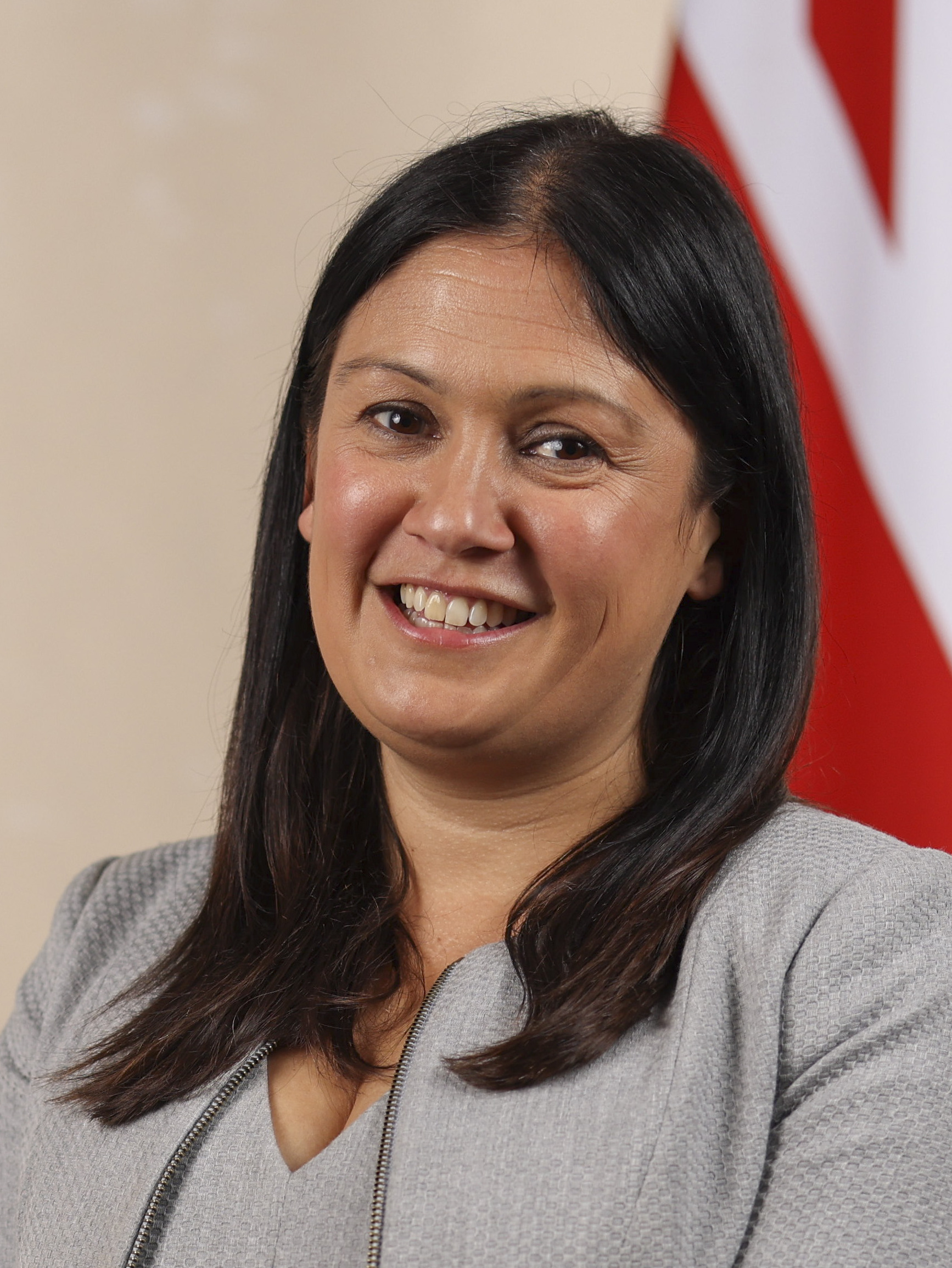
Britain's culture secretary said Thursday she is “minded to intervene” in Sky's proposed takeover of ITV's broadcast and streaming business, putting a $2 billion deal that would reshape British commercial television back in regulators' hands just as it looked close to clearing its first hurdles.
Lisa Nandy, who heads the Department for Culture, Media and Sport (DCMS), said in a statement that she has “reasonable grounds to suspect” the acquisition raises public interest concerns under U.K. competition law, chiefly around media plurality. She has written to both companies to say she intends to scrutinize the deal further, and they have until Oct. 20 to respond before she decides whether to formally act.
What happened
Comcast-owned Sky agreed in July to buy ITV's media and entertainment arm — its free-to-air channels and the ITVX streaming service — for up to £1.6 billion ($2.1 billion), a deal that would hand Sky control of two of the country's biggest broadcast brands under one roof. ITV Studios, the production business behind shows sold around the world, was carved out of the sale and is being spun off as its own publicly listed company.
Nandy's statement does not kill the deal. It opens a formal public interest review track under the Enterprise Act 2002, the law that lets a minister step into a merger otherwise left to competition regulators when broadcasting and news ownership are at stake. The specific grounds she cited were the need for “free expression of opinion in news media,” a “sufficient plurality of views in news media” and a “sufficient plurality of persons with control” of outlets serving different parts of the U.K. — in practice, a reference to local and regional news coverage.
The numbers behind the deal
Under the terms announced in July, Sky would pay roughly £1.2 billion in cash, transfer its Love Productions label to ITV, and pay up to £0.2 billion more in earn-outs tied to performance. ITV's board has said it expects to return close to £950 million to shareholders once the sale closes, equivalent to about 25 pence a share. ITV has also said all of its public-service broadcasting commitments, including national and regional news, are protected under its Channel 3 licenses through 2034 regardless of who owns the channels.
The transaction is already being examined by the Competition and Markets Authority, which opened an early “invitation to comment” this summer and says on its case page that a formal Phase 1 investigation has not yet begun. If Nandy follows through and issues a public interest intervention notice, both the CMA and media regulator Ofcom would be required to separately assess the deal's competition and public interest implications and report their findings back to her before any final decision is made.
Context: a familiar playbook
The move echoes the last time a Sky deal landed on a culture secretary's desk: the 2017-18 fight over 21st Century Fox's bid for full ownership of Sky, which also began with a minister saying she was “minded to intervene” on plurality grounds and ended, after more than a year of CMA and Ofcom review, with the deal cleared only after Fox agreed to spin off Sky News.
Nandy herself has already run this playbook once this year, saying in the summer she was minded to intervene in Paramount Skydance's acquisition of Warner Bros. Discovery on similar plurality grounds — before ultimately allowing that deal to proceed. Whether the Sky-ITV review follows the same path, or goes further, is being watched as an early signal of how media consolidation will be treated by the government.
“Domestic broadcasters across Europe are under considerable pressure from not just the streamers, but also from YouTube,” Sir Peter Bazalgette, ITV's former chairman, told Variety earlier this year, arguing that combined, Sky and ITV would still represent only 20% to 30% of the U.K. video advertising market against platforms like YouTube, Meta and TikTok.
Who's affected
The companies most directly in the frame are Sky, ITV and their production and news units. Sky would also become an indirect shareholder in ITN, which produces ITV News, Channel 4 News and Channel 5 News, raising the plurality questions Nandy flagged. ITV staff across its channels and regional newsrooms, along with ITV shareholders awaiting the promised capital return, have an immediate stake in how quickly the review moves. So do rival broadcasters and advertisers watching whether the deal creates a single commercial player large enough to reset how U.K. television advertising is bought and sold.
Reaction and what's next
Neither ITV nor Sky had issued a new public statement responding directly to Nandy's intervention warning as of Thursday. Industry figures who have defended the tie-up, including Bazalgette, have argued that government attitudes toward broadcaster consolidation have grown more permissive simply because scale is now seen as necessary for public-service broadcasters to compete with global streaming and social platforms.
The immediate deadline is Oct. 20, when Sky and ITV must submit their representations to the Department for Culture, Media and Sport. If Nandy then issues a formal intervention notice, the CMA and Ofcom reviews that follow typically take months, meaning any final decision on whether Sky can fold ITV's channels and ITVX into its business is unlikely before next year — well before the deal's previously stated target of closing in the second half of 2027.

Prosecutor calls Russell Brand a 'ruthless' predator as rape trial opens in London

Netflix Cuts 1,000 Jobs in Its Biggest Layoffs Since 2022

Tupac Shakur's Killer Sentenced to 40 Years to Life, Closing 30-Year Cold Case
