CDC warns of nationwide rise in rabies exposures and treatment errors
A summer of rabid petting-zoo goats, beaver attacks and other wildlife encounters pushed rabies-related inquiries up 17 percent, prompting a federal advisory over costly mistakes in post-exposure treatment.
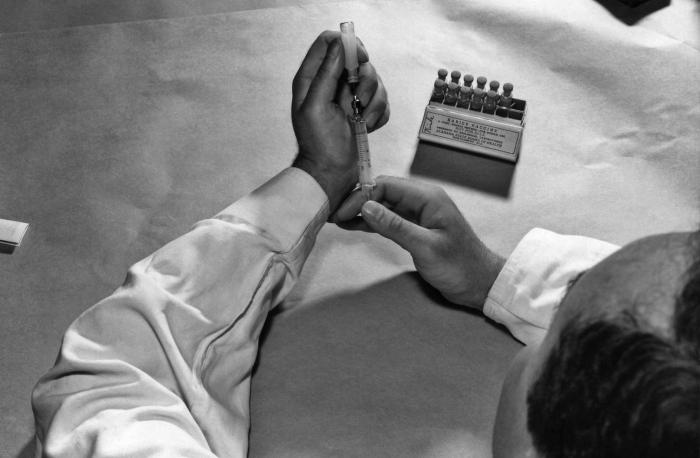
The Centers for Disease Control and Prevention issued a national Health Alert Network advisory this month warning that human exposures to rabid or possibly rabid animals are climbing across the country, and that a worrying share of the resulting treatments are being given incorrectly. The advisory, sent to clinicians and state health departments on September 10, follows a summer marked by a rabid-goat outbreak at a North Carolina petting zoo, back-to-back rabid beaver attacks at a Maryland state park and a spate of other encounters that sent hundreds of people scrambling for shots.
In a companion public statement, the agency said rabies "is preventable when people who have been exposed receive appropriate administration of the rabies vaccine before symptoms begin," but stressed that mistakes in how post-exposure prophylaxis, or PEP, is administered are becoming common enough to raise alarm.
The numbers behind the alert
CDC officials said the agency fielded 17 percent more rabies-related inquiries in July and August of this year than in the same two months of 2025, including several reports of "mass exposure events" involving dozens of people at once. Weekly pharmacy data reviewed by the agency showed that use of the two rabies vaccines on the market rose an estimated 33 percent over the same period last year, while use of human rabies immunoglobulin, the antibody treatment given alongside the vaccine, jumped 76 percent.
At least eight state health departments reported a rise in PEP administration, PEP administration errors, or both, according to the advisory. The errors CDC flagged most often included injecting vaccine into the buttock instead of the shoulder or thigh, failing to inject immunoglobulin into and around every wound, mixing immunoglobulin and vaccine in the same syringe, and misjudging a patient's prior vaccination history. Each of those mistakes can mean a patient does not develop adequate immunity, or receives treatment they did not actually need. A full PEP course, which typically includes wound care, one dose of immunoglobulin and a four-dose vaccine series over two weeks, runs $11,000 to $14,000 per patient, so errors are also expensive: roughly 100,000 Americans receive the treatment every year.
How the summer's outbreaks unfolded
The advisory does not name specific incidents, but it arrives after a string of them. In North Carolina, a state health department announcement confirmed that baby goats from the Farm Adventures mobile petting zoo, based in Iredell County, tested positive for rabies after appearing at public and private events in multiple counties between July 28 and August 27. Local health departments went on to recommend PEP for 213 people who had contact with the goats, out of nearly 300 exposure assessments conducted statewide.
In Maryland, officials closed swimming and picnic areas of Cunningham Falls State Park twice in two weeks after separate beavers bit a 13-year-old boy, who was airlifted to a hospital, and a 19-year-old fisherman. Both beavers later tested positive for rabies; state wildlife officials said they had not confirmed a rabid beaver attack in the park since 2021. Additional exposures this summer involved bats, foxes and other wildlife in states well beyond North Carolina and Maryland, which is part of what prompted CDC to describe the pattern as nationwide rather than regional.
Who is affected
The rise touches two overlapping groups: people bitten or scratched by an infected or possibly infected animal, and the clinicians who treat them. CDC's advisory is addressed primarily to emergency departments, urgent care clinics and public health staff, who it says need to sharpen their post-exposure prophylaxis protocols to avoid both under- and over-treatment. But the underlying exposures are consumer-facing: families visiting petting zoos, hikers and anglers in state parks, and pet owners whose animals encounter wildlife are all represented in this summer's case reports. People with weakened immune systems face extra risk, since CDC recommends they receive a fifth vaccine dose and laboratory testing to confirm the treatment worked.
"Errors in rabies risk assessment and PEP administration could result in unnecessary treatment" — CDC Health Alert Network advisory, September 10, 2026
What officials are saying
Health authorities have largely framed the increase as a call for vigilance rather than panic. Rabies remains almost always fatal once symptoms appear, but the CDC and state agencies emphasize that it is essentially 100 percent preventable if PEP begins promptly and is administered correctly. In its advisory summary, the agency urged the public to keep pets current on rabies vaccinations, avoid contact with wild or stray animals acting strangely, and wash any bite or scratch with soap and water for a full 15 minutes before seeking urgent care. Maryland wildlife officials, for their part, advised parkgoers to stay at least 25 yards from beavers and other wildlife, particularly any animal that appears disoriented or unusually aggressive.
- 17 percent more rabies inquiries to CDC in July-August 2026 versus the same period in 2025
- 33 percent rise in rabies vaccine use and 76 percent rise in immunoglobulin use year over year
- 213 people recommended for treatment after the North Carolina petting zoo outbreak alone
- $11,000 to $14,000 average cost of a full post-exposure treatment course
What happens next
CDC says it will keep tracking rabies exposure and treatment data as the pattern continues into the fall, when hunting season and increased outdoor activity typically bring more human-wildlife contact. The agency is directing clinicians to its rabies risk-assessment tools and PEP calculator to standardize decisions about who needs treatment and how it should be given, and is asking state and local health departments to report unusual clusters promptly. For the public, the practical takeaway from officials is unchanged from decades of rabies guidance: get bitten or scratched, wash the wound immediately, and call a health care provider or local health department the same day rather than waiting to see how a wound looks.

Your smartphone's cough data is tracing air pollution to the bedroom

Eye-Tracking Study Names the World's Most Captivating Cycling Routes

Vermont Egg Recall Exposes a Gap in Federal Salmonella Rules