Cellular cleanup, long blamed for aging alone, turns out to vary by sex and cell type
A new study of healthy adults aged 23 to 72 complicates the long-standing idea that autophagy, the process cells use to clear out damaged proteins, simply declines with age — and finds a 12-week exercise program nudged the process toward more youthful patterns in a small group of older adults.
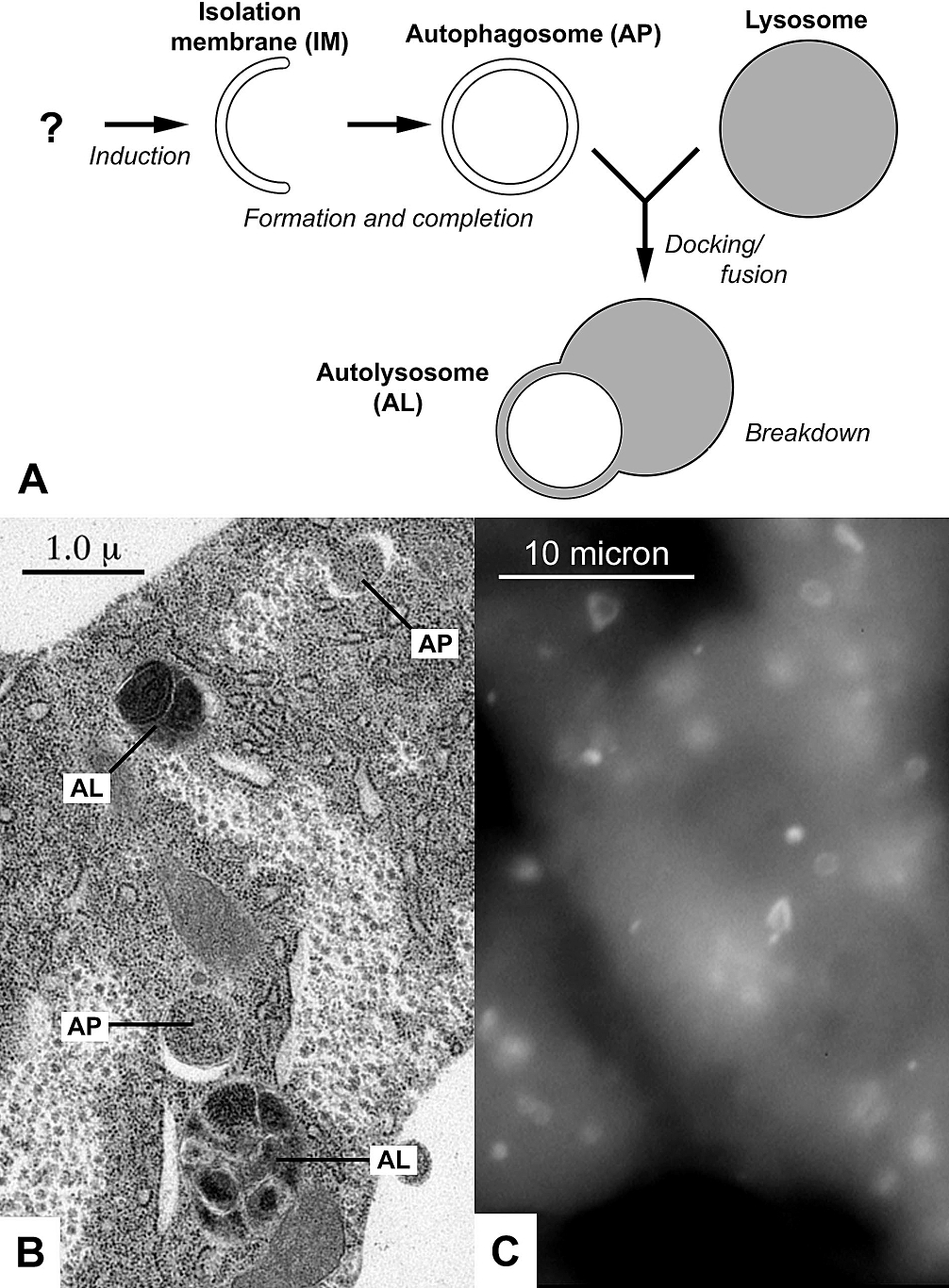
For decades, a tidy story has circulated in aging research: cells accumulate damage over time in part because autophagy, the internal process that clears out worn-out proteins and malfunctioning components, slows down as people get older. A study published Sept. 27 in the journal Aging Cell complicates that narrative considerably, finding that the process changes in different directions depending on the type of cell and the sex of the person it came from.
The research, led by scientists at the Sanford Burnham Prebys Medical Discovery Institute in La Jolla, California, with collaborators at UC San Diego, drew blood and skin samples from healthy volunteers between the ages of 23 and 72 who reported no chronic illnesses. The findings were first detailed in an institute release carried by Newswise and picked up this week by ScienceDaily, which covers peer-reviewed research for general audiences.
What happened
Researchers in the lab of Caroline Kumsta, an assistant professor at Sanford Burnham Prebys, set out to test an assumption that has shaped much of the thinking around aging and cellular health: that autophagy, sometimes described as the cell's internal recycling and cleanup system, simply runs less efficiently as a person gets older. Rather than infer autophagy activity from gene-expression data alone, a common shortcut in the field, the team took the more labor-intensive step of directly measuring how quickly cells were breaking down and recycling material in three distinct tissue types: blood cells, skin cells, and induced neurons grown by reprogramming skin cells in the lab.
"We commonly see people cite this idea that autophagy declines with age, but the actual evidence for this in humans is very thin," Kumsta said in the institute's release. Tatiana Moreno, the study's lead author and a former graduate student in Kumsta's lab, said the team wanted to "challenge assumptions and investigate what actually happens to autophagy during aging in healthy individuals."
The numbers
The pattern that emerged did not point in one direction. In skin cells from men, autophagy activity declined with age, consistent with the conventional story. In skin cells from women, the rate stayed essentially flat across the age range studied. And in induced neurons derived from women's cells, autophagy activity rose with age — the opposite of what the standard model would predict.
A separate and, the researchers say, more clinically relevant finding concerned adults 70 and older. Among this group, higher measured autophagy activity was associated with worse physical function, not better, across all three cell types:
- In blood cells, higher autophagy tracked with lower aerobic fitness.
- In skin cells, it tracked with higher body mass index.
- In induced neurons, it tracked with weaker grip strength, altered metabolic markers and a higher resting heart rate.
The researchers also ran a small pilot test of intervention. Five participants aged 77 to 88 completed a 12-week program of gentle exercise designed to reduce fall risk, with blood drawn before and after. Autophagy activity in their blood cells moved toward patterns typically seen in younger adults, alongside improvements in physical performance. The authors are explicit that five participants is too small a sample to draw firm conclusions, and describe the result as preliminary groundwork for larger trials already underway with UC San Diego's Exercise and Physical Activity Resource Center.
Context: why the gene-activity shortcut misled researchers
A notable secondary finding was methodological: the genes associated with autophagy did not reliably predict how fast the process was actually running in a given cell. Many prior studies have relied on measuring the activity of autophagy-related genes as a stand-in for the real thing, because direct measurement is harder and more resource-intensive.
"People using static measures such as transcription levels need to be really careful about their interpretations" when trying to infer autophagy rates, Moreno said. Kumsta framed the broader implication of the mismatch between younger and older results this way:
"Increased autophagy flux may be good in younger people yet problematic in older people."
That framing reframes a popular idea in the wellness and longevity space, where boosting autophagy through fasting regimens, supplements or other interventions is often marketed as an unqualified good. The new findings suggest the relationship between autophagy activity and physical health may flip depending on a person's age, which, if replicated, would complicate any one-size-fits-all approach to "autophagy boosting."
Who is affected
The study's direct findings concern researchers and clinicians who study aging biology and the muscle, bone and cardiovascular conditions that often accompany it, rather than offering consumers an immediate action item. The work was conducted within Sanford Burnham Prebys' Center for Cardiovascular and Muscular Diseases, which focuses on the biology underlying age-related physical decline.
More broadly, the findings are relevant to anyone following research on aging, exercise and longevity, a field that has drawn growing public interest and commercial activity in recent years. People managing age-related declines in strength, grip or cardiovascular fitness are the population the exercise pilot was designed to eventually help, should larger trials confirm the preliminary signal.
Reaction and what people are saying
Outside coverage of the paper, including an independent summary from the medical news outlet News-Medical.net, has emphasized the same two takeaways as the research team: that sex and cell type, not just chronological age, shape how autophagy behaves, and that the exercise pilot — however small — hints at a modifiable lever. Neither the researchers nor outside coverage has characterized the exercise findings as clinically actionable yet; the study's authors describe them explicitly as preliminary.
The research was funded in part by the National Institutes of Health, including its National Cancer Institute and National Institute on Aging, along with the American Foundation for Aging Research, the Conrad Prebys Foundation, the Howard and Maryam Newman Family Foundation, and the Leona M. and Harry B. Helmsley Charitable Trust. The National Institute on Aging separately maintains public guidance on exercise and physical activity for older adults, noting that regular activity is one of the most consistent predictors of healthy aging regardless of any single cellular mechanism.
What happens next
The Kumsta lab says larger studies building on the exercise pilot are already underway in partnership with UC San Diego's Exercise and Physical Activity Resource Center, which should offer a clearer picture of whether structured exercise programs can reliably shift autophagy markers in older adults and whether doing so translates into measurable gains in strength or fitness.
For now, the paper's most concrete contribution may be cautionary: it argues against treating autophagy as a single dial that only moves in one direction with age, and against using gene-expression shortcuts as a substitute for direct measurement. Both points are likely to shape how future aging studies are designed, even before any clinical guidance changes.

Lidl recalls gelato sold in 10 East Coast markets over possible Listeria contamination

FDA Flags 4.3 Million Tubes of Imported, Character-Branded Toothpaste Over Manufacturing Violations

Safety Regulators Tell Owners to Stop Using Tristar Pressure Cookers After 24 Burn Reports
