Clorox recalls 6.3 million bottles of Mistolin and Lestoil cleaners over bacteria risk in Puerto Rico, Virgin Islands
The Consumer Product Safety Commission says the household cleaners may carry Pseudomonas aeruginosa, a bacterium that poses little risk to most healthy users but can cause serious infection in people who are immunocompromised or use medical devices.
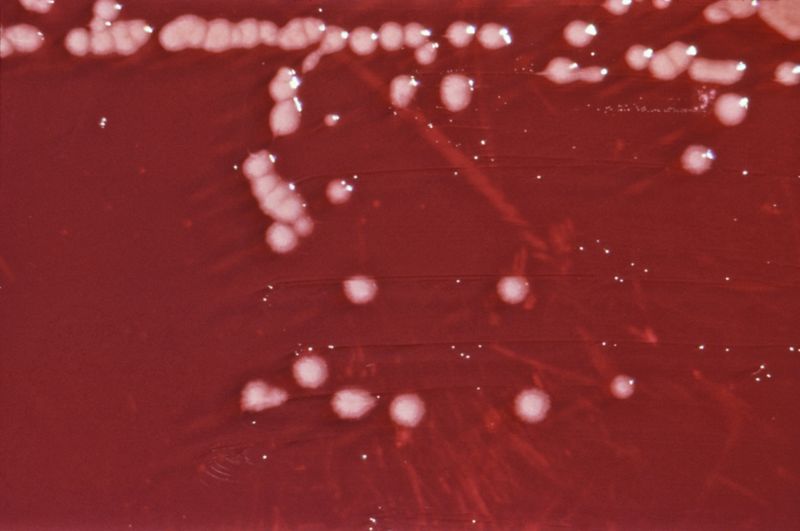
Clorox has recalled roughly 6.3 million bottles of scented Mistolin and Lestoil household cleaners sold in Puerto Rico and the U.S. Virgin Islands, after testing found some units may be contaminated with a bacterium that can cause serious infections in people with weakened immune systems. The recall notice, posted by the U.S. Consumer Product Safety Commission on September 3, was issued by Clorox Manufacturing Company of Puerto Rico, the subsidiary that produces the two regional cleaning brands for island markets. No injuries or illnesses had been reported as of the notice's publication.
The recalled products are not sold on the U.S. mainland. Mistolin and Lestoil are legacy brands marketed almost exclusively in Puerto Rico and, to a lesser extent, the Virgin Islands, where they have been household staples for decades. That regional footprint means the recall has drawn far less national attention than a mainland cleaning-product pull would, even though the volume involved is large by any measure.
The scope of the recall
The recall covers scented Mistolin Dilutable Cleaners in nine varieties, including Frescura Tropical, Manzana y Canela and Pino y Especias, along with Lestoil Heavy Duty Multi-Purpose Cleaners in four scents, among them Energía del Yunque and Olas de Rincón. Affected bottles come in 28-, 40-, 64- and 128-fluid-ounce sizes and were sold at Walmart, Sam's Club, Costco, and regional chains such as Supermercados Econo and Supermercados Selecto, at prices ranging from roughly $1.40 to $8.
Only bottles with a date code beginning "PR01," followed by a five-digit number between 25091 and 26168, are included, corresponding to production between April 1, 2025, and June 17, 2026. The window spans more than a year of manufacturing, and the products in question moved through mainstream retail rather than a single distribution channel, which is part of why the CPSC-approved remedy process asks consumers to submit photographs of the code before disposal rather than simply return the bottle for a refund at a store shelf.
How a cleaning product became a bacterial risk
The organism at issue, Pseudomonas aeruginosa, is common in soil and water and turns up periodically in liquid consumer products, medical devices and hospital water systems because it can survive and even multiply in damp environments that lack sufficient preservative. According to the Centers for Disease Control and Prevention's overview of the bacterium, it is a leading cause of infections in hospitalized patients, particularly those on ventilators or with catheters, surgical wounds or burns, and drug-resistant strains caused an estimated 32,600 infections and 2,700 deaths among hospitalized Americans in a single recent year the agency tracked. People with intact immune systems are typically unaffected by exposure.
People with weakened immune systems or external medical devices who are exposed to Pseudomonas aeruginosa face a risk of serious infection that may require medical treatment.
That warning, drawn directly from the CPSC notice, frames the risk calculus behind the recall: the bacteria pose little danger to most healthy adults using the cleaners for ordinary household chores, but the agency and Clorox are not waiting for illnesses to surface before acting. The company has not publicly detailed how the contamination was discovered, though liquid cleaning and personal-care products are subject to microbial testing during manufacturing, and it is not unusual for such testing, rather than consumer complaints, to trigger a recall before any harm occurs.
Who is affected, and the reaction so far
The recall lands squarely in Puerto Rico and the U.S. Virgin Islands, two jurisdictions with large elderly and medically vulnerable populations and, in the Virgin Islands' case, a tourism economy where vacation rentals and hotels routinely stock multipurpose cleaners like Mistolin and Lestoil for housekeeping. The Virgin Islands Department of Licensing and Consumer Affairs relayed the recall to territorial consumers on September 5, and local coverage in the territory has emphasized checking cabinets in short-term rentals and commercial properties as well as private homes, since cleaning staff and property managers are among the heaviest users of large-format bottles.
Health outlets covering the recall have focused on the population most at risk. Reporting on the recall's health implications has noted that people undergoing chemotherapy, organ transplant recipients, those on dialysis, and anyone with an indwelling catheter or feeding tube face the greatest exposure risk if they come into contact with a contaminated bottle, whether through inhaling cleaning mist, splashing it in the eyes, or contact with broken skin. No hospitalizations or confirmed infections tied to the recalled cleaners had been publicly reported as of this week, which officials and consumer advocates have generally treated as a sign the recall was issued proactively rather than in response to a cluster of illnesses, though CPSC recalls are frequently updated as new incident reports come in during the weeks after an initial notice.
What happens next
Clorox is offering full refunds rather than replacement bottles, an approach the company sometimes reserves for contamination-related recalls where it cannot guarantee that even unopened stock is unaffected. Consumers with a qualifying bottle are directed to stop using it immediately, photograph the 12-digit UPC code and the date code, and register the product through the recall's dedicated claims portal or by calling Clorox's toll-free recall line, open from 8 a.m. to 8 p.m. Eastern time. The company is asking that recalled bottles be discarded in their original containers with regular household trash rather than poured down a drain, and refunds are being issued whether or not the consumer retained a receipt, based on the product's suggested retail price.
The CPSC typically keeps recall pages open for updates as more consumer reports arrive, and a wider-reaching change, such as an expanded date-code range or an added product line, remains possible if testing turns up additional contaminated batches. For now, the agency's guidance to residents of Puerto Rico and the Virgin Islands is straightforward: check any Mistolin or Lestoil bottle in the affected scent lines and size range against the date-code window before using it again, and treat continued use, especially by anyone medically vulnerable, as a genuine infection risk rather than a routine cleaning chore.

UK Flight Chaos Enters Second Day After Air Traffic Control Failure

Consumer product safety agency regains quorum after yearlong standoff over fired commissioners

U.S. cyclosporiasis outbreak becomes worst on record, CDC data show
