CPSC has now recalled a dozen electric pressure washer brands this year for the same missing safety part
Two more recalls issued Aug. 27 bring to at least twelve the number of electric pressure washer brands — nearly all sold through Amazon — pulled this year for lacking a ground-fault circuit interrupter that guards against fatal shocks.
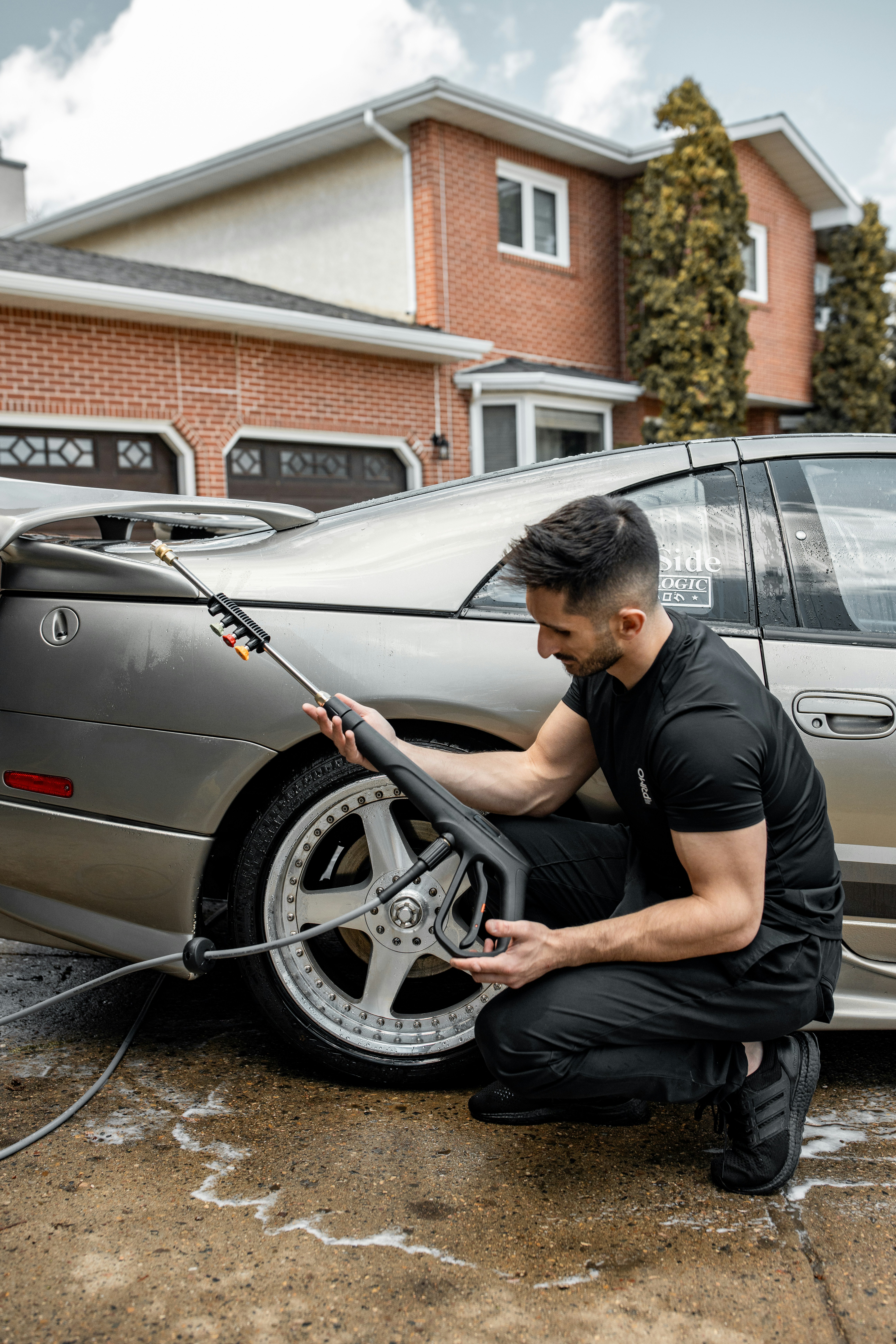
Federal regulators recalled two more brands of electric pressure washers on Aug. 27, extending a pattern that has now touched at least a dozen brands sold mostly through Amazon this year, all cited for the same missing safety device: a ground-fault circuit interrupter, or GFCI, that shuts off power before a short can send a fatal shock through the user.
The Consumer Product Safety Commission's Aug. 27 recall notice added pressure washers sold under the YERYORK name to a list that has grown steadily since spring, alongside a companion recall for Steelite-branded washers imported by a company called Longer 3D. Neither recall involves large numbers: YERYORK's recall notice to customers covers roughly 300 units of its YE006 model sold on Amazon between March 2025 and June 2026 for about $120. But taken together with the recalls that preceded them, they describe a supply chain in which low-cost, private-label electric pressure washers keep reaching American driveways and patios without a component that has been a standard safety feature on name-brand models for decades.
The numbers
Since April, the CPSC has recalled electric pressure washers sold under the names BAYOTAK USA, DGIVOVO US, Agiiman, Patoolio Direct, Le Hao Tool, Sweetcrispy and Fengrong Tool, followed in August by SUGIFT and COMMOWNER on Aug. 13, Workbless on Aug. 20, and YERYORK and Steelite on Aug. 27. The recall dates and model numbers show a cluster of activity in the past three weeks alone. Unit counts vary widely: YERYORK's recall covers about 300 washers, while the Workbless recall — announced in the CPSC's Aug. 20 release — covers roughly 2,200 units of its WB0301 and WB0302 models, sold for $97 to $140 not just on Amazon but also at Best Buy, Kohl's, Lowe's, Overstock, Target and Walmart. Prices across the recalled brands generally run from about $45 to $150. In two additional cases, the agency went further than a standard recall: it posted public warnings in April telling consumers to stop using SEN-QII and Vlaseo pressure washers immediately after the two China-based sellers would not agree to a recall at all.
How we got here
GFCI protection on pressure washers is not a new idea. The devices, which cut power within milliseconds of detecting current leaking to ground, became a standard feature on major brands after a string of electrocutions decades ago involving corded tools used near water. It is a comparatively simple part to include, and its absence on a modern electric pressure washer is generally read by safety engineers as a sign the product was never tested against the voluntary industry standard before it was imported and listed for sale.
What has changed is the retail path these products take to reach buyers. Nearly every recalled unit was sold through Amazon.com by importers or "private label" sellers — companies that source generic hardware from overseas manufacturers, attach a brand name, and list it directly on the marketplace with little of the pre-market testing a big-box retailer's own supply chain would typically require. That structure has drawn scrutiny well beyond pressure washers: the CPSC ruled in 2024 that Amazon itself qualifies as a legal "distributor" of hazardous products sold through its Fulfilled by Amazon program and ordered the company to notify buyers and offer refunds for hundreds of thousands of defective items, a decision Amazon is now fighting in federal court. The pressure washer recalls sit downstream of that same marketplace dynamic, brand after brand, even as the underlying legal fight over who bears responsibility remains unresolved.
Who is affected
The buyers here are largely homeowners who purchased a budget pressure washer for driveway, siding, deck or patio cleaning rather than shoppers seeking out a recognized power-tool brand at a hardware store. Late summer is peak season for that kind of outdoor cleaning, which means recalled units bought over the past one to two years may still be in active use in garages and sheds. The CPSC has not reported any injuries tied to the pressure washer recalls to date, but the hazard is described identically across every notice: without a working GFCI, a fault inside the motor or wiring can route current through water pooling underfoot directly into the person holding the wand. Consumers who own an affected model are generally instructed to stop using it immediately, cut the power cord to disable it, photograph the damage and send proof to the seller in exchange for a refund — a process each recalled brand has implemented somewhat differently.
Reaction
The pressure washer cases have not drawn the same public attention as some of Amazon's other flagged product categories, but they land amid a broader argument over who is accountable when hazardous goods move through online marketplaces. Consumer Reports has been among the most vocal critics of Amazon's position that hosting third-party listings should not carry the same legal obligations as a traditional retailer.
"It's absurd to suggest that because a company hosts a marketplace online it should be exempt from sensible requirements that help get hazardous products out of people's homes and prevent them from being sold," said William Wallace, Consumer Reports' director of safety advocacy.
Industry commentary has tracked the same pattern from a buyer's-guide angle: a review site that has followed the recalls, Power Tools Insider, has advised readers that GFCI protection is standard on name-brand electric pressure washers and required by code for most outdoor outlets, making its absence on an unfamiliar Amazon listing a reasonable reason for suspicion on its own.
What happens next
None of the individual recalls announced so far is large by CPSC standards, and the agency has not signaled a marketplace-wide pressure washer initiative the way it has, for instance, with certain infant sleep products. But the frequency of new entries — three brands in the past three weeks alone — suggests the agency's routine surveillance of Amazon listings keeps turning up new noncompliant units faster than sellers pull them down voluntarily. The unresolved Amazon litigation over distributor liability, still pending in federal court in Maryland, will not directly determine whether any single pressure washer brand gets recalled, but its outcome could reshape how aggressively the marketplace itself is expected to police listings like these before a customer ever plugs one in.

Airlines no longer owe meals or hotels for 10 types of delays, starting Monday

Broccoli sprouting seed recalls widen as FDA traces salmonella outbreak to a seed supplier

Hospitals Told to Pull Blood Thinner Argatroban Over Contamination Risk
