CPSC recalls SHEIN bear-shaped magnets over child ingestion, death risk
The Consumer Product Safety Commission recalled about 4,640 sets of bear-shaped refrigerator magnets sold online by SHEIN, saying loose high-powered magnets inside can be swallowed by children and cause fatal intestinal injuries.
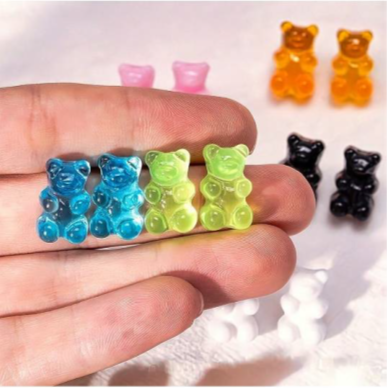
The Consumer Product Safety Commission recalled about 4,640 sets of bear-shaped refrigerator magnets sold by SHEIN Distribution Corporation, warning that loose magnets inside the decorative pieces can separate, be swallowed by children and cause fatal intestinal injuries. The recall notice posted Sept. 10 covers gummy-bear-shaped magnet sets sold in packs of 10, 20 and 30 pieces, in an assortment of colors, exclusively through SHEIN's website between May 2025 and February 2026 for $3 to $4 a set.
The agency said the magnets violate the federal mandatory standard for magnet products because individual pieces can detach from the decorative housing. If more than one magnet, or a magnet and another small metal object, is ingested, the pieces can attract each other through the walls of the intestines after they have passed into separate loops of bowel. No injuries had been reported as of the notice's publication, and CPSC has not received confirmed reports linking these specific sets to a hospitalization.
The ingested magnets "can result in perforations, twisting, and/or blockage of the intestines, blood poisoning and death," the Consumer Product Safety Commission said in its recall notice.
A hazard the government thought it had already fixed
Small, powerful rare-earth magnets sold as adult desk toys and, more often, embedded in cheaply made children's products, have been a recurring target of federal regulators for more than a decade. CPSC data cited in the agency's own rulemaking record show an estimated 26,600 magnet-ingestion cases were treated in hospital emergency rooms between 2010 and 2021, with at least eight deaths documented over roughly the same period, and case counts trending upward through the back half of that span.
After an earlier ban on high-powered magnet sets was struck down by a federal appeals court in 2016, the commission rewrote the rule and, in 2022, approved a federal safety standard the commission finalized that limits how strong a small magnet can be if it is capable of fitting inside a child's mouth. Regulators codified the limits in the Federal Register as 16 CFR Part 1262, which took effect in 2023. The SHEIN magnets named in this week's recall failed to meet that flux-strength threshold, according to the agency.
What was sold, and what buyers should do
The recalled sets were marketed on SHEIN.com as decorative kitchen and locker accessories rather than toys, a distinction that does not exempt them from the magnet standard, which applies to any consumer product containing one or more loose, separable magnets small enough to be swallowed. SHEIN, the importer of record, is offering a full refund to anyone who bought the sets. Consumers are instructed to stop using the magnets immediately, keep them away from children, and contact the company at 833-853-8668 or by email at [email protected] to arrange the refund; the process requires buyers to confirm they have thrown the product away, generally by submitting a photo of the discarded magnets.
The magnet recall was one of ten the commission posted that same day, a batch that also included a children's sleepwear line separately sold through SHEIN's marketplace for violating federal flammability rules — underscoring how frequently products distributed through the fast-fashion platform have drawn compliance actions from CPSC over the past year. Coverage that followed, including a report that flagged the magnet recall for its ingestion-injury details and a regional roundup that grouped it among several unrelated recalls issued the same week, treated the magnets as part of a broader pattern of imported, low-cost children's and household goods failing to meet U.S. safety rules before reaching American buyers.
Why pediatric clinicians treat magnet ingestion differently
Physicians who treat pediatric gastrointestinal injuries have long distinguished magnet ingestion from other swallowed-object cases because a single magnet passing through the digestive tract typically causes no harm, while two or more magnets, or a magnet paired with any other metal item, can pull toward each other from adjacent loops of intestine. The tissue trapped between them loses its blood supply, and if the exposure is not identified quickly, that can progress to perforation, infection and, in the most severe cases, death. Because early symptoms can resemble a routine stomach bug — vomiting, abdominal pain, low-grade fever — cases are sometimes not recognized as a magnet ingestion until imaging is performed, one reason regulators emphasize immediate removal of noncompliant products from homes rather than reliance on parents to notice a swallowing incident in real time.
The commission's broader Sept. 10 posting, viewable in full on the agency's central recall listing, also covered unrelated hazards ranging from a motorcycle engine defect to a gas range missing a required safety cap, a reminder that the agency's recall docket moves through unrelated categories on the same weekly cycle rather than in response to any single trend. For the magnet sets specifically, the agency's instruction to consumers was unambiguous: stop using the product, separate it from children immediately, and do not wait for a formal injury report before discarding it.
SHEIN did not respond to a request for additional comment on the recall beyond the information contained in the CPSC notice. The company's dedicated recall page lists the affected SKU, sh2403211731230106, and directs customers to its refund process.
A pattern regulators keep flagging in low-cost online retail
The magnet recall arrives amid sustained scrutiny of ultra-low-cost, direct-to-consumer platforms whose product catalogs turn over so quickly that individual listings, and the factories behind them, can be difficult for any single regulator to vet before goods ship to American buyers. Magnet sets marketed as jewelry, desk toys or, as in this case, refrigerator decorations have proven especially persistent offenders because sellers frequently list them outside a site's toy or children's category, even though the federal standard applies by hazard rather than by how an item is marketed. A magnet product intended for an adult's desk is covered by the same flux-strength limit as one sold as a child's toy, because CPSC's rule is written around the physical risk of ingestion rather than the stated age of the intended user.
For households that already have small magnetic sets on hand, whether purchased from SHEIN or elsewhere, the recall is a prompt to check them against the current federal limit rather than assume compliance based on where or when they were bought. Consumers who are unsure whether a magnet product they own meets the 2023 standard can compare it against listed recalls on CPSC's site or contact the manufacturer directly; the agency's general guidance is that any set of small, separable magnets strong enough to pinch through several layers of skin should be kept away from young children regardless of its recall status, since enforcement catches only the products regulators have already identified.

Triumph Recalls 1,560 TF 450 Motocross Bikes After Engine Defect Tied to Rider's Broken Bone

AGA and La Cornue recall thousands of luxury ranges over gas leak risk
CPSC Recalls 180,000 Light-Up Toys Over Exposed Button Batteries That Can Kill Children
