Cuisinart Grill Brush Recall Grows to 3.6 Million Over Choking, Injury Risk
Conair has expanded a recall of Cuisinart wire-bristle grill brushes to 3.6 million units after more reports of the thin metal bristles breaking off into food — the third major grill-brush recall of the year as regulators push manufacturers toward bristle-free designs.
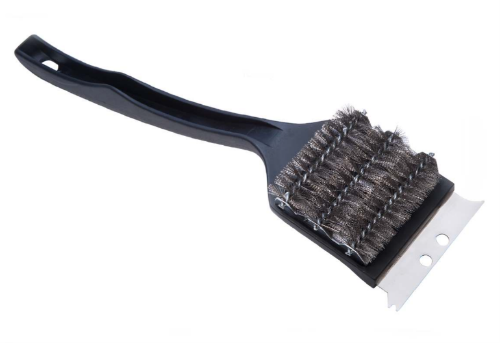
Conair LLC has more than doubled the size of a recall of Cuisinart-brand grill brushes, pulling in another 1.9 million units after additional reports that the tools' thin metal bristles can snap off and end up on food. The expanded recall notice, posted by the U.S. Consumer Product Safety Commission on Wednesday, brings the total number of affected brushes to 3,625,800, combining the new units with 1.7 million recalled in July.
The agency and Conair say the wire bristles can detach during cleaning, stick to a grill grate or to food, and then be swallowed, creating a risk of injuries to the mouth, throat or digestive tract serious enough in some cases to require surgery. No deaths have been reported.
What the recall covers
The expansion adds 13 model numbers to the eight covered in the original July recall, for 21 Cuisinart brush styles in total, including versions with black plastic, stainless-steel and wood handles. The brushes were sold nationwide at Walmart, Burlington, TJ Maxx and Ross, and online through Amazon and Cuisinart's own site, for $8 to $20 apiece, over a strikingly long stretch: from June 2009 through this past March. They were manufactured in China and imported by Conair, which is based in Stamford, Connecticut.
Conair told the CPSC it is aware of at least 54 reports of bristles coming loose, including three in which consumers swallowed a bristle and needed medical treatment to remove it from the throat or digestive tract. Anyone who owns one of the recalled brushes is being told to stop using it immediately.
- Check the model number against the list on the recall notice or at recallrtr.com/grillbrushes.
- Stop using the brush right away and do not attempt to keep it for other cleaning tasks.
- Contact Conair at 888-520-1304 (weekdays, 8:30 a.m. to 6 p.m. ET) or through the recall site for a refund or a Cuisinart.com credit worth the purchase price plus 20 percent.
- Discard the brush rather than donating or reselling it, as instructed in the recall notice.
A hazard regulators have flagged for over a decade
Loose wire bristles are not a new concern. The Centers for Disease Control and Prevention first documented the problem in 2012, describing a cluster of patients in Providence, Rhode Island, who had swallowed grill-brush bristles hidden in food between 2009 and 2012, several of whom needed procedures to remove them from the throat. The pattern identified then — a bristle small enough to go unnoticed on a burger or a piece of chicken, sharp enough to lodge in soft tissue once swallowed — is essentially the same one described in this week's recall notice.
What has changed is the scale of the response. The Cuisinart recall is the third major wire-bristle grill brush action the CPSC has taken this year. In February, the agency announced the recall of roughly 3.2 million Weber-brand grill brushes after the company logged dozens of reports of detached bristles, including four that required medical care. That was followed weeks later by a recall of more than 10 million Nexgrill-brand brushes, at the time the largest of its kind. Together with the Cuisinart units, well over 15 million wire-bristle grill brushes have now been pulled from the market in 2026 alone, according to reporting on the expanded Cuisinart action.
"Consumers should not wait until grilling season arrives to take action on this recall. CPSC strongly urges consumers to act now, stop using and discard grill brushes with metal wire bristles, and switch to non-wire alternatives," CPSC Chairman Peter A. Feldman said in a statement accompanying the Weber recall in February.
Who is affected
Given how long the recalled Cuisinart brushes were sold — 17 years, across five major retail chains — the affected population is broad and likely includes brushes that have long since been forgotten in garages, garden sheds or the drawer beside a backyard grill. Households that grill regularly, and particularly those who have owned more than one grill or brush over the past two decades, are the most likely to have a recalled unit without realizing it, since the bristle problem tends to worsen with wear rather than appear immediately after purchase.
The injury pattern described by the CPSC and by outside researchers skews toward people who eat what comes off the grill rather than those doing the cleaning: a bristle that survives cooking can be swallowed painlessly and only cause symptoms — throat pain, difficulty swallowing, abdominal pain — after it has already lodged somewhere in the digestive tract. A local television report on the recall noted that federal estimates put wire-bristle-related emergency room visits at well over 100 a year nationally, a toll regulators say is almost certainly undercounted because many cases are never traced back to a grill brush.
What happens next
The CPSC has been pushing for a structural fix rather than a string of one-off recalls. In 2024 the agency asked ASTM International, the standards-writing body, to develop a formal safety standard for grill brushes; ASTM subsequently formed a subcommittee dedicated to the bristle-detachment problem, though no finished standard has yet taken effect. In the meantime, the agency's consistent advice — repeated in the Weber, Nexgrill and now Cuisinart notices — is for consumers to switch to brushes without exposed wire bristles, such as nylon-bristle, coiled-design or scraper-style cleaning tools, and to visually inspect grill grates before cooking.
Conair says it will continue accepting refund and credit claims tied to the recalled Cuisinart models with no stated end date. Consumers who are unsure whether a brush in their possession is covered are directed to check the full list of model numbers on the CPSC notice, since the agency has shown a pattern of expanding, rather than closing out, these recalls as more incident reports come in.

Airlines no longer owe meals or hotels for 10 types of delays, starting Monday

Broccoli sprouting seed recalls widen as FDA traces salmonella outbreak to a seed supplier

Hospitals Told to Pull Blood Thinner Argatroban Over Contamination Risk
