FDA Clears Updated COVID-19 Vaccines for Fall, but With Narrower Eligibility Than Past Years
Pfizer-BioNTech, Moderna and Novavax-Sanofi shots targeting the dominant XFG variant are shipping now, but with no CDC advisory committee recommendation in place to guide insurance coverage or pharmacy access.
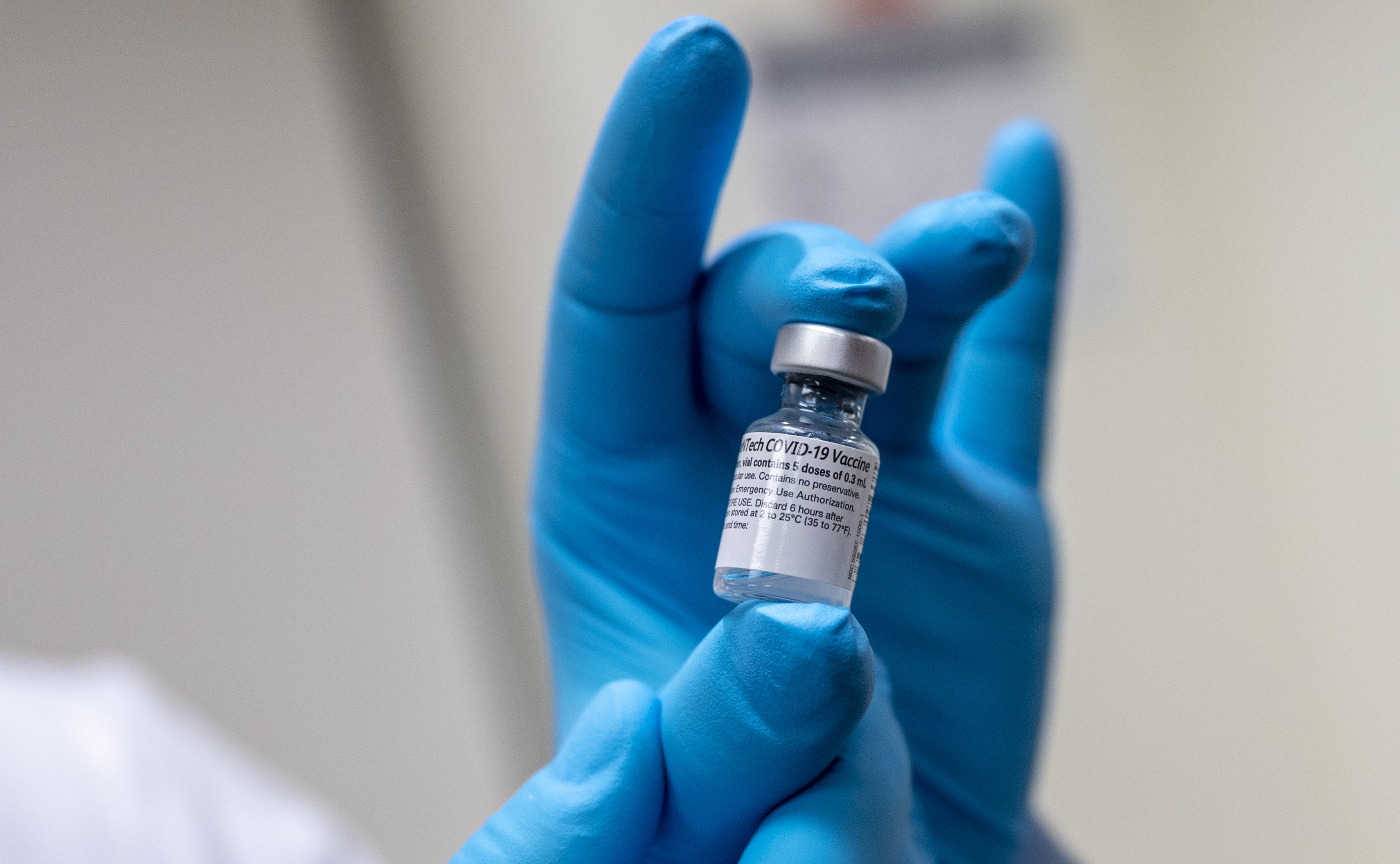
The Food and Drug Administration has approved updated COVID-19 vaccines from Pfizer-BioNTech, Moderna and the Novavax-Sanofi partnership for the 2026-2027 respiratory season, clearing shots reformulated to target the XFG variant now dominant in the United States. The approvals, announced Thursday by Pfizer and BioNTech and matched by filings from the other two manufacturers, arrive weeks earlier than in past years and come with eligibility rules substantially narrower than the near-universal recommendations that defined the vaccine's first several seasons on the market.
Shipments began moving to pharmacies, hospitals and clinics immediately after approval. But this year's rollout is unfolding without the customary follow-on step: a formal recommendation from the Centers for Disease Control and Prevention on who should get the shots and, by extension, whether insurers must cover them at no cost.
What happened
The FDA approved four distinct vaccines built on the same updated target. Pfizer-BioNTech's Comirnaty XFG is approved for adults 65 and older and for people ages 5 through 64 with an underlying condition that raises their risk of severe COVID-19. Moderna's Spikevax carries a similar label for ages 6 months through 64 with a high-risk condition, plus everyone 65 and up, while the company's lower-dose mNEXSPIKE is cleared for high-risk individuals 12 through 64 and adults 65 and older. The Novavax-Sanofi shot, Nuvaxovid, a protein-based alternative to the mRNA vaccines, is authorized for the same 12-through-64 high-risk group plus seniors.
All three manufacturers said the updated formulas are built around the JN.1-lineage XFG subvariant, according to FDA guidance on the 2026-2027 vaccine formula, which had directed manufacturers in the spring to move away from the LP.8.1 target used in last year's shots. Pfizer said its data show a strong immune response not just against XFG but against several newer descendant lineages already in circulation.
The numbers
The eligibility rules mark a sharp departure from the blanket recommendation that applied to essentially every American 6 months and older during the pandemic's early seasons. This year, roughly four vaccine formulations are on the market, each carrying its own narrow label rather than one shot with one simple recommendation. Independent estimates built on CDC genomic surveillance data put the XFG lineage's share of sequenced U.S. cases at a large majority of current infections, and CDC surveillance has shown COVID-19 activity climbing in most states through August, consistent with the late-summer pattern the virus has followed in recent years.
Moderna's mNEXSPIKE, notably, uses about one-fifth the messenger RNA dose of standard Spikevax while targeting only the spike protein's receptor-binding and N-terminal domains rather than the full protein — a manufacturing distinction that has no accompanying federal guidance on when a clinician or patient should choose it over the full-strength shot.
How we got here
The narrower labels are downstream of a year of upheaval at the CDC's vaccine advisory apparatus. Health and Human Services Secretary Robert F. Kennedy Jr. moved in 2025 to overhaul the Advisory Committee on Immunization Practices, replacing longtime members and directing the agency to stop recommending COVID-19 vaccination for healthy children and pregnant people. A federal judge in Massachusetts froze those appointments and the revised schedule in March, finding the reconstituted committee likely violated federal advisory-committee law, and stayed the votes the panel had already taken. The litigation remains unresolved, and no ACIP meeting has been scheduled to formally recommend the 2026-2027 COVID-19 vaccines before this fall's vaccination season begins.
That leaves the FDA's product-by-product approval as the only federal action on the record for now — a decision about whether a vaccine is safe and effective, not about who specifically should receive it. Historically those two questions have moved together; this year they have not.
Who is affected
The practical effect falls hardest on healthy adults under 65 and on parents of healthy children, groups that received automatic, no-cost access to COVID-19 boosters in prior seasons but now fall outside every manufacturer's approved label unless a clinician documents a qualifying condition. Because the Affordable Care Act ties no-cost insurance coverage to a vaccine's ACIP recommendation status, the absence of a current committee vote leaves coverage for those outside the labeled groups uncertain and dependent on individual insurers, employers and state mandates. Some states, including Pennsylvania, have separately ordered insurers to keep covering the vaccines through 2026 regardless of the federal committee's status, and New York has issued a similar directive. Elsewhere, people seeking a shot outside the approved age and risk groups may be turned away by pharmacists working under state-specific standing orders, or billed directly, with list prices commonly running $200 or more without insurance.
Reaction and what people are saying
Infectious-disease physicians have largely welcomed the update to the vaccine strain itself while criticizing the vacuum left by ACIP's absence. Dr. Amesh Adalja, an infectious-disease physician, said the underlying science behind the reformulation was sound even as the policy apparatus around it has stalled.
"The vaccine science this season is unremarkable in the best sense. The FDA approved updated shots from Pfizer-BioNTech, Moderna, and Novavax-Sanofi, all re-targeted to circulating variants. That is the system working as designed: track the dominant strain, update the vaccine, approve it before fall," Adalja told Healio, adding that the lack of clarity on choosing between Moderna's two shots was "precisely the sort of question a functioning ACIP would take up, and it is not being taken up."
Medical societies including the American Academy of Pediatrics and the Infectious Diseases Society of America have continued to publish their own vaccination guidance in ACIP's absence, encouraging vaccination for people who fall outside the FDA's narrowest labels but face elevated risk, including pregnant patients and young children with chronic conditions.
What happens next
No date has been set for an ACIP meeting to formally weigh in on the 2026-2027 COVID-19 vaccines, leaving insurers, pharmacists and state health departments to interpret the FDA's product labels largely on their own as the fall respiratory season begins. The Massachusetts litigation over the committee's makeup continues, and its outcome will determine whether a reconstituted or restored ACIP eventually issues the kind of binding recommendation that has, in past years, settled questions of eligibility and cost within days of FDA approval. Until then, availability at a given pharmacy counter is likely to depend on where a patient lives, what insurance they carry and whether they can document a qualifying health condition.

Airlines no longer owe meals or hotels for 10 types of delays, starting Monday

Broccoli sprouting seed recalls widen as FDA traces salmonella outbreak to a seed supplier

Hospitals Told to Pull Blood Thinner Argatroban Over Contamination Risk
