Flowers Foods recalls Nature's Own Hawaiian Bread over undeclared milk
The bakery giant pulled two sizes of its sweet white bread from five states after discovering some packages omitted milk from the ingredient label, an error that can trigger severe allergic reactions.
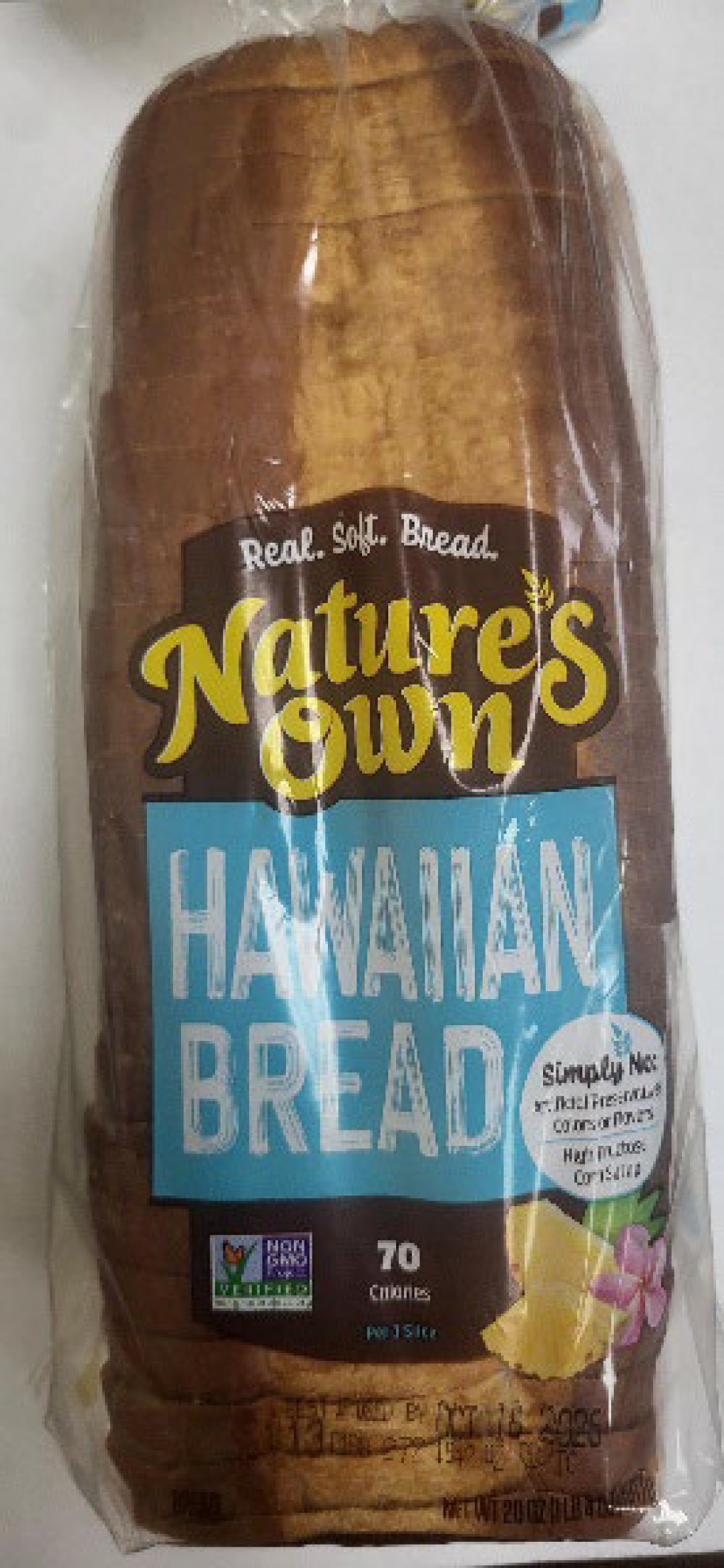
Flowers Foods, Inc. is recalling two package sizes of Nature's Own Hawaiian Bread sold in five states after finding that some loaves were missing milk from the ingredient label, according to a recall notice posted through the Food and Drug Administration. The Georgia-based bakery said it caught the error during a routine review of production records, not after any reported reaction, and that no illnesses had been linked to the bread as of the notice's publication this week.
The bread was distributed to retail stores in Arkansas, Louisiana, New Mexico, Oklahoma and Texas. For most shoppers the omission is a labeling technicality. For anyone with a milk allergy or severe sensitivity, it removes the one safeguard that is supposed to warn them away from a product that could trigger a reaction ranging from hives to anaphylaxis.
The products and the numbers
The recall covers Nature's Own Hawaiian Bread in a 20-ounce single loaf, UPC 0 72250 91662 2, and a 40-ounce two-pack, UPC 0 72250 00683 5. The affected 20-ounce loaves carry one of five production-code ranges stamped on the package, all with "best if used by" dates falling between Oct. 8 and Oct. 18, 2026. The notice listed no distinguishing codes for the 40-ounce two-pack, meaning any package of that size sold in the five affected states during the relevant window is included.
"People who have an allergy or severe sensitivity to milk may run the risk of an allergic reaction if they consume this product," the company said in the recall notice.
Flowers Foods has not said how many loaves were affected or how long the mislabeled packaging was in circulation. As is typical for a recall this early in the process, the FDA had not yet assigned it a numerical risk classification, the Class I, II or III rating the agency uses to signal the severity of a product problem; that determination is usually added to the agency's enforcement record one to three weeks after a recall is first announced.
How the mistake surfaced
Flowers Foods, headquartered in Thomasville, Georgia, is one of the country's largest packaged-bakery companies. The company's investor materials show brands including Dave's Killer Bread, Canyon Bakehouse, Simple Mills, Wonder and Tastykake alongside Nature's Own, with combined sales of $5.3 billion last year. The company said the labeling gap was discovered internally, through a review of its own production documentation, rather than through a consumer complaint or a government inspection. That is a common way allergen recalls originate: ingredient substitutions, packaging mix-ups or printing errors on a production line can slip past quality checks until a later audit catches the discrepancy.
Milk is one of nine foods that carry special legal status in the United States. Under the Food Allergen Labeling and Consumer Protection Act, a law that has required plain-language labeling of major allergens since it took effect in 2006, manufacturers must either name an allergen source directly in the ingredient list or spell it out in a separate "contains" statement. The FDA says on its own allergen guidance page that food allergies and related hypersensitivities affect millions of Americans and their families, which is why a missing word on a label, rather than a contamination event, is still treated as a recall-worthy safety issue.
A recurring category of recall
The Hawaiian Bread recall is not an isolated incident this year. FDA's recall log shows a steady run of undeclared-allergen cases moving through the food industry in 2026, including a Whole Foods Market cheese recall for undeclared egg in September, a soy allergen recall for J. Higgs potato chips and a shellfish allergen recall for Deano's Pasta the same month, and a milk allergen recall for Little Temptations chocolate candy in August. Trade publications have been tracking the pattern closely. Food Safety News reported the Hawaiian Bread recall the evening it was posted, noting that the company had received no reports of illness, while Food & Beverage Magazine noted that undeclared allergens remain among the most common triggers for food recalls nationally, often traced back to documentation lapses rather than contamination in the product itself.
Allergists distinguish a milk allergy, an immune-system response that can escalate quickly and in rare cases become fatal, from lactose intolerance, a digestive issue that causes discomfort but not a life-threatening reaction. Food labeling law targets the former. Packaged bread is not an obvious allergen risk to most shoppers, since many white and sweet breads are made without dairy, which is part of why an unlabeled ingredient in a familiar product can catch an allergic consumer off guard.
What consumers should do now
Flowers Foods is advising anyone who bought the affected bread to check the UPC, product code and best-by date against the recall notice. Products that match should be thrown away or returned to the store of purchase for a full refund. The company has set up a consumer relations line, 1-866-245-8921, staffed on weekdays from 8 a.m. to 5 p.m. Eastern, and said questions can also be submitted online.
The recall will remain active while Flowers Foods and the FDA monitor for any reports of allergic reactions tied to the product. The notice is listed on FDA's continuously updated public recall index, where updates to the affected lot numbers or distribution footprint would appear if the company expands the recall. For now, the company says the fix is straightforward: correcting the label on future production runs and pulling the mislabeled packages already on shelves in the five affected states.
FDA — Flowers Foods Issues Recall of Nature's Own Hawaiian Bread Due to Undeclared Milk
FDA — Food Allergen Labeling and Consumer Protection Act (FALCPA)
Food Safety News — Hawaiian Bread recalled because of undeclared milk
Food & Beverage Magazine — Flowers Foods Issues Recall of Nature's Own Hawaiian Bread
New guidelines could double the number of Americans diagnosed with iron deficiency
Medicare Advantage Premiums Are Falling for 2027 — but the Real Cost May Not Be
Cincinnati pizzeria recalls four frozen pizza varieties over undeclared soy allergen