Flu Season Arrives Months Early, Outpacing Last Year's Numbers
Federal data and hospital reports show influenza circulating well ahead of its usual winter peak, driven by a different strain than last season, with doctors urging people to get vaccinated now rather than wait.

Influenza is spreading across parts of the United States months earlier than usual this year, according to federal surveillance data and hospital reports, prompting doctors to push vaccination now instead of the traditional late-fall timeline. The Centers for Disease Control and Prevention's flu season guidance describes the current timing as several months ahead of a typical season, though still within the range of normal year-to-year variation.
Cases already climbing
Flu activity is rising earlier than usual this year, according to reporting by Live Science drawing on the CDC's weekly FluView surveillance hub, which notes that these early-season positive-test counts are still far smaller than the volumes seen at the height of a typical season. Activity has been particularly pronounced along the West Coast; public radio program Here & Now, produced by WBUR, reported rising cases stretching from Alaska to Hawaii and said Washington state had already recorded two flu-related deaths this season.
The strain mix has also shifted. In the week ending September 26, H1N1 accounted for 96 percent of U.S. cases tested for subtype, with H3N2 making up nearly all the rest — a reversal from last season, when H3N2 was dominant, according to a HealthDay report carried by health system PowersHealth.
Why the timing matters
Flu seasons in the U.S. typically build through the fall and peak between December and February, which is why public health officials generally recommend vaccination in September or October. An earlier start raises the practical question of whether that timing still holds, since protection from a flu shot can wane over several months. CDC vaccination guidance continues to recommend that essentially everyone six months and older get a seasonal flu vaccine, and doctors interviewed in the WBUR segment, including pulmonologist Dr. Vin Gupta, have echoed that advice given the early activity.
The CDC's own framing has been measured: agency officials describe the early timing as unusual but not alarming, noting that flu seasons vary considerably from year to year, and that a fast start does not necessarily predict an especially severe season overall. Still, the combination of an earlier start and a strain switch has been enough to change the advice doctors are giving patients this month: get the shot now rather than waiting for the traditional late-October or November window.
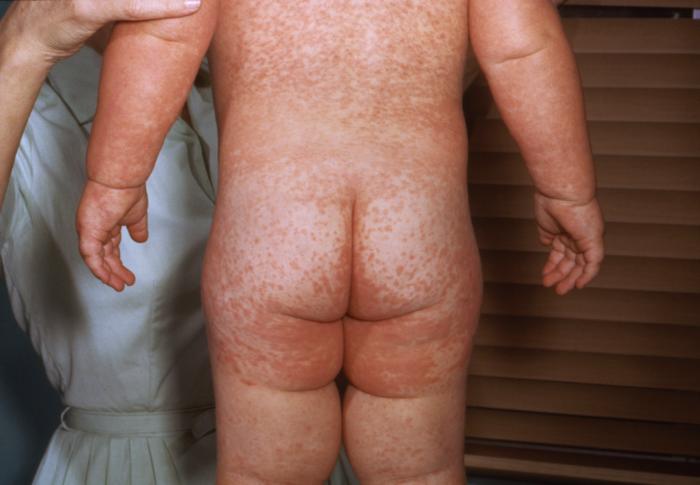
Pennsylvania's Measles Outbreak Tops 1,360 Cases as U.S. Nears a Historic Loss of Elimination Status

Single-Dose Psychedelic Nasal Spray Shows Rapid Relief in Hard-to-Treat Depression, Trial Finds

FDA warns pet owners after Salmonella is found again in Darwin's raw cat food
