Long Island food maker recalls its entire product line after third Listeria contamination in less than a year
Made Fresh Salads of Bay Shore, N.Y., is pulling every deli salad and cream cheese variety it makes after government and company testing found Listeria monocytogenes in its plant for the third time since October — the broadest recall yet at a facility with a recurring contamination problem.
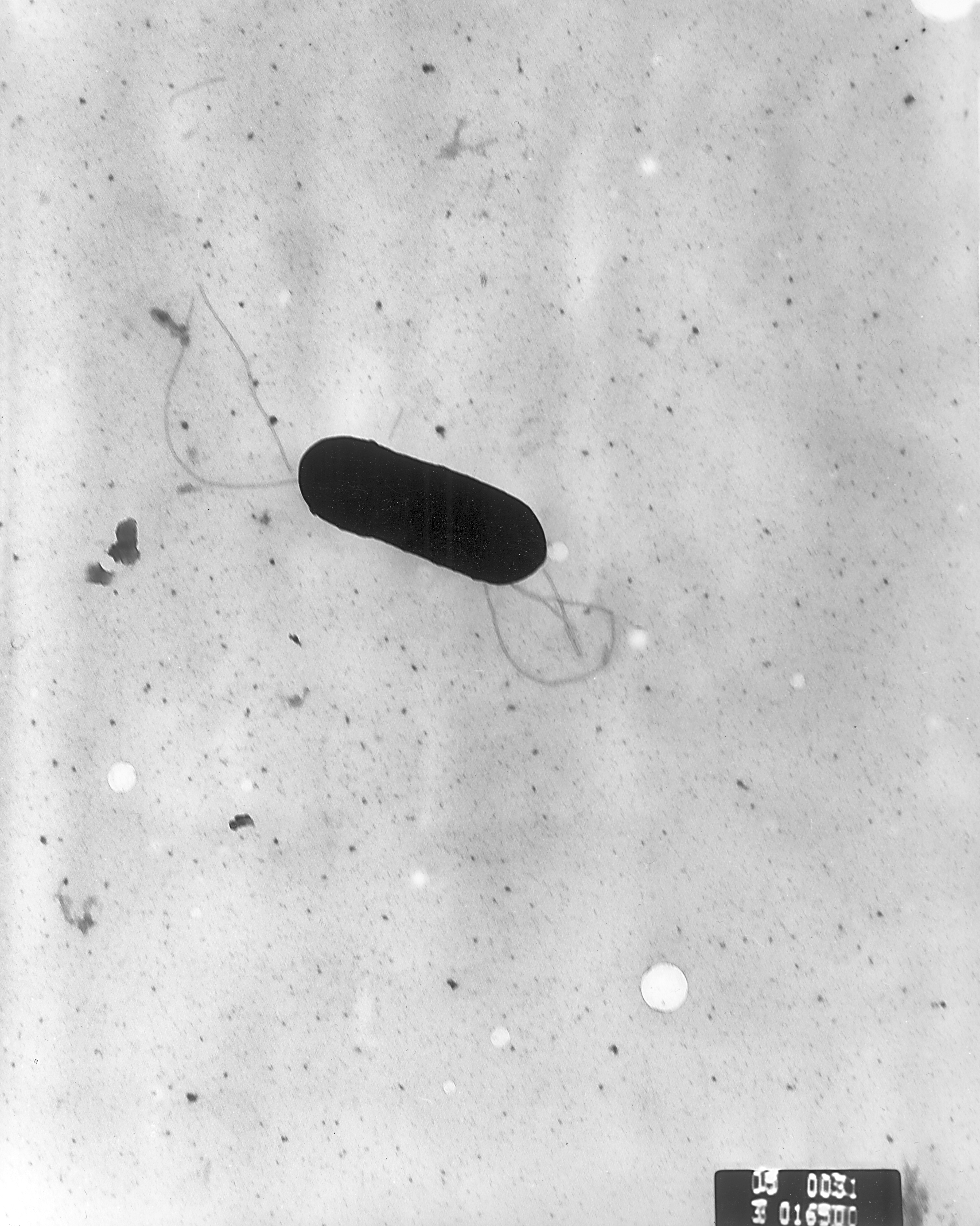
A Long Island food manufacturer has recalled its entire line of ready-to-eat deli salads and cream cheese after inspectors found Listeria monocytogenes in its production facility, the third time in under a year that the same plant has been linked to the bacterium. The action, announced by Made Fresh Salads Inc. on September 6, covers essentially everything the Bay Shore, N.Y., company produces, rather than a single flavor or product line.
The recall includes ready-to-eat deli salads sold in vegetable, seafood and pasta varieties, more than a dozen flavors of cream cheese, and side items such as puddings, croquettes and crabcakes, packaged under the Made Fresh Salads and Northside brand names in 5-pound and 30-pound containers. Affected products carry expiration dates from September 3 through September 18, 2026, printed on the bottom left of the label. The company said the products were distributed by direct delivery to retail stores and distributors in Brooklyn, Queens, the Bronx and other parts of New York City.
A pattern of contamination
The recall traces to environmental sampling conducted jointly by the company and the Food and Drug Administration, which found Listeria monocytogenes in parts of the Bay Shore facility. It is the third time in eleven months that testing has turned up the pathogen at the same plant. In October 2025, inspectors from the New York State Department of Agriculture and Markets found Listeria in the company's macaroni salad and tuna deluxe salad, triggering a recall that the FDA classified as Class I, its most serious designation, reserved for situations where there is a reasonable probability a product will cause serious illness or death. In February, the company's own routine sampling found the bacterium on a mixer used to make its cream cheese and tofu spreads, prompting a recall of fourteen flavors that was likewise later upgraded to Class I.
No illnesses have been linked to any of the three recalls, according to the company and the FDA. Consumers who bought the affected salads or cream cheese are being told to discard them or return them to the place of purchase for a refund; the company has set up a phone line, at (718) 765-0082, to field questions.
Why the bacterium keeps returning
Food-safety specialists say the repeated findings point away from a one-time lapse and toward a structural problem inside the plant itself. Bill Marler, a food-safety attorney who has represented plaintiffs in outbreak litigation and publishes Food Poison Journal, wrote of the latest recall that a bacterium reappearing in the same building for a third time is rarely explained by bad luck alone.
"When Listeria keeps reappearing in the same building, the usual explanation is not a run of bad luck. It is a resident strain living in a harborage site — a floor drain, a hollow equipment leg, a cracked gasket, a wet seam in a cooler panel," Marler wrote.
Unlike many foodborne pathogens, Listeria monocytogenes can survive and even multiply at refrigerator temperatures, which allows it to persist for long periods in cold, damp corners of processing equipment if it is not fully eradicated. Federal and state officials generally require plants that turn up positive results to identify and remove the "harborage site" — the specific piece of equipment or structural feature where the organism has taken hold — rather than simply discarding the contaminated batch, precisely because the bacterium tends to recur if the underlying source is not found.
Who is most at risk
The FDA and the Centers for Disease Control and Prevention warn that listeriosis, the illness caused by the bacterium, disproportionately threatens a narrower group of people even though most healthy adults who ingest it experience no symptoms or a mild, short-lived gastrointestinal illness. According to the CDC, invasive infection can produce fever, muscle aches, headache, stiff neck, confusion, loss of balance and convulsions, typically within two weeks of eating contaminated food, and the agency estimates that roughly one in six people who develop invasive disease dies from it.
Pregnant women face a distinct danger. The FDA notes that pregnant women are about ten times more likely than the general population to contract listeriosis, and that the infection often produces only mild, flu-like symptoms in the mother while still crossing the placenta. The agency's food-safety guidance for expectant mothers warns that the result can be miscarriage, stillbirth, premature delivery or life-threatening infection in a newborn. Older adults and people with weakened immune systems are also considered high-risk groups.
- Recall announced: September 6, 2026, by Made Fresh Salads Inc. of Bay Shore, N.Y.
- Scope: all ready-to-eat deli salads and all cream cheese flavors made by the company, plus puddings, croquettes and crabcakes
- Distribution: Brooklyn, Queens, the Bronx and other New York City-area retailers and distributors, direct delivery only
- Prior incidents: Class I recalls in October 2025 and February-March 2026 tied to the same facility
What happens next
The recall notice does not specify a formal FDA severity classification for the September action, though the agency generally assigns one within several weeks of a recall's start, as it did with the two earlier incidents at the same plant. Because distribution was limited to direct retail delivery in the New York City boroughs rather than through a national supermarket chain, consumers in many cases will not see a store-brand label identifying Made Fresh Salads as the manufacturer, which food-safety advocates say complicates the recall's reach; shoppers who bought loose deli salad or bulk cream cheese from a corner grocery or bodega in the affected boroughs may not know which supplier made it. The FDA has advised anyone who purchased the recalled products and later develops fever, muscle aches or gastrointestinal symptoms to contact a healthcare provider and mention possible Listeria exposure, given that symptoms can take up to several weeks to appear. The agency's enforcement database will list a formal classification once its review of the case is complete, and health authorities in New York City and State are expected to continue monitoring the facility given its recent history.

Indiana Snack Maker Recalls Bacon-Cheddar Chips Over Undeclared Soy

Magnetic Toy Recalled After Two Children Hospitalized From Swallowing Loose Parts

Sauna maker recalls 53,000 units after fire risk and a failed bench-collapse fix
