Michigan cyclospora outbreak tops 14,700 cases as national lettuce-linked total nears 20,000
A parasitic outbreak traced to Taylor Farms iceberg lettuce has become one of the largest foodborne illness events in recent U.S. history, with Michigan alone reporting more than 14,700 cases and two deaths.
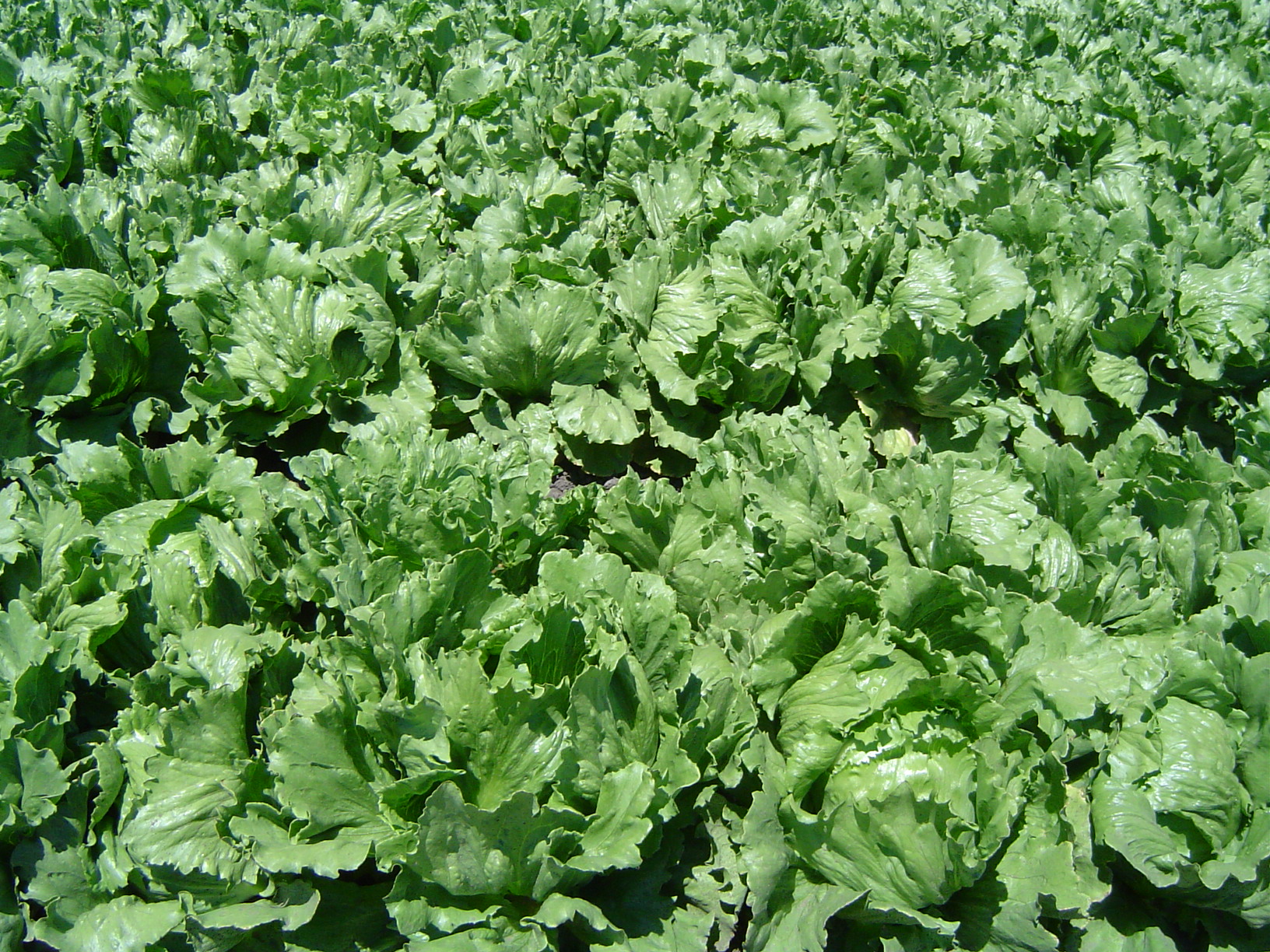
Michigan's health department reported more than 14,700 confirmed cases of cyclosporiasis as of Sept. 3, part of a sprawling, monthslong outbreak that federal investigators have traced to iceberg lettuce grown in central Mexico and distributed to grocery stores and Taco Bell restaurants across the country.
The Michigan total, 14,718 cases with 366 hospitalizations and two deaths, makes the state's outbreak the largest cyclosporiasis event ever recorded in the United States, according to the Michigan Department of Health and Human Services, which typically logs about 50 cases of the diarrheal illness statewide in an entire year.
How big the outbreak has grown
Nationally, the Centers for Disease Control and Prevention is tracking a separate but related 20-state cluster specifically tied to Taylor Farms de Mexico lettuce, which stood at 11,458 illnesses and 495 hospitalizations, also with two deaths, as of its most recent count. Combined with Michigan's total and other state-level cases the CDC is still sorting into the broader lettuce cluster, the agency puts the nationwide count of laboratory-confirmed cyclosporiasis cases at 18,445 for the year, according to Food Safety News, which has tracked the outbreak closely. By comparison, the CDC recorded only 1,180 cyclosporiasis cases nationwide during the same May-through-August stretch in 2025. Before this year, the largest cyclosporiasis outbreak ever recorded in the country was a 2018 cluster tied to contaminated basil and salad mix that sickened roughly 2,400 people; the current outbreak has already produced more than seven times that number of confirmed illnesses.
Some of the Taylor Farms-linked illnesses were first traced to Taco Bell locations in five states in mid-July, a cluster the CDC said had produced more than 1,644 illnesses and 94 hospitalizations on its own. The chain said it voluntarily pulled the affected lettuce from its restaurants and switched suppliers once the link became public, and the CDC has since said shredded iceberg lettuce sold separately in grocery stores or served at other restaurants was not implicated in that particular Taco Bell-linked cluster. The broader Taylor Farms outbreak eventually reached restaurants and retailers in nine states beyond that original five, including Michigan, Ohio and Pennsylvania. In Michigan, the heaviest concentration of cases has been in the southeastern part of the state, with Oakland and Wayne counties each reporting more than 1,000 illnesses.
A parasite that outlasted the produce it traveled on
Cyclospora cayetanensis is a single-celled parasite spread when food or water is contaminated with human feces, most often on fresh produce grown or processed in regions without reliable sanitation. Unlike many bacterial contaminants, it cannot be reliably removed by rinsing, and the CDC's outbreak page notes that cooking produce to at least 158 degrees Fahrenheit is the only guaranteed way to eliminate it. Infections typically surface one to two weeks after exposure and can cause watery diarrhea, cramping, nausea and fatigue that, left untreated, may drag on for a month or longer. The exact point of contamination has not been publicly identified, though public health researchers interviewed by the University of Minnesota's Center for Infectious Disease Research and Policy say contaminated irrigation or wash water coming into contact with the crop in the field is a plausible pathway, since the parasite spreads through water tainted with human waste.
The FDA's investigation traced the outbreak to Taylor Farms de Mexico, which recalled Marketside-brand iceberg lettuce and shredded lettuce sold at Walmart, along with related food-service products, on July 17. The agency's own laboratory testing later complicated the picture: an initial positive sample from the recalled lettuce was reclassified as a false positive, though investigators say traceback data still points squarely at the product, and the recall was not rescinded. By late August, MDHHS had grown confident enough in the trend to ease its guidance, telling residents they could resume ordinary produce-handling habits as new case reports appeared to be slowing. That optimism did not hold. Case counts climbed again through late August and into September, adding roughly 200 more confirmed illnesses in Michigan in the week before the Sept. 3 update alone.
Outbreaks of cyclosporiasis have been occurring across the United States and now here in Michigan.
Dr. Natasha Bagdasarian, Michigan's chief medical executive, made that statement when the state first went public with the outbreak in early July, before the case count had climbed past 200. She urged residents experiencing sudden, ongoing diarrhea to contact a health care provider and specifically request testing for the parasite, since it is not part of routine stool panels. The CDC, in its own outbreak notice, has been more direct about the source, stating that public health officials have identified Taylor Farms de Mexico lettuce as the cause of the ongoing outbreak.
Who is being affected
The outbreak has reached far beyond Michigan's borders. Distribution records reviewed by the FDA show the recalled lettuce reached retailers and food-service distributors in more than 30 states, and confirmed illnesses have now been reported in 20 of them, including Texas, Illinois, Ohio, Pennsylvania and Tennessee. Most people who fall ill recover on their own, but the CDC and Michigan officials warn that pregnant women, young children, older adults and people with weakened immune systems face a higher risk of prolonged or severe illness, and untreated infections in any patient can persist for weeks. Restaurants and grocers that used bagged salad mixes and prewashed greens bore the brunt of the initial precautionary guidance, which for a time urged consumers in the hardest-hit counties to buy whole heads of lettuce instead, discard the outer leaves and wash the rest under running water. Both of the Michigan deaths involved patients with significant underlying health conditions that state officials say were likely worsened by dehydration from the illness, underscoring why health departments have focused their warnings on medically vulnerable residents rather than the general population.
What comes next
The FDA says it believes all of the recalled lettuce tied to the July contamination event is off the market, and MDHHS now updates its public case count only once a week, on Thursdays, rather than daily, reflecting an outbreak investigators consider to be in its later stages even as new cases continue to surface. Because cyclosporiasis symptoms can take up to two weeks to appear and stool testing for the parasite is not routine, health officials caution that reported case counts likely undercount the true scope of exposure, and they expect the tally to keep rising for at least several more weeks before it plateaus. The CDC and FDA say the investigation into how the lettuce became contaminated in Mexico remains open, and no timeline has been given for when either agency expects to close it. In the meantime, Michigan officials have told residents they can resume ordinary produce-handling habits for lettuce and salad greens generally, while continuing to recommend avoiding any product that matches the recalled lot codes. For most consumers, doctors say the practical takeaway is straightforward: anyone with persistent watery diarrhea lasting more than a few days, particularly after eating fresh produce over the summer, should ask a health care provider specifically for Cyclospora testing rather than assuming a routine stomach bug will resolve on its own.
Michigan Department of Health and Human Services — Outbreak of cyclosporiasis occurring in Michigan
CDC — Cyclospora Outbreak Linked to Iceberg Lettuce
FDA — Investigation of Multistate Outbreak of Cyclospora Illnesses: Iceberg Lettuce (July 2026)
Food Safety News — Patient count in Cyclospora outbreak in Michigan at more than 14,700

Lidl recalls gelato sold in 10 East Coast markets over possible Listeria contamination

FDA Flags 4.3 Million Tubes of Imported, Character-Branded Toothpaste Over Manufacturing Violations

Safety Regulators Tell Owners to Stop Using Tristar Pressure Cookers After 24 Burn Reports
