New York Fashion Week Closes on a Note of Comfort and Sustainability
Diane von Furstenberg's return under a new artistic director set the tone for a week that favored fluid silhouettes and recycled materials over spectacle.

New York Fashion Week wrapped this week after six days and roughly 70 shows, closing what designers and organizers described as a season defined less by shock value than by wearability, with fluid silhouettes, recycled fabrics and a handful of high-profile creative-director debuts drawing most of the attention.
The week, which ran from September 10 through September 15 under the official schedule maintained by the Council of Fashion Designers of America, opened with Diane von Furstenberg's return to the main runway calendar after nearly a decade away from the spotlight. The show marked the debut of Henry Zankov as the house's first outside artistic director, a significant handover for a label built almost entirely around its founder's identity and her signature wrap dress.
Zankov, a Fashion Institute of Technology graduate who previously worked as a menswear designer at Donna Karan and collaborated with Jason Wu, reworked the wrap dress in vivid color, animal print and metallic accents, according to reviews of the collection. His own label, launched in 2020, earned him a CFDA award for American emerging designer of the year, and his appointment at DVF was read within the industry as a test of whether an outside creative voice can extend a founder-led brand once the founder steps back from day-to-day design.
Across the week, silhouettes trended toward loose, layered shapes: oversized coats worn over delicate skirts, with bubble hems and cascading ruffles replacing the more fitted, body-conscious lines that dominated recent seasons. Sustainability was a recurring theme on the runway rather than confined to press materials, with several houses showing pieces made from recycled fibers and plant-based silk alternatives. A warm-toned fawn print mixing brown and white spotting appeared repeatedly across coats, shoes, bags and accessories, according to coverage tracking the week's recurring motifs.
The week also featured official-calendar debuts from designers Magda Butrym and Conner Ives, both previously shown outside the main CFDA schedule, alongside a closing show from Thom Browne on September 15 that drew the week's traditional finale slot. Retailers will now turn to interpreting which of the week's trends translate into stores, a process that typically plays out over the following two seasons as wholesale buyers place orders based on what appeared on the runway.
For consumers, the immediate effect of Fashion Week is mostly symbolic, since few pieces shown on the runway reach stores unchanged. But the silhouette and color shifts on display this week are likely to filter into mainstream retail within a year or so, following the usual lag between runway presentation and mass-market adaptation. Sustainability claims made on the runway are also likely to face continued scrutiny, as the fashion industry more broadly remains under pressure over the gap between promotional messaging about recycled materials and the industry's overall environmental footprint, from textile waste to the carbon cost of a twice-yearly show calendar spanning four cities.
Attendance at the shows themselves reflected the industry's usual mix of retail buyers, editors and street-style regulars, with the crowds outside venues in Manhattan's Chelsea and SoHo neighborhoods once again drawing as much photography as the runways inside. Organizers have not yet released official attendance or economic-impact figures for this season.
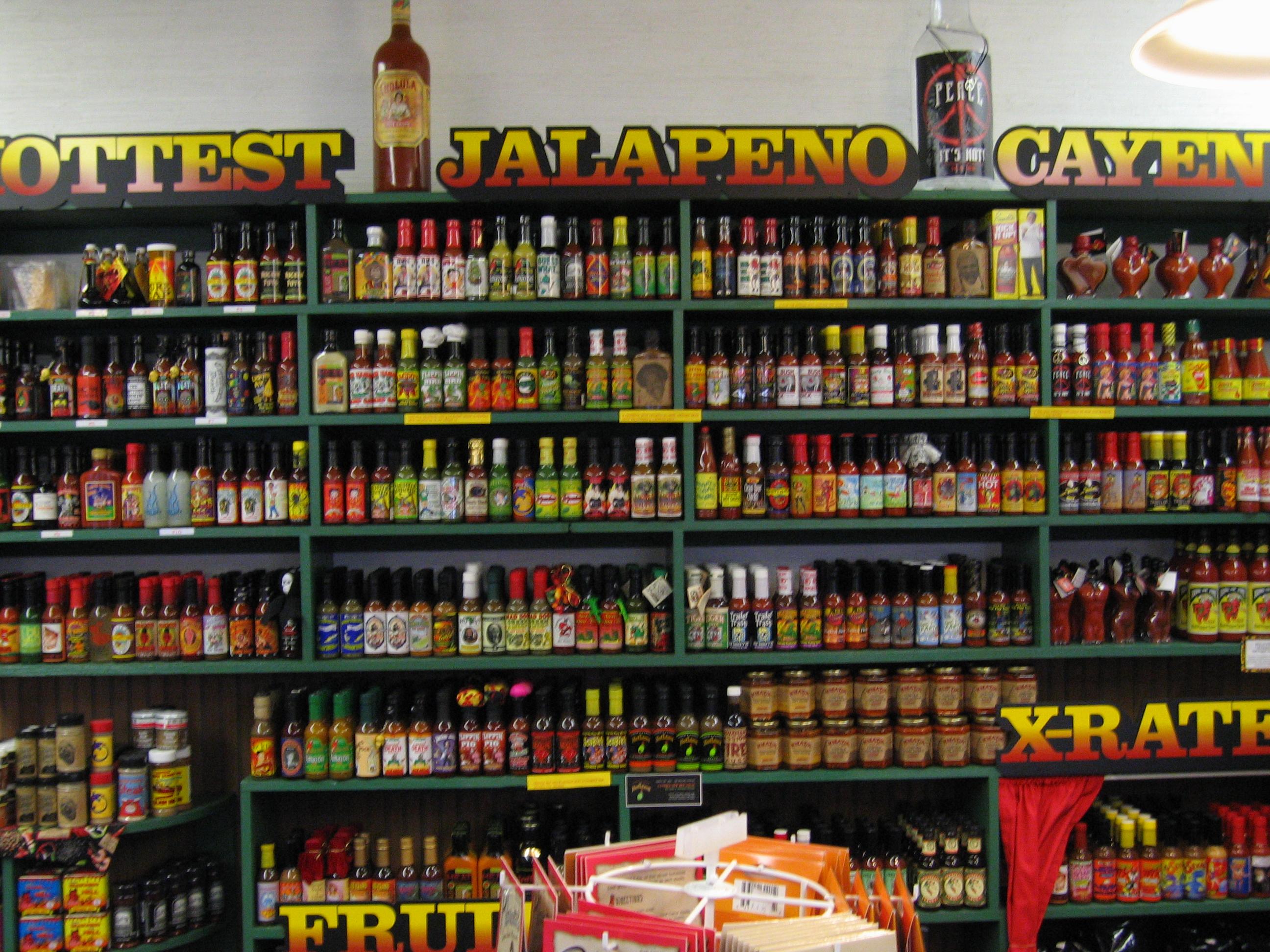
Connecticut hot sauce maker defies state order over botulism risk

Broccoli sprout recall widens as Salmonella outbreak reaches four states

CDC warns of nationwide rise in rabies exposures and treatment errors
