Pennsylvania reports fourth measles death as CDC declines to confirm state's toll
A Lancaster-area outbreak that has now infected nearly 700 Pennsylvanians has claimed a fourth life, the state's first measles deaths in roughly three decades, even as federal officials continue to withhold formal confirmation of the toll.
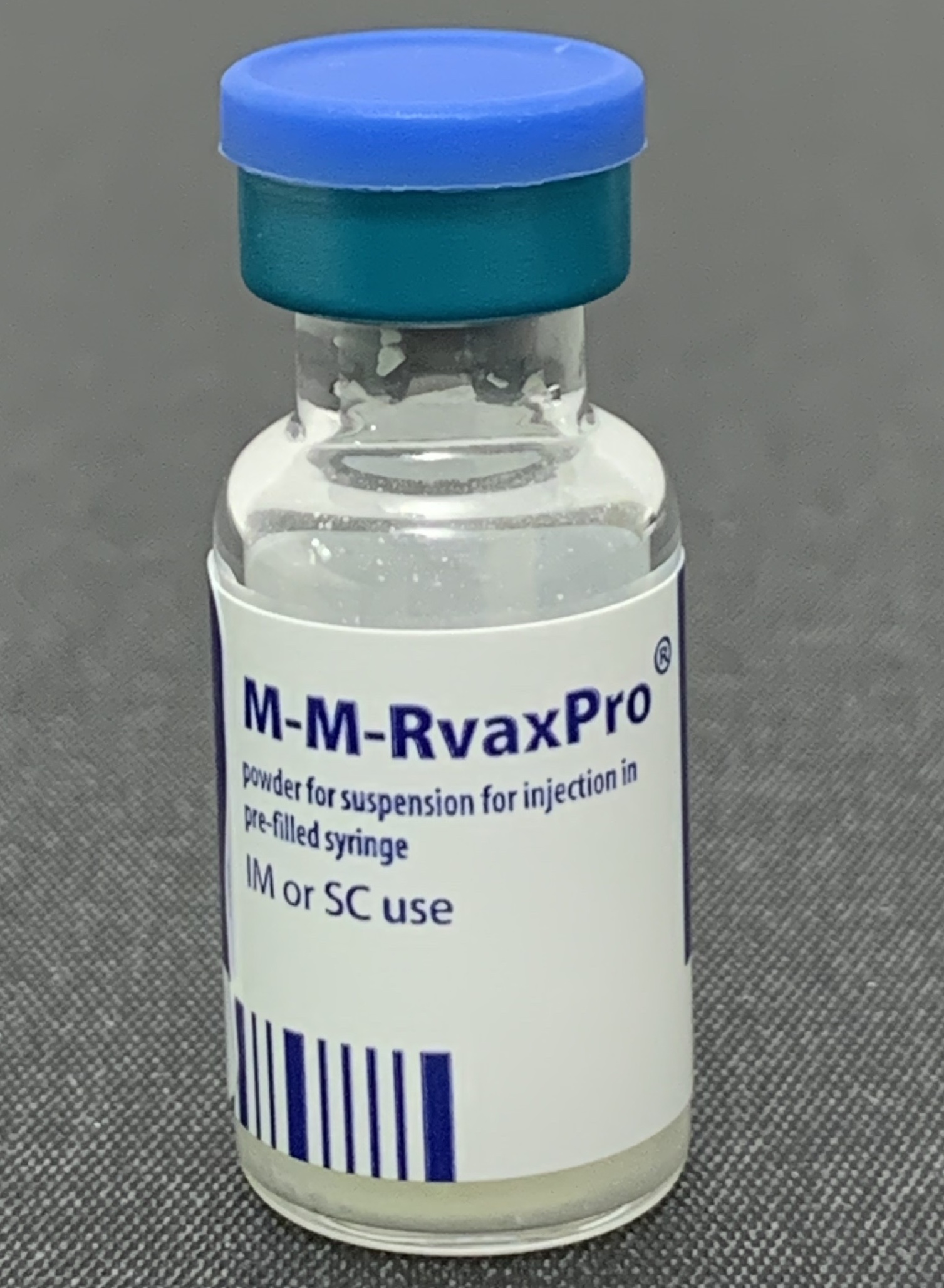
Pennsylvania health officials confirmed this week that a fourth person has died from measles-related complications in 2026, the first stretch of fatalities from the disease the state has recorded in roughly three decades. The new deaths, in Jefferson and Mifflin counties, arrived as the state's outbreak neared 700 confirmed cases and as federal health officials continued to decline to formally count any of the fatalities in the national tally.
The Pennsylvania Department of Health reported 693 confirmed measles cases across 38 counties as of September 14, with 133 hospitalizations, before local coroners announced the two additional deaths that brought the state's total to four. An 18-year-old in Mifflin County died of acute disseminated encephalomyelitis, a rare inflammatory brain and spinal-cord complication that can follow a measles infection, according to the county coroner's office. A 40-year-old woman in Jefferson County, who had underlying respiratory conditions, died after postmortem testing confirmed an active measles infection; the coroner said she "would not have died were it not for the measles."
The numbers
Nationally, the Centers for Disease Control and Prevention's own measles surveillance data puts the 2026 case count at 3,294 as of September 10, spread across 47 jurisdictions, with 38 separate outbreaks accounting for 95 percent of infections. That is already the highest annual total since the United States declared measles eliminated in 2000, a designation the country now risks losing when health authorities formally review the status in November. Only three measles deaths were recorded nationwide in all of 2025; Pennsylvania alone has now reported four in the space of roughly a month.
Within Pennsylvania, Lancaster County remains the epicenter with 296 cases, followed by Mifflin County with 79 and Jefferson County with 28. Ninety-five percent of the state's cases have occurred in people who were unvaccinated or whose vaccination status was unknown, and none of the deaths involved a fully vaccinated person. The two-dose MMR vaccine is roughly 97 percent effective at preventing infection, according to the state health department, and the department says it has administered more than 6,300 doses through pop-up clinics and provider partners in affected communities this year, with the pace accelerating sharply since August.
How the outbreak grew
The outbreak traces back to the spring, when measles began circulating in a close-knit religious community in Lancaster County with historically low vaccination coverage, then spread into surrounding counties as the school year progressed. Kindergarten MMR vaccination rates have slipped in several of the hardest-hit counties: Mifflin County's rate fell from 92.3 percent in 2024 to 89 percent in 2025, and Lancaster County's stood at just 87.5 percent last year, both well below the roughly 95 percent threshold public health officials say is needed to maintain herd immunity against a disease as contagious as measles, which can remain airborne in a room for up to two hours after an infected person leaves.
Measles was declared eliminated in the United States in 2000 after decades of routine childhood vaccination, meaning the virus no longer spread continuously within the country. Reported outbreaks since then have generally been traced to travelers who contracted the disease abroad and to communities with vaccination gaps. National kindergarten MMR coverage has drifted downward for several years running, and 2026 data shows it at roughly 92.4 percent, below the level epidemiologists consider protective.
Who is affected
Hospitalization has followed roughly one in five confirmed cases in Pennsylvania, and children and teenagers make up a large share of the state's infections, mirroring the national pattern in which most 2026 cases have involved people under 18. Both fatal cases confirmed this week involved adults, however: the Jefferson County woman had pre-existing respiratory illness that public health specialists say can make measles far more dangerous, while the Mifflin County teenager developed a complication that, though rare, can strike previously healthy patients. Vaccine specialist Dr. Paul Offit, cited in ongoing outbreak coverage from the University of Minnesota's CIDRAP, has noted that the neurological complication involved in the teenager's death occurs in roughly one in 1,000 measles cases but "is real, and it can be fatal." Hospitals and pediatric clinics across the affected counties have expanded vaccination hours and, in some cases, altered waiting-room protocols to separate patients with rash-and-fever symptoms from other visitors.
- August 25: Pennsylvania announces its first two measles-associated deaths in 35 years.
- September 12: A 40-year-old Jefferson County woman dies; postmortem testing confirms active measles infection.
- September 14: State health officials report 693 cases statewide and flag a possible third death under investigation.
- September 15: The Mifflin County coroner confirms the state's fourth measles-associated death, an unvaccinated 18-year-old.
Reaction and a federal dispute
The mounting toll has collided with an unusual, weeks-long dispute between Pennsylvania and federal health officials over whether the deaths should count at all. The CDC's public dashboard still lists zero confirmed measles deaths for 2026, and, as local station 6abc reported, CDC Director Dr. Erica Schwartz said her agency was not formally notified of the Jefferson County death by state officials and that available records do not yet establish measles as the cause. Health and Human Services Secretary Robert F. Kennedy Jr. went further, suggesting on social media that Pennsylvania's earlier reported deaths might have been exaggerated for political effect, prompting a sharp response from Governor Josh Shapiro.
"There's real-life consequences to scaring people and not relying on actual doctors and actual medical professionals to provide unbiased information to parents so that we can make reasonable decisions for our kids," Shapiro said.
Pennsylvania's acting health secretary has said the state's "measles-associated" classification reflects confirmed infection at time of death, a standard used by public health departments to track an outbreak's toll in real time, even when a coroner separately lists a specific immediate cause such as respiratory failure or brain inflammation. State officials say the CDC has repeatedly offered field assistance through an Epi-Aid deployment, which Pennsylvania has not requested, even as the two sides continue to spar over the count. Coverage from the Philadelphia Inquirer and NBC News has tracked the toll climbing from two deaths in late August to four by mid-September, a pace regional health reporters describe as unprecedented for the disease in the modern vaccine era.
What happens next
Pennsylvania's health department says it will continue expanding vaccination access, including additional pop-up clinics in Lancaster, Mifflin and Jefferson counties, and has reiterated that anyone without documented immunity should get an MMR dose regardless of age. Nationally, the outbreak's trajectory will factor into the federal government's scheduled November review of whether the United States retains its measles elimination status, a designation that depends on stopping any chain of transmission within 12 months. With respiratory virus season approaching and emergency rooms bracing for overlapping flu, RSV and COVID-19 activity, public health officials in several states have warned that a fast-moving measles outbreak layered on top of a busy respiratory season could strain hospital capacity in affected communities. The dispute between Harrisburg and Washington over how the deaths are recorded shows no sign of resolving before then, leaving Pennsylvania's own count, not the CDC's, as the only official tally of lives lost so far.

Houston pharmacy recalls glutathione IV vials as multistate contamination probe widens

New York Fashion Week Closes on a Note of Comfort and Sustainability
Connecticut hot sauce maker defies state order over botulism risk
