USDA recalls 1,500 pounds of imported Italian guanciale over Listeria contamination
Two U.S. importers are pulling ready-to-eat pork jowl from restaurants and retailers in eight states after a routine federal inspection of the Italian shipment found Listeria monocytogenes; no illnesses have been reported.
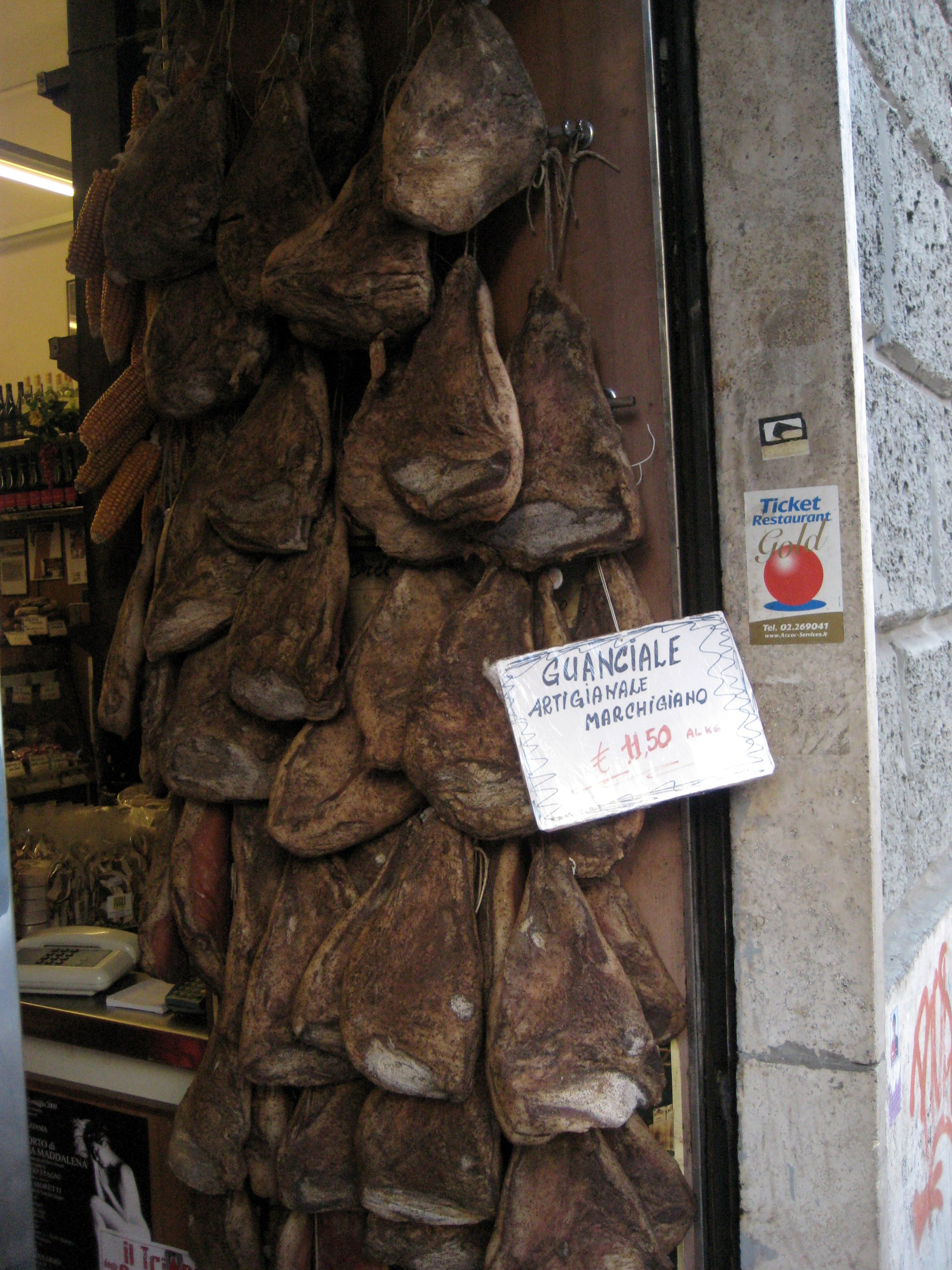
Two food distributors are recalling roughly 1,513 pounds of imported Italian pork jowl, sold under the traditional name guanciale, after a routine government inspection of the shipment turned up Listeria monocytogenes, the bacterium responsible for one of the deadliest classes of foodborne illness in the United States. The recall, announced September 6 by the U.S. Department of Agriculture's Food Safety and Inspection Service (FSIS), covers ready-to-eat, dry-cured pork jowl imported from Italy and distributed to restaurants, delis and retailers in eight states, as first reported by Food Safety News.
The affected product was brought into the country by two separate importers, Prime Line Distributors Inc. of Fort Lauderdale, Florida, and Ferrarini USA Inc. of Hoboken, New Jersey, both of which received guanciale from the same Italian producer, Est. 1937L Bome SRL. FSIS said the contamination was caught not because anyone got sick, but because the shipment was flagged during the agency's standard checks on imported meat before it is allowed to enter U.S. commerce.
What the recall covers
Every pound of product under recall carries the same identifying code, lot 263311US, with a "best if used by" date of 05.16.27 and the foreign establishment number IT 1937 L CE stamped on the packaging. The guanciale was produced in Italy on May 21, 2026, and imported into the United States on various dates in July, according to the FSIS notice.
- Approximately 1,513 pounds recalled in total, split between the two importers
- Prime Line Distributors' portion went to food-service and retail accounts in Florida
- Ferrarini USA's portion was distributed more broadly, to California, Florida, Idaho, Illinois, Michigan, New Jersey, New York and Texas
- No illnesses had been confirmed as of the announcement
FSIS said the problem surfaced through its import reinspection program, which subjects foreign meat and poultry shipments to document checks, physical exams and laboratory testing before they can be sold in the United States. A sample from the shipment tested positive for Listeria monocytogenes, triggering the recall even though the product had already moved into commercial channels by the time the lab results came back. The agency's import reinspection program is designed to catch exactly this kind of contamination before it reaches home kitchens, but products can sometimes reach distributors before testing is complete.
Why Listeria is treated so seriously
Unlike many foodborne pathogens, Listeria monocytogenes does not announce itself. It can survive and even multiply at refrigerator temperatures, which is part of why it is especially dangerous in cured, ready-to-eat meats that are never cooked again before serving.
"Food contaminated with Listeria monocytogenes may not look, smell, or taste spoiled but can still cause serious and sometimes life-threatening infections in older adults, people with weakened immune systems, and pregnant women and their newborns. Although healthy individuals may suffer only short-term symptoms... Listeria infection can cause miscarriages and stillbirths among pregnant women."
That warning language, drawn from the recall notice and echoed in the CDC's guidance on Listeria infection, underscores why regulators treat any positive test in ready-to-eat meat as a public health matter regardless of whether anyone has reported symptoms yet. The CDC notes that symptoms of listeriosis can take up to 70 days to appear after exposure, which is why health officials are asking anyone who ate the recalled guanciale and later develops fever, muscle aches, headache, stiff neck, confusion or loss of balance to seek medical care and mention the exposure to their provider.
Who should check their kitchen or restaurant supply
Because guanciale is sold almost exclusively through delis, specialty grocers, restaurants and food-service distributors rather than mainstream supermarket meat cases, most consumers who encountered the recalled product likely ate it as an ingredient in a dish — most commonly pasta alla carbonara, amatriciana or other Roman-style recipes that call for cured pork jowl instead of bacon or pancetta. Restaurants and retailers in the eight distribution states are being told to check inventory against the lot number and pull any matching product from service immediately. Home cooks who bought guanciale directly from an affected retailer are advised not to eat it, even if it has been in the refrigerator, and to either discard it or return it to the place of purchase.
Pregnant women, adults over 65, young children and anyone with a weakened immune system face the highest risk of severe illness from Listeria and should be especially vigilant about checking for the recalled lot number if they or someone in their household bought Italian-imported guanciale in recent weeks.
A recurring compliance issue for one of the importers
This is not the first time Ferrarini USA has been the subject of an FSIS recall tied to imported product oversight. In May 2025, the company recalled a smaller quantity of imported prosciutto after it was found to have been brought into the country without the required import reinspection. Food-safety attorneys who track FSIS recalls, including the firm behind Food Poison Journal's coverage of this recall, have flagged repeated import-oversight lapses at specialty meat importers as an ongoing weak point in the food-safety system, since imported cured meats often reach consumers through smaller specialty channels that get less scrutiny than large retail supply chains.
Neither Prime Line Distributors nor Ferrarini USA has issued a public statement beyond the joint recall notice filed with FSIS. Consumers with questions about the recalled guanciale can contact Prime Line Distributors' quality assurance department or Ferrarini USA directly, according to the contact information listed in the federal recall notice.
What happens next
FSIS said it will continue to monitor the situation and will post any additional retail distribution lists as they become available on its website. The agency is working with both companies to verify that all recalled guanciale has been removed from restaurant kitchens, deli cases and distributor warehouses in the eight affected states. Because the product carries a best-by date more than eight months away, food-safety officials are warning that some of it could still be sitting unused in walk-in coolers or home refrigerators, which is why they are urging both food-service operators and home cooks to check specifically for lot 263311US rather than assuming a product this far from its expiration date is unaffected by a recall.
No new illnesses tied to the product had been reported as of publication. FSIS and the CDC generally continue to monitor for any illness reports connected to a recalled lot for weeks after a recall is announced, given the extended incubation period associated with listeriosis.

Indiana Snack Maker Recalls Bacon-Cheddar Chips Over Undeclared Soy

Magnetic Toy Recalled After Two Children Hospitalized From Swallowing Loose Parts

Sauna maker recalls 53,000 units after fire risk and a failed bench-collapse fix
