Walmart pasta recall widens to all lots after Listeria found in testing
Gias Foods expanded a September recall of its bettergoods Lemon Alfredo Fettuccine sold at Walmart to cover every lot after state lab testing detected Listeria monocytogenes, prompting the FDA to assign its highest-risk classification.
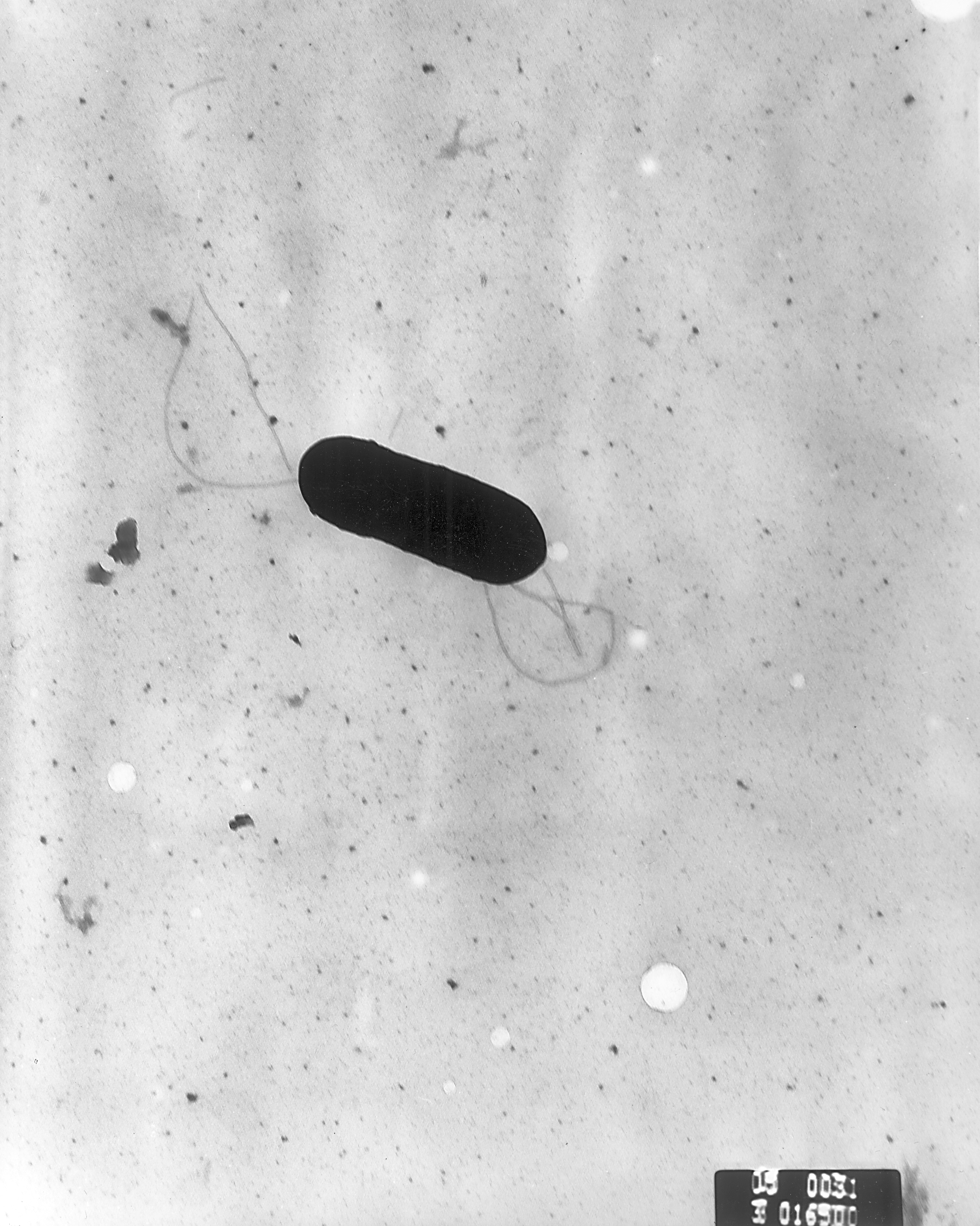
Gias Foods Inc. has recalled every lot of its bettergoods Authentic Italian Lemon Alfredo Fettuccine, a frozen pasta dish sold nationwide at Walmart, after widening a narrower recall issued in September. The expanded action, posted by the U.S. Food and Drug Administration, covers all lot and date codes of the 22-ounce product after state laboratories detected Listeria monocytogenes in finished packages. The agency has classified the recall as Class I, its most serious designation, reserved for situations in which exposure to a product carries a reasonable probability of serious illness or death.
No illnesses have been reported in connection with the pasta as of the latest update. But because the product is frozen and some packages carry expiration dates into September 2027, affected bags could remain in household freezers for months, prolonging the exposure window well beyond the original announcement.
What is being recalled
The New York-based company first recalled two lots of the fettuccine on September 15, after a routine sampling program run jointly by the Washington State Department of Agriculture and the Florida Department of Agriculture and Consumer Services flagged possible Listeria contamination. That initial action covered lot L6079C, with an expiration date of September 19, 2027, and lot L6080C, expiring September 20, 2027. Both are frozen, 22-ounce yellow plastic bags carrying UPC 194346442706.
By early October, the company and the FDA had broadened the recall to include every lot of the product ever distributed, not just the two flagged batches, after the scope of possible contamination remained unresolved. Gias Foods has stopped shipping the item while it and federal investigators try to pin down where in the production process the bacteria entered the pasta.
- Product: bettergoods Authentic Italian Lemon Alfredo Fettuccine, frozen, 22 oz.
- UPC: 194346442706
- Distribution: Walmart stores nationwide
- Risk classification: FDA Class I, the agency's highest severity level
- Illnesses reported to date: none
Listeria's toll in context
Listeriosis is far less common than salmonella or norovirus infection, but it is disproportionately deadly. The Centers for Disease Control and Prevention estimates that about 1,250 people in the United States are infected with Listeria each year and that 172 of them die, a case-fatality rate far higher than almost any other foodborne pathogen tracked by federal health agencies. Unlike most bacteria, Listeria can survive and even multiply at refrigerator temperatures, which is part of why contaminated frozen or chilled ready-to-eat foods pose an outsized risk and why regulators treat any confirmed detection in a finished product as a serious event rather than a routine labeling issue.
The bacterium's incubation period is unusually long and variable. Symptoms can appear anywhere from a few days to as long as 70 days after exposure, a lag that complicates efforts to trace illnesses back to a specific product and that is one reason health officials ask anyone who ate a recalled item to watch for symptoms for weeks afterward rather than assuming they are in the clear within a few days.
How the contamination was caught
The recall did not originate from consumer complaints or reported illnesses. It stemmed from routine microbiological sampling that state agriculture departments in Washington and Florida conduct on retail food products as part of ongoing food-safety surveillance work, separate from any outbreak investigation. That sampling found Listeria in finished packages of the fettuccine, prompting Gias Foods to notify the FDA and begin the recall process under the agency's voluntary recall framework, which the company has followed at each stage of the expansion.
The FDA's own consumer guidance on the pathogen, updated prevention advice published by the agency, notes that pregnant people are roughly ten times more likely than the general population to contract a Listeria infection, and that the consequences for them and their newborns can be severe, including miscarriage, stillbirth, or life-threatening infection in an infant. Older adults and people with weakened immune systems, including transplant recipients and those undergoing cancer treatment, also face substantially elevated risk of hospitalization.
Who is affected and how Walmart has responded
Because the fettuccine is a Walmart-exclusive private-label item sold under the retailer's bettergoods brand, the recall's practical reach is tied directly to Walmart's footprint, meaning shoppers in any state where the chain operates could have purchased the affected bags since the product first went on shelves. A Walmart spokesperson, quoted in television coverage of the expanded recall, said the retailer acted as soon as it was notified.
"Safety is a top priority."
Walmart has said it pulled the product from store shelves, blocked its sale at registers and online, and is directing affected customers to the recall instructions. Consumers who bought either the original two lots or any other lot code of the fettuccine are advised to discard the product or return it to the store where it was purchased for a full refund, rather than attempting to cook it to a temperature that might neutralize the bacteria. Gias Foods has set up a dedicated line for questions, at [email protected] or 917-675-4890, and the trade publication Food Safety News reported that the company and the FDA continue to investigate the source of the contamination inside the production line.
What happens next
The FDA and Gias Foods have not said when the investigation into the contamination's root cause will conclude, and neither has indicated whether the product will return to Walmart shelves under a revised production process. For now, the practical guidance for consumers is straightforward: anyone with a bag of bettergoods Authentic Italian Lemon Alfredo Fettuccine in their freezer, regardless of lot number or purchase date, should not eat it.
Health officials recommend that anyone who has already eaten the product and develops fever, severe headache, neck stiffness, muscle aches, nausea, or diarrhea seek medical attention and tell their doctor about the possible exposure, since early treatment with antibiotics can reduce the risk of the infection becoming invasive, according to federal guidance on avoiding Listeria infection. Reporting on the recall's risk classification noted that the Class I designation reflects the FDA's judgment that exposure carries a reasonable probability of serious harm, the same category applied to recalls involving E. coli and botulinum toxin, underscoring that regulators are not treating this as a minor labeling or quality matter even though no illnesses have yet been confirmed.

Lidl recalls gelato sold in 10 East Coast markets over possible Listeria contamination

FDA Flags 4.3 Million Tubes of Imported, Character-Branded Toothpaste Over Manufacturing Violations

Safety Regulators Tell Owners to Stop Using Tristar Pressure Cookers After 24 Burn Reports
