Walmart Recalls Frozen Fettuccine Alfredo Over Listeria Contamination Risk
Gias Foods pulled two lots of its bettergoods-brand Lemon Alfredo Fettuccine sold nationwide at Walmart after state inspectors detected listeria bacteria, less than a year after a separate outbreak tied to prepared pasta sickened dozens across the country.
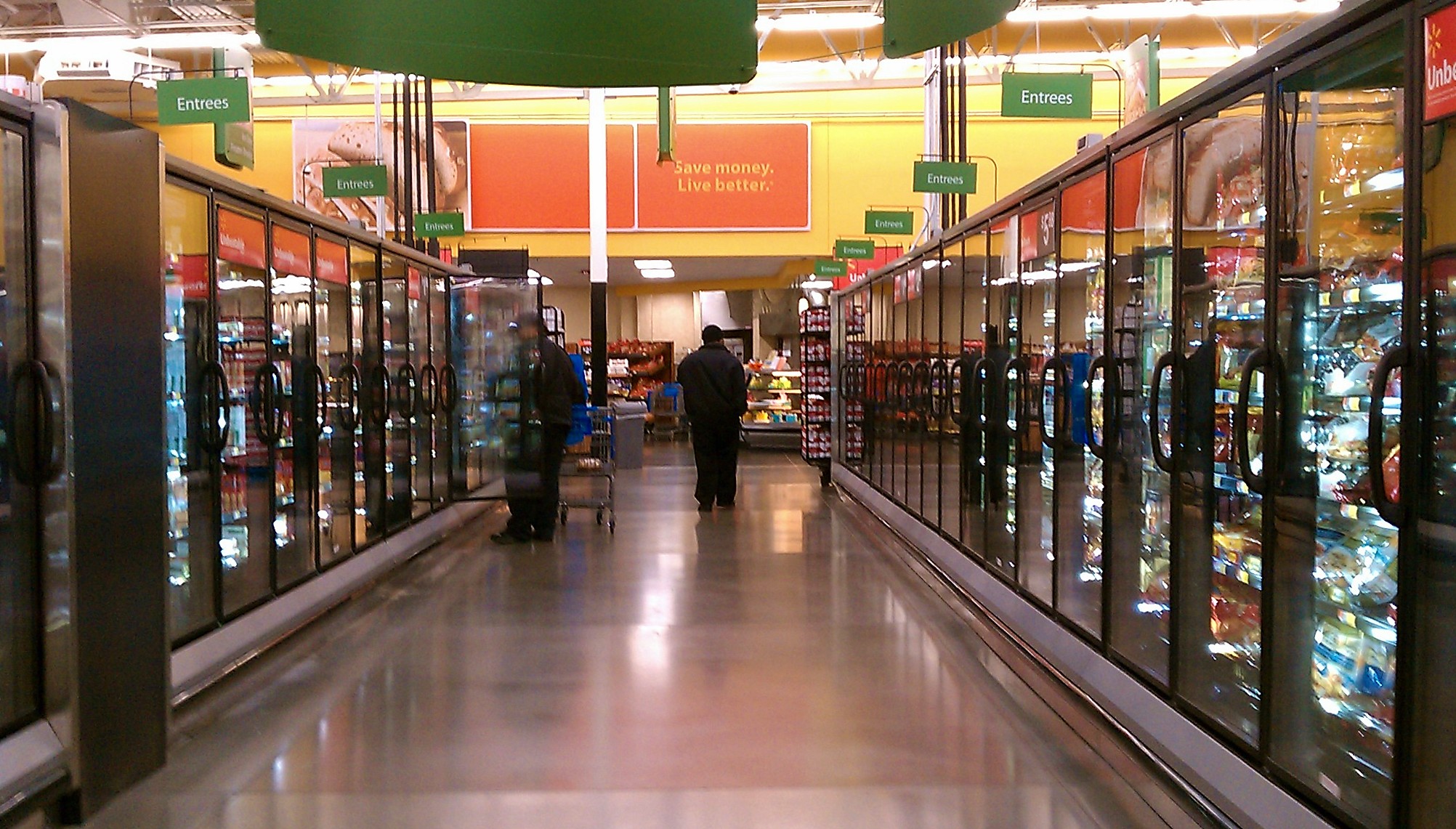
Gias Foods, Inc. is recalling two lots of frozen fettuccine sold under Walmart's Bettergoods store brand after state health inspectors found the pasta may be contaminated with Listeria monocytogenes, according to a recall notice posted by the Food and Drug Administration. The affected product, bettergoods Authentic Italian Lemon Alfredo Fettuccine, was distributed nationwide, and the company says no illnesses have been reported to date.
The recall was triggered by routine sampling conducted by the Washington State Department of Agriculture and the Florida Department of Agriculture and Consumer Services, which detected the bacterium in finished packages of the frozen entree. The FDA posted the recall notice on September 15, though it drew broad national attention only this week as local and national outlets began repeating the warning. Gias Foods, based in New York, said it has stopped shipping the affected lots while it works with the FDA to trace the source of the contamination.
The recalled fettuccine carries Walmart's bettergoods label, a private brand the retailer launched in April 2024 as its largest store-brand rollout in roughly two decades, spanning frozen meals, dairy, snacks and pantry items sold exclusively at Walmart. Because bettergoods products are produced by a range of outside manufacturers rather than by Walmart itself, a contamination problem traced to one supplier does not necessarily affect other items carrying the same label. Walmart has not issued its own separate statement on the recall beyond the manufacturer's notice filed with the FDA.
The products and the numbers
The recall covers frozen fettuccine sold in 22-ounce yellow plastic containers under UPC 194346442706. Only two lot codes are affected: L6079C, with a "best by" date of September 19, 2027, and L6080C, dated September 20, 2027. Both lot and expiration codes are printed on the back of the package. Shoppers who bought the product are being told to check their freezers, discard or return any matching packages, and contact the retailer for a refund rather than eat the pasta even if it looks and smells normal, since Listeria contamination is not detectable by sight or smell.
Listeria monocytogenes causes an estimated 1,600 illnesses and roughly 260 deaths in the United States each year, making it one of the leading causes of death from foodborne illness despite being far less common than salmonella or E. coli, according to the Centers for Disease Control and Prevention. Healthy adults who are infected typically develop fever, muscle aches, nausea and diarrhea, but the bacterium can also invade the nervous system, causing headaches, stiff neck, confusion and loss of balance. Unlike many foodborne pathogens, listeria can survive and even multiply at refrigerator and freezer temperatures, which is why food-safety officials rely heavily on environmental swabbing of processing equipment and finished-product testing, rather than temperature control alone, to catch it before packaged meals reach store shelves.
A second scare for frozen pasta sold at major retailers
The Gias Foods recall lands less than a year after a much larger listeria outbreak tied to precooked pasta supplied by a separate company, Nate's Fine Foods, sickened people in 15 states and led to a cascade of recalls at Walmart, Trader Joe's, Kroger, Sprouts Farmers Market and Albertsons. That outbreak, detailed on an FDA summary of the 2025 prepared pasta recalls, hospitalized 19 people, was linked to four deaths and caused one fetal loss before it was traced to a single pasta manufacturer that supplied private-label and branded meals across the grocery industry.
There is no indication the two incidents are connected; Gias Foods is a separate manufacturer, and the FDA has not linked this recall to any ongoing outbreak investigation or reported illness. But the recurrence, involving a different supplier and a different Walmart private label roughly a year later, has renewed attention on how prepared, ready-to-heat pasta meals move through cold-chain supply networks before reaching store freezers, and on how often routine state sampling programs, rather than consumer complaints, are what catches contamination before it spreads further.
Who is affected and what happens next
The recalled fettuccine was sold at Walmart stores nationwide, meaning shoppers in any state could have purchased the affected lots. Federal health officials say pregnant women, adults over 65, newborns and people with weakened immune systems face the highest risk from listeria infection, which in pregnant women can cause miscarriage, stillbirth or life-threatening infection in a newborn, according to the CDC's guidance on who faces the greatest danger from the bacterium. Symptoms of listeriosis can take anywhere from a few days to as long as ten weeks to appear after eating contaminated food, which health officials say is one reason people who ate the recalled pasta should watch for symptoms even if they feel fine now.
Gias Foods is directing consumers with questions to email [email protected] or call 917-675-4890, with a promise of a response within 24 hours. The company has not said how many units are affected or where the contamination in its supply chain may have originated. The notice has since been picked up widely by national outlets and repeated by local television stations across the country, prompting a fresh round of warnings for shoppers to check freezer inventories before the products are used.
Neither Walmart nor Gias Foods has said whether additional products or production dates are under review. The FDA's recall classification process typically continues for weeks after a notice is posted, and the agency has said it will update its recall page if the investigation identifies further affected lots or a root cause. For now, the guidance to consumers is unchanged: do not eat the recalled fettuccine, and return it for a refund rather than throwing it directly in household trash, since discarding contaminated food improperly can still pose a risk to other household members or pets.

Wakefern recalls ShopRite-brand organic applesauce after mold toxin exceeds safety limit
USDA Recalls 167,000 Pounds of Meat Sold Under a Counterfeit Inspection Stamp

FDA widens warning on weight-loss supplements laced with a poisonous plant
