CPSC recalls Magnetopia magnetic building cube sets over child ingestion risk
The recall of roughly 7,600 magnetic cube sets is the second this year involving building-cube toys with loose, swallowable magnets, as federal regulators continue to document serious — sometimes fatal — ingestion injuries in young children.
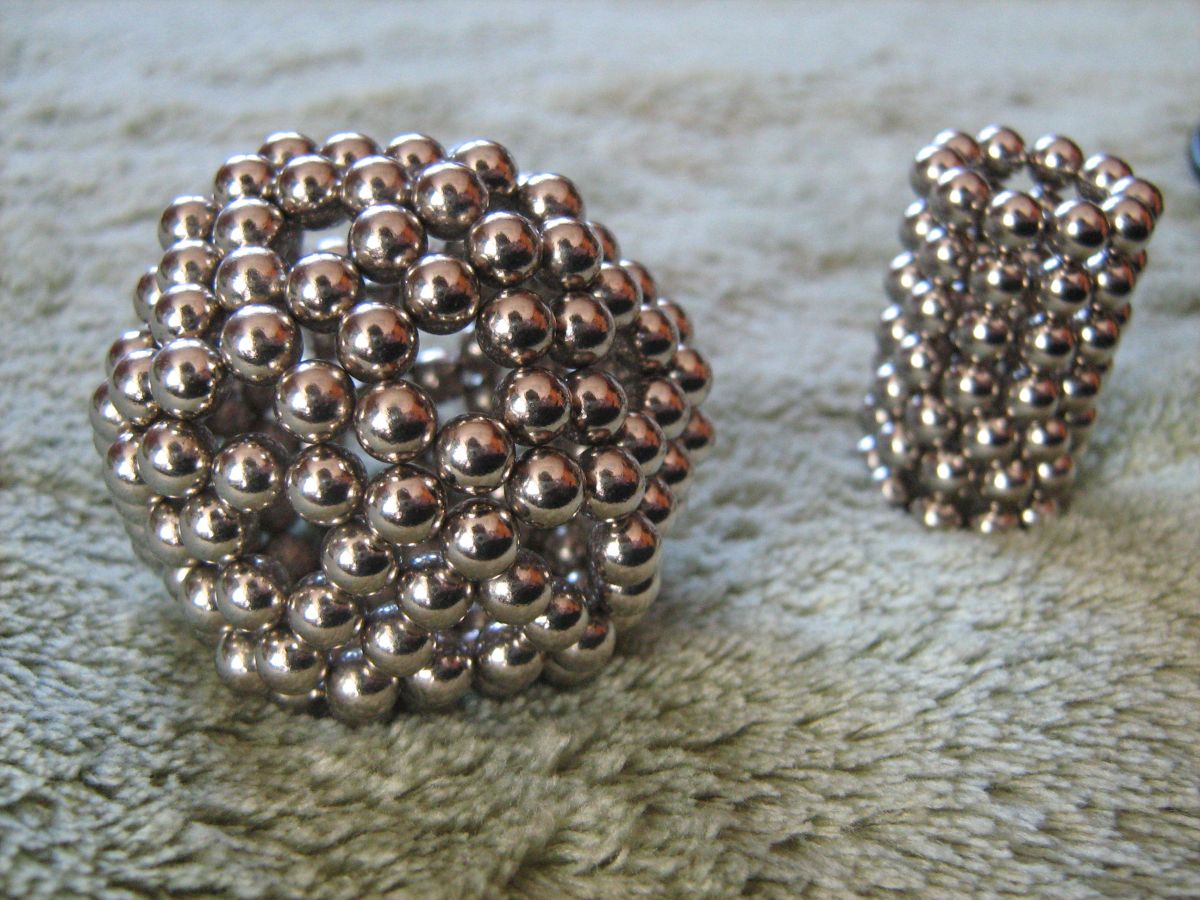
The Consumer Product Safety Commission on November 5 announced a recall of roughly 7,600 sets of magnetic building cubes sold online by the Hong Kong-based retailer Magnetopia, after the agency determined that the toys' internal magnets can come loose and be swallowed by children. The recall notice, issued jointly with the importer, HBT Ltd., covers 60-, 100-, 150- and 200-piece cube sets sold under 15 design names on Magnetopia.com between April 2025 and October 2026, for $20 to $40 a set.
No injuries have been reported in connection with the Magnetopia cubes, according to the company. But the recall is the second this year involving small, high-powered magnetic building cubes marketed largely through direct-to-consumer websites and Amazon storefronts, and it arrives as pediatric researchers and the CPSC continue to flag magnet ingestion as a persistent, under-recognized hazard for young children.
What is being recalled
The recalled cubes are sold in sets ranging from 60 to 200 pieces, in 13 to 15 themed color and pattern combinations with names such as Darkhouse, Seafight and Pinkfarm, identifiable by model numbers printed on the back of the packaging (including codes in the MAT-030 through MAT-040 range, as well as T009, T025, T076 and T078). The cubes snap together magnetically to build three-dimensional shapes and landscapes.
The CPSC says the magnets inside the cubes "can become loose if the cubes break or open," creating an ingestion hazard. If more than one magnet is swallowed, or a magnet is swallowed along with another metal object, the pieces can attract each other from different sections of the digestive tract, clamping down on intervening tissue. The agency's standard hazard language, repeated across its magnet-related recalls, warns that this can cause "perforations, twisting, and/or blockage of the intestines, blood poisoning and death."
Magnetopia is offering consumers a full refund and a prepaid shipping label to return the cubes; the company can be reached by email through the address listed on the recall notice. Consumers are told to stop using the product immediately and keep it away from children in the meantime. The recall was independently reported the following day, matching the CPSC's account of the units involved and the remedy offered.
A recurring hazard in a growing product category
The Magnetopia recall is not an isolated event. In August, the CPSC recalled about 213,500 Goody King-branded magnetic cubes sold on Amazon, after the importer, Yi Suen Commerce, told the agency it was aware of 27 reports of the cubes breaking apart and exposing their magnets, including two cases in which children swallowed magnets and required surgery to have them removed. Both recalls describe nearly identical products — sets of small, brightly colored cubes that snap together into geometric and landscape shapes — sold through similar direct-to-consumer online channels rather than big-box retail.
Magnet ingestion has been a known pediatric hazard for more than a decade, driven largely by neodymium "rare earth" magnets, which are far stronger than conventional magnets relative to their size. The CPSC has said it is aware of seven deaths since 2005 tied to ingestion of hazardous magnets, two of them outside the United States, and it estimates that roughly 2,400 magnet ingestions were treated in U.S. hospital emergency departments from 2017 through 2021 alone, according to a 2024 agency warning about a separate magnetic bracelet product; the same two figures were reported independently when the agency recalled a different magnetic ball set sold on Walmart.com. The figures are frequently cited by the agency because, unlike a single swallowed coin or button battery, a swallowed magnet is often invisible on a first exam unless a clinician specifically suspects it and because symptoms can mimic a stomach virus for days before the injury becomes severe.
The regulatory history behind these products is unusually tangled. The CPSC adopted a mandatory safety standard for small, high-powered magnet sets in 2014, which effectively pulled many loose-magnet desk toys and building-ball kits off the market. A federal appeals court vacated that rule in 2016, reopening the market to noncompliant products for several years. The commission subsequently adopted a new rule, finalized in September 2022 and published in the Federal Register under 16 CFR Parts 1112 and 1262, which again restricts the magnetic flux index of any loose magnet small enough to fit inside a standardized "small parts" test cylinder. That 2022 rule exempts toys that separately comply with the ASTM F963 toy safety standard — a carve-out that has left room for disagreement about which magnetic building sets are, and are not, compliant, and has not stopped a steady stream of recalls and warnings for products sold primarily through online marketplaces rather than conventional toy retailers.
Who is affected
The population directly affected by the Magnetopia recall is relatively small — roughly 7,600 sets sold through a single company website over an 18-month period, with no confirmed injuries. But the products were marketed as building and craft toys, meaning they were likely to be used by, or left within reach of, children younger than the sets' intended audience. The CPSC and pediatric specialists have repeatedly noted that it is often a younger sibling, rather than the child the toy was purchased for, who ends up swallowing loose magnets left out after older children or teenagers used them for building or fidgeting.
Parents who purchased cube sets from Magnetopia.com during the covered window are advised to check the model number against the list in the recall notice, separate the cubes from children's reach immediately, and contact the company for the refund and return process. Households that also own other magnetic building-cube products, including the earlier Goody King sets, should check those against their own recall notices as well, since multiple similar products from different importers have been pulled from the market this year.
What happens next
As with most CPSC recalls involving small overseas importers and direct-to-consumer sales, enforcement depends heavily on voluntary consumer response; the agency does not have authority to compel retailers to pull listings nationwide in real time, though Magnetopia's own site is the primary sales channel in this case. The CPSC's recall notice does not set an expiration date on the refund offer.
More broadly, the pattern visible across the Magnetopia and Goody King cases — a product is sold for a year or more through a company website or marketplace storefront, breakage or injury reports accumulate, and a recall follows only afterward — illustrates a gap the 2022 rule has not closed for direct-to-consumer imports. The CPSC has not announced any sweep or policy change specific to magnetic building cubes as a category; its public actions so far continue to address individual products and sellers one recall at a time.
Consumers with questions can contact the CPSC's consumer hotline at 800-638-2772, or report an incident involving a magnet product through SaferProducts.gov, the agency's public incident database.

Early flu season accelerates as CDC confirms third pediatric death

Bose recalls 634,000 battery packs for S1 Pro speakers after reports of overheating and fire

CMS locks in permanent rules for Medicare's drug price negotiation program