Opinion: The Government's Own Numbers Don't Support Its Obamacare Fraud Story
HHS says a crackdown on duplicate and deceased enrollees explains why millions dropped Affordable Care Act coverage this year. Its own figures show that crackdown accounts for a fraction of the decline — while premiums rose 58 percent after Congress let enhanced subsidies lapse.
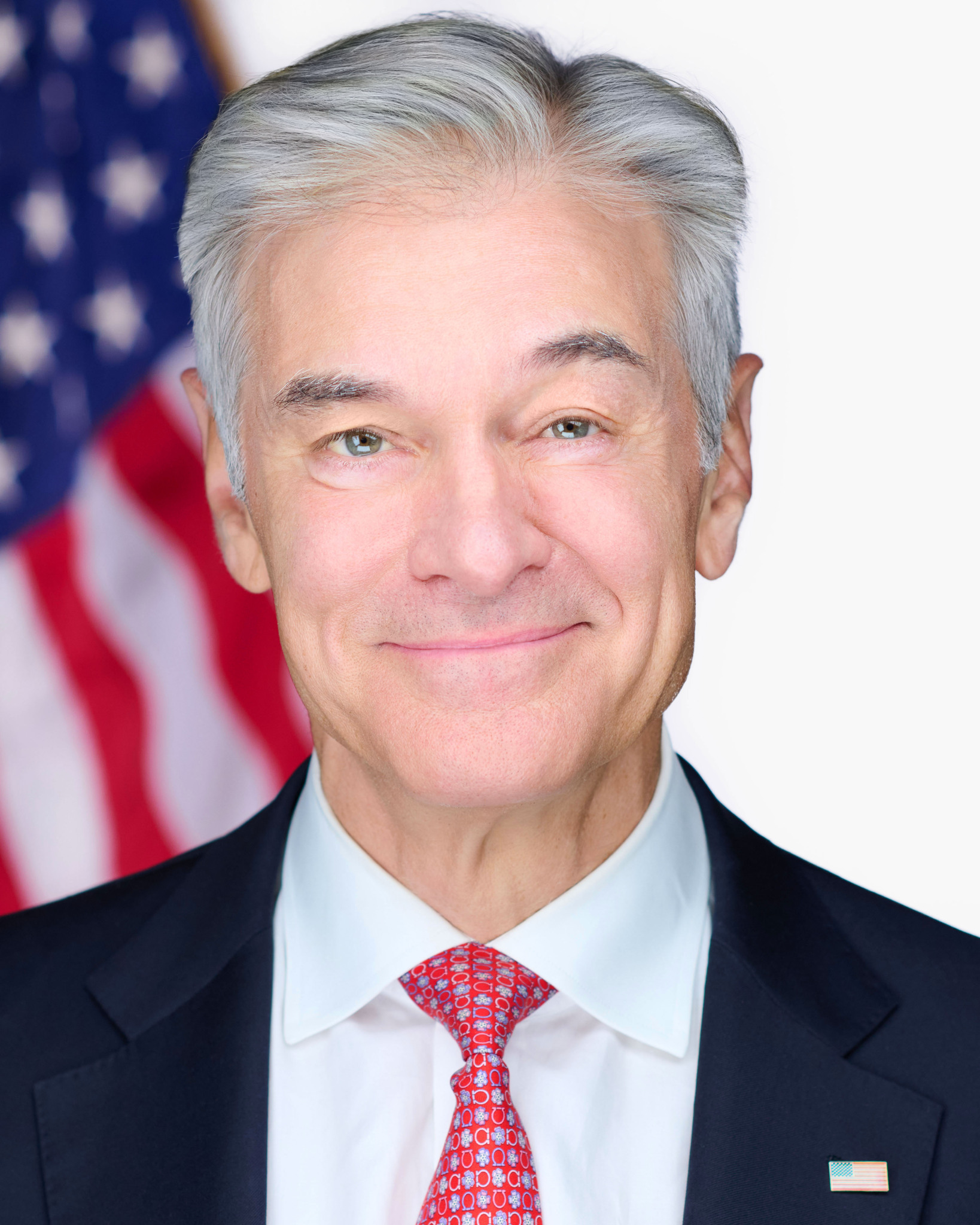
At a Wednesday news conference, CMS Administrator Dr. Mehmet Oz and HHS Secretary Robert F. Kennedy Jr. announced that federal regulators had ended Affordable Care Act subsidies for 189,000 people whose records showed duplicate Medicare, Medicaid or CHIP coverage, or who are listed as deceased. The CMS announcement puts this year's savings at roughly $1.5 billion annually going forward, on top of 551,000 similar terminations last year. "Taxpayers should not foot the bill for duplicate coverage or subsidies for people who have died," Kennedy said. Oz added that the prior administration had been "sleeping on the job" on program integrity for four years.
Both men framed the action as more than housekeeping. In briefings and interviews over the past two months, they have pointed to exactly this kind of enforcement to explain why ACA marketplace enrollment fell by nearly 3 million people this year, from more than 22 million to about 19.2 million, according to an HHS report reported by KFF Health News. That claim does not survive contact with the administration's own arithmetic, and it obscures a much larger, much less flattering story about why the marketplace is shrinking and getting more expensive at the same time.
The Math Behind the Press Conference
Add the 189,000 people cut this year to the 551,000 cut last year, and the duplicate-and-deceased enforcement program has removed roughly 740,000 people from ACA subsidy rolls since it resumed. That is a real number, and the underlying policy goal, checking enrollment data against Medicare and Medicaid records twice a year, is required by federal rule and was in fact paused for several years, as Oz noted. But 740,000 is not 2.9 million. It is barely a quarter of this year's enrollment decline alone, measured against a program that, per the Peterson Foundation's reading of federal budget data, cost the government roughly $91 billion in premium tax credits in a recent year, about 6 percent of federal health spending. The $1.5 billion in projected annual savings Oz cited amounts to less than 2 percent of that figure.
Matthew Fiedler, a health economist at the Brookings Institution, put the gap more bluntly. The administration's claim that fraudulent or improper enrollment explains the entire drop-off is "not remotely credible," he told KFF Health News, adding: "there's really good evidence that when premiums go up, people drop coverage." Fiedler also noted that the administration's own process, flagging accounts for review rather than cutting them off outright, implies officials themselves are not confident every flagged enrollee is actually ineligible.
What Actually Emptied the Marketplace
The more mundane explanation is that ACA coverage got much more expensive, on purpose, through inaction. The law's enhanced premium tax credits, which had held down what middle-income enrollees pay out of pocket since 2021, expired at the start of this year after Congress failed to renew them. The House did eventually pass a three-year extension on January 8, 2026, by a 230-196 vote with 17 Republicans joining Democrats, but Senate Majority Leader John Thune said there was "no appetite" for it in the upper chamber, and the bill has gone nowhere since. The consequence, per KFF, is that the average ACA enrollee's monthly premium payment rose from $113 to $178 this year, a 58 percent increase. For 2027, insurers have proposed a median rate increase of roughly 15 percent on top of that, according to a KFF analysis of preliminary rate filings, and at least seven insurers have told regulators they are leaving the marketplace entirely next year.
Those are the numbers that track with a 2.9-million-person decline in a program whose core value proposition, cheap monthly premiums for people who do not qualify for employer coverage, got substantially less true in twelve months. People who drop coverage when it becomes unaffordable are not committing fraud; they are responding rationally to price. Treating the resulting enrollment drop as evidence that the prior numbers were inflated by cheats, rather than as evidence that a subsidy cliff pushed real people out of real coverage, inverts the causation in a way that happens to spare Congress, and the administration, any responsibility for letting the credits lapse.
Where the Administration Has a Point
None of this makes the duplicate-enrollment enforcement itself objectionable. Checking whether someone is drawing a marketplace subsidy and Medicaid coverage simultaneously is not a partisan exercise; it is the kind of data-matching HHS's own inspector general has recommended for years, and even libertarian critics of the administration's broader fraud framing, such as the Cato Institute's Michael Cannon, have called the underlying duplicate-enrollment estimates "entirely plausible." The process CMS describes, a 30-day window to dispute a match before subsidies end, with appeal rights afterward, is a reasonable floor for due process, and nobody disputes that a dead person's estate should not keep collecting a federal premium subsidy. If the administration had announced this program on its own terms, as a modest, continuing compliance effort worth a few hundred million dollars a year, it would be unremarkable and largely uncontroversial.
"The top-level claim" that fraud explains the enrollment decline "is not remotely credible," Fiedler said, noting that "lots of people have seen higher premiums" and that coverage drops when prices rise.
The objection is to the substitution, treating a real but small compliance program as if it answered the much bigger question of why millions of people are losing or dropping coverage and paying far more for what remains. That substitution matters because it changes what the public thinks needs fixing. If the problem is fraud, the solution is more audits, and the administration can claim credit for solving it without legislation. If the problem is a lapsed subsidy that Congress has had nine months and a House-passed bill to address, the solution is a Senate vote that has not happened and that Republican leadership has shown little interest in scheduling.
An Honest Accounting Would Serve Everyone Better
Program integrity and premium affordability are not competing priorities; a government can pursue both at once, and should. But conflating them, presenting a $1.5 billion enforcement program as the explanation for a crisis driven by a $91 billion subsidy structure Congress let lapse, is not program integrity. It is an argument designed to foreclose the actual debate, over whether and how to restore the enhanced credits, by implying there was no real crisis to debate in the first place. The 740,000 people legitimately removed from the rolls for holding duplicate coverage deserve credit for the government finally doing routine data-matching it was required to do anyway. The nearly 3 million people who left ACA coverage this year as premiums rose 58 percent deserve a government that tells them the truth about why.
Elon Musk's $366 million midterm bet shows how campaign finance disclosure arrives too late

Opinion: The White House can't banish reporters from its grounds without due process

Opinion: The Supreme Court Must Not Let a 1988 Privacy Law Shrink to Fit Big Tech
