FBI director Kash Patel faces hostile Senate hearing over hiring rules, journalist inquiries
FBI Director Kash Patel clashed with Senate Judiciary Committee Democrats over loosened hiring standards, a $250 million lawsuit against The Atlantic and whether agents could appear near polling places in November, even as Republicans pointed to a record drop in violent crime.

FBI Director Kash Patel returned to the Senate Judiciary Committee on Tuesday for his first oversight hearing since September 2025, and the session quickly turned into one of the most openly hostile exchanges between a sitting Cabinet-level official and lawmakers this year. Over roughly four hours, Patel defended the bureau's decision to loosen hiring restrictions on applicants with histories of prostitution or bestiality, faced repeated questions about his use of a government jet and about FBI resources directed at journalists, and declined to rule out sending agents to polling places ahead of the November midterms.
The hearing, formally titled oversight of the Federal Bureau of Investigation, was run by Chairman Chuck Grassley of Iowa, with Illinois Democrat Dick Durbin as ranking member. It produced shouting between Patel and New Jersey Senator Cory Booker, sharp questioning from Vermont's Peter Welch and Connecticut's Richard Blumenthal on election security, and a defense from Republicans who pointed to a historic drop in violent crime during Patel's tenure.
The numbers behind the clash
Much of the Republican defense of Patel rested on crime statistics released by the bureau last month. FBI data covering 2025 show violent crime fell an estimated 9.3 percent from the year before, the largest single-year drop since the bureau began producing national estimates in 1936. The murder and nonnegligent-manslaughter rate fell to 4.1 killings per 100,000 people, tying the lowest levels ever recorded, matching 1955 and 1956. Robbery fell 18.5 percent and property crime dropped 12.4 percent over the same period.
Other figures dominated the Democratic side of the dais. Patel testified that the FBI maintains an "election crimes community coordinator" in all 56 field offices, a number he cited when pressed on whether agents would appear near polling places this fall. And hanging over much of the hearing was the $250 million defamation suit Patel filed in April against The Atlantic and reporter Sarah Fitzpatrick over an article alleging heavy drinking and unexplained absences from the office — a case now proceeding in federal district court in Washington, where the magazine has asked the judge to dismiss it and has said it intends to seek discovery from the FBI and the Justice Department.
How Patel got here
Patel was confirmed as the ninth director of the FBI in February 2025 after a contentious nomination fight, arriving with a mandate from the White House to remake an agency he and allies had long described as politically compromised. His tenure since has been marked by the removal of career officials involved in earlier investigations touching President Trump, including the 2022 search of Mar-a-Lago, and by a series of controversies over his travel and personal conduct that Democrats revisited at length on Tuesday.
The hiring-standards change at the center of Tuesday's headlines was issued quietly this spring, when the bureau replaced automatic disqualification of applicants with histories of prostitution or bestiality with a case-by-case review. According to reporting on the hearing, Patel told the committee subordinates had proposed the change and that he ultimately backed it as a way to avoid punishing people who had themselves been trafficked or victimized, rather than perpetrators. Louisiana Republican John Kennedy pressed him on why the recommendation had not drawn stronger internal pushback before it was adopted.
Separately, senators returned to the bureau's handling of files related to Jeffrey Epstein and to an FBI review — described by Democrats as involving hundreds of analysts — of election records from Fulton County, Georgia, tied to unsubstantiated fraud claims from the 2020 cycle. Both episodes have featured in prior oversight sessions and were raised again as evidence, in Democrats' telling, of an agency redirected toward the president's political priorities.
The immediate stakes of Tuesday's hearing extend beyond Patel himself. FBI employees are contending with a hiring policy shift that Kennedy and other senators said needed clearer safeguards, and with a wave of departures and reassignments among senior career staff over the past year and a half. Journalists who have reported on Patel, including at The Atlantic and elsewhere, are now defendants or subjects of federal inquiries that press-freedom advocates have said raise separation-of-powers concerns. Voters heading into the November midterms are a third group with a direct stake, given the unresolved question of what role, if any, FBI personnel will play near polling places. And the committee itself — an institution whose subpoena and oversight powers depend on cooperation from the executive branch — is testing how much leverage it retains over an agency that has, by Democrats' account, grown less responsive to its inquiries.
Reaction on the Hill
The sharpest moment came when Booker called Patel "an incompetent lackey" and "an embarrassment to the agency," prompting Patel to respond in kind and Grassley to intervene to restore order. Durbin's opening statement was more measured in tone but no less pointed.
"The least qualified and most partisan FBI director in our nation's history."
That was Durbin's description of Patel, delivered as he opened the hearing and pressed the director on the bureau's personnel changes and its handling of politically sensitive investigations. On the question of Election Day, Blumenthal told Patel he wanted "an unequivocal, clear, unambiguous commitment" that the bureau would not interfere with voting, a pledge Patel did not fully give, telling the panel at one point, "I don't know that we can't legally do it." Grassley and other Republicans, by contrast, used their time to highlight the crime-rate figures and to revisit what they characterized as politicized investigations of Trump allies under the previous administration, framing Patel's changes as a necessary correction.
No formal committee action followed the hearing, and Grassley did not announce plans for a follow-up session. The Atlantic's motion to dismiss the defamation suit remains pending before the district court, with discovery disputes likely to stretch into next year regardless of the outcome. Democrats signaled they intend to keep pressing for documents on the hiring-policy change and on the bureau's Georgia election-records review, though the committee's Republican majority controls whether any subpoena for those materials advances. The most consequential open question — whether FBI personnel will have any presence near polling places in November — is likely to resurface as the midterms approach, particularly in states where campaigns and election officials have already raised concerns about federal law enforcement visibility at the polls.

Federal judge blocks new visa time limits for international students hours before they were set to begin

Mitch McConnell returns to the Senate after 92 days, casting the deciding vote on a judgeship
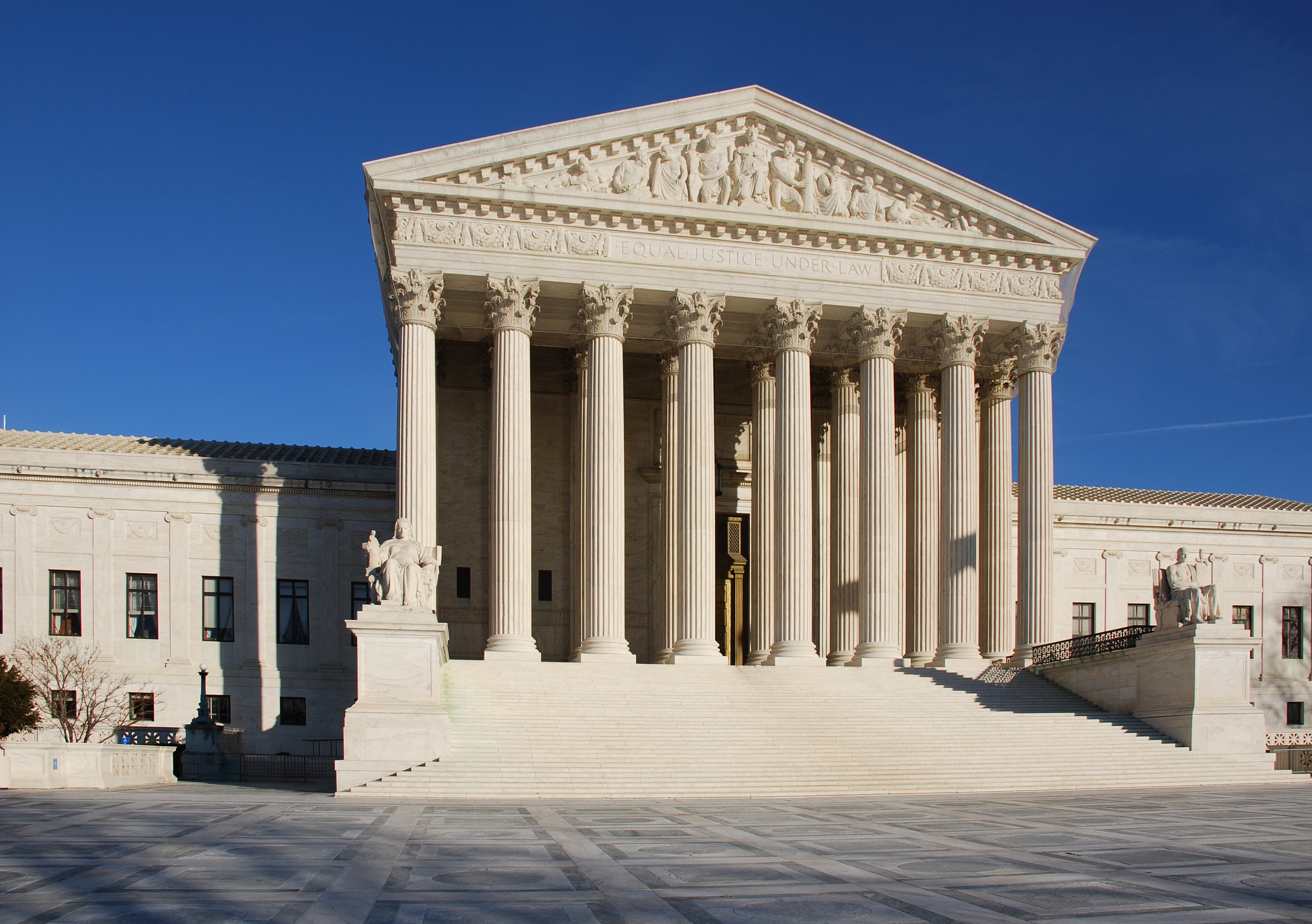
Supreme Court rejects Trump bid to revive mail-ballot rule before midterms
