Mitch McConnell returns to the Senate after 92 days, casting the deciding vote on a judgeship
The 84-year-old Kentucky Republican, hospitalized since a June fall complicated by his childhood polio, cast the tie-breaking vote to advance a federal judicial nominee as the Senate reconvened for its final pre-midterm stretch.

Sen. Mitch McConnell, R-Ky., returned to the Senate floor Monday for the first time in nearly three months, arriving in a wheelchair to cast a vote that tipped a narrowly divided chamber and, colleagues said, signaled the 84-year-old's determination to finish out his final year in office on his own terms.
McConnell's vote helped the Senate invoke cloture on the nomination of Matthew R. Byrne to be U.S. District Judge for the Southern District of Ohio, one of President Trump's picks for the federal bench. The motion passed 47-46, according to the official tally posted by the Senate, with seven senators not voting. Byrne, an Ohio appeals court judge, has drawn opposition from LGBTQ advocacy groups that point to a ruling in which he sided with parents who rejected their child's transgender identity.
It was McConnell's first roll-call vote since June 11, when he last appeared before a fall at his Washington home led to hospitalization, a diagnosis of pneumonia and weeks in a rehabilitation center. He was visibly thinner Monday and spoke more slowly than before his absence, but he moved through the chamber greeting colleagues as the Senate reconvened from its August recess for a compressed session ahead of the midterm elections.
The numbers behind his return
- 92 days: the length of McConnell's absence from the Senate floor, from his June fall to his September 14 return.
- 47-46: the cloture vote margin on the Byrne nomination, with McConnell's vote among those in the majority.
- 84: McConnell's age; he was first elected to the Senate in 1984, making this his 42nd year in office.
- August 6: the date McConnell's office says he was discharged from a rehabilitation center to continue recovering at home.
The Senate has no formal system of proxy voting, so McConnell's extended absence directly reduced the working margin Republican leaders could count on for contested nominations and party-line measures during a summer in which the chamber also worked through a backlog of judicial confirmations before recessing in August, according to the Senate's official floor calendar for the day.
How a fall became a three-month absence
McConnell's office disclosed the initial episode in a statement from the senator and an earlier one in July, explaining that he had not broken any bones, suffered a concussion, had a heart attack or a stroke, and that scans found no tumors or hemorrhages. He briefly lost consciousness during the fall and developed mild pneumonia during his hospital stay, which his office said responded well to antibiotics. His attending physician's office attributed the fall to his post-polio condition, a legacy of the disease McConnell contracted as a toddler in Sheffield, Alabama, that left his left leg partially paralyzed.
After the hospitalization, McConnell moved to a rehabilitation facility for physical therapy before being discharged to continue his recovery at home in early August. Throughout the absence, his office said he remained engaged with staff and legislative matters even though he could not appear on the floor to vote.
"My recovery has been a long and often frustrating process, and the lingering effects of childhood polio haven't made it any easier. I'm still not quite back to 100%, but I've assured Leader Thune that, as I continue with physical therapy on the advice of my doctors, I will do my best to be present for tough votes when our Conference needs me."
A career now defined again by the disease that shaped it
McConnell has spoken for years about surviving polio, which struck him at age 2 and required treatment at the Warm Springs, Georgia, facility once used by President Franklin Roosevelt. He went on to build the longest tenure of any Senate Republican leader, holding the post from 2007 until stepping aside for John Thune of South Dakota in early 2025. McConnell has said he will not seek re-election, meaning this Congress is expected to be his last as a senator after four decades representing Kentucky.
That backdrop gave Monday's return added weight on the floor. Senate Majority Leader Thune told reporters he was "hopeful" McConnell's presence would be a regular feature of close votes going forward, adding that "as much as he can do, we welcome having him here." Sen. Dick Durbin of Illinois, the chamber's second-ranking Democrat, greeted McConnell with an audible "Welcome back" as he made his way through the chamber.
Who is watching the outcome
The immediate beneficiaries of McConnell's return were Senate Republican leaders working to confirm judicial nominees before the midterm campaign fully absorbs the chamber's attention; Byrne's confirmation vote, expected to follow the cloture motion, would fill a vacancy on the Southern District of Ohio bench. LGBTQ advocacy organizations that had lobbied against Byrne's confirmation said his record on parental-rights cases made the seat one worth close scrutiny, a dynamic that made McConnell's tie-breaking presence especially consequential in a chamber where absences on either side can swing outcomes.
Kentucky voters and Senate colleagues alike have watched McConnell's health closely since a series of public freezing episodes in 2023 raised questions about his capacity to serve, questions that resurfaced with June's fall. His office has said he intends to keep working, but Monday's appearance made clear that his physical condition remains diminished compared with before the injury.
What happens next
McConnell's office said he will continue an intensive physical therapy regimen on his doctors' advice while trying to be present for votes his party's leadership considers essential, rather than committing to a full daily floor schedule. He told colleagues he was eager to work on the farm bill, a stalled priority that Senate Republicans hope to move before adjourning ahead of the midterms, according to reporting from the Capitol on his first day back. The Senate is expected to take up the Byrne confirmation and a series of other pending nominations and appropriations items in the coming weeks, and how often McConnell is able to appear for those votes will shape how much influence he retains during what both parties expect to be his final year in the chamber.

Federal judge blocks new visa time limits for international students hours before they were set to begin
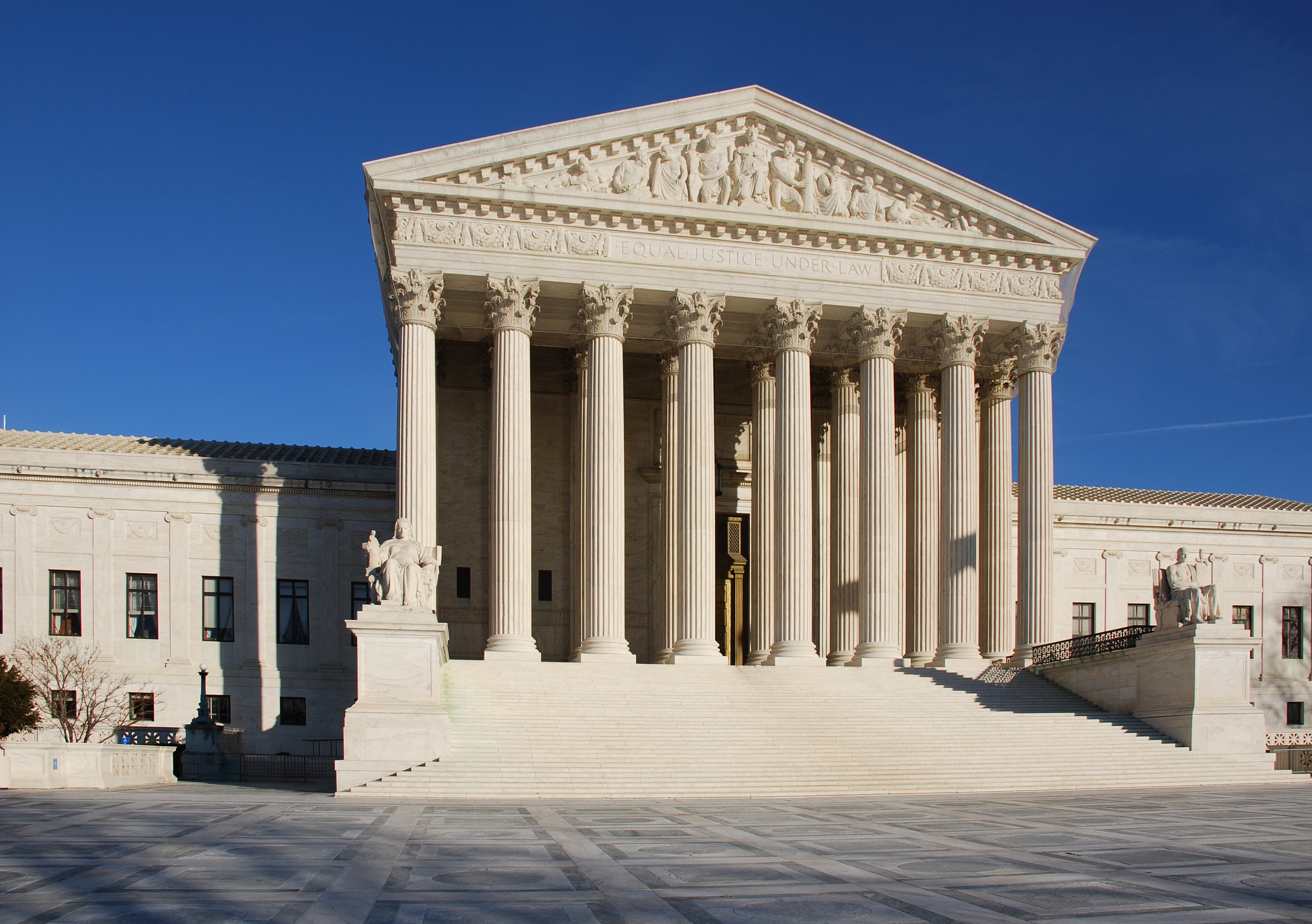
Supreme Court rejects Trump bid to revive mail-ballot rule before midterms

Appeals court keeps Trump's mail-ballot rule blocked as Supreme Court weighs emergency appeal
