Senate Democrats file new measure to block Trump's nuclear deal with Saudi Arabia
Sens. Jeff Merkley and Ed Markey introduced a resolution Thursday seeking a floor vote to stop a civilian nuclear cooperation agreement with Saudi Arabia that critics say drops long-standing safeguards against weapons proliferation, setting up a Senate showdown expected after the midterms.
Two Senate Democrats introduced a resolution Thursday that would force a floor vote on blocking the Trump administration's civilian nuclear cooperation agreement with Saudi Arabia, the latest move in a monthslong fight over whether the deal does enough to prevent the kingdom from one day building a nuclear weapon.
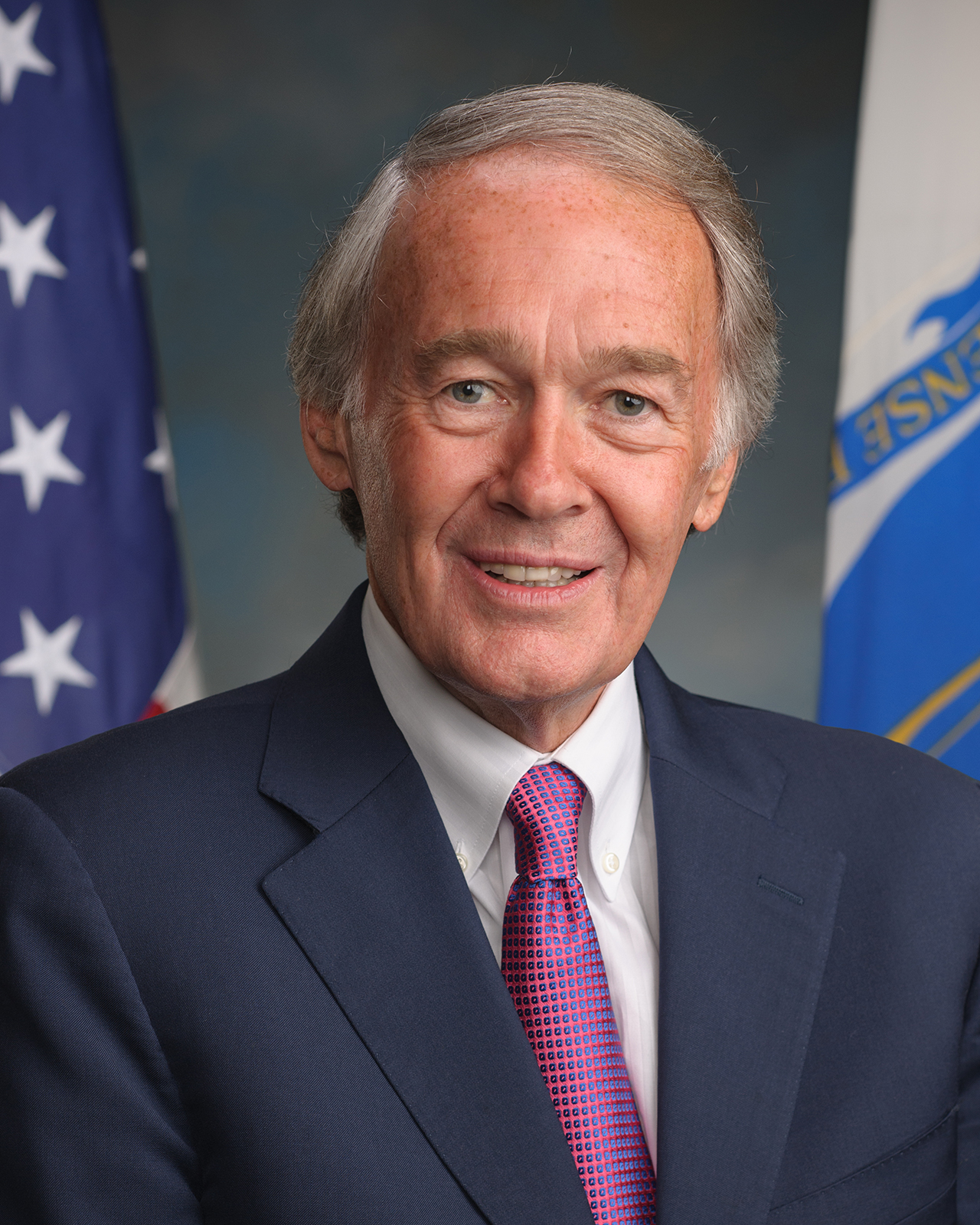
Sens. Jeff Merkley of Oregon and Ed Markey of Massachusetts filed a joint resolution of disapproval aimed squarely at the agreement itself, distinct from an earlier disapproval measure the same senators attached in September to a related arms sale. The new filing sets up a Senate vote that, under the statute governing the review, cannot occur before Nov. 29 and is expected before mid-December.
A 90-day clock, and what it leaves out
The dispute centers on a "123 agreement," the formal label for pacts negotiated under Section 123 of the Atomic Energy Act, which lets American firms share civilian nuclear technology, material and expertise with a foreign partner. Energy Secretary Chris Wright and Saudi Energy Minister Prince Abdulaziz bin Salman signed the agreement on July 20 and 22. President Trump submitted it to Congress on Aug. 24, and it was printed in the Senate record on Sept. 14, starting a 90-day congressional review period made up only of days Congress is in continuous session. Absent a disapproval resolution signed into law, the deal takes effect automatically once that window closes.
Critics, including some Republicans, say the agreement departs from the "gold standard" the United States has applied to recent nuclear cooperation pacts, such as the 2009 agreement with the United Arab Emirates. Specifically, opponents point to a handful of gaps:
- It does not bar Saudi Arabia from enriching uranium or reprocessing spent fuel on its own soil.
- It does not require Saudi Arabia to sign the IAEA's Additional Protocol, which would give inspectors expanded access to undeclared sites.
- It commits the two countries only to "memorialize" certain enrichment-related understandings in future diplomatic notes, rather than in the text lawmakers are reviewing now.
- Portions of the agreement remain classified, and an analysis this week in the Bulletin of the Atomic Scientists reported that part of the classified annex consists of a page marked "to be filled in later."
How the deal reached the Senate floor
The administration has framed the agreement as the legal foundation for a multibillion-dollar energy partnership, building on a November 2025 joint declaration signed during a visit by Crown Prince Mohammed bin Salman. Saudi Arabia, which holds roughly 16 percent of the world's proven crude oil reserves, has said it wants nuclear power to diversify its electricity supply and has pursued the full fuel cycle, including domestic enrichment, since at least 2019.
Trump has tied his support for the deal to Saudi normalization with Israel, posting in July that the agreement "will be approved" but is "totally subject to Saudi Arabia joining" the Abraham Accords. Saudi Arabia has not publicly responded to that condition. Wright, for his part, said the agreement upholds "the highest standards of nuclear safety and nonproliferation," and the administration has separately told Congress it will rely on a bilateral safeguards arrangement with the International Atomic Energy Agency rather than the Additional Protocol.
The nonproliferation concerns are not new. Saudi Arabia joined the Nuclear Non-Proliferation Treaty in 1988 and has a comprehensive safeguards agreement with the IAEA, but it rescinded a more limited inspection protocol in 2024 and has not adopted the broader Additional Protocol lawmakers are now demanding. Crown Prince Mohammed bin Salman has said publicly that Saudi Arabia would pursue nuclear weapons if Iran obtained them, a statement opponents of the deal cite often.
Who is watching the vote
A House companion effort has moved on a similar track since mid-September, when Reps. Gregory Meeks, Brad Sherman, John Garamendi and Don Beyer introduced their own disapproval resolution. Speaker Mike Johnson sent House members home ahead of the Nov. 3 midterm elections without scheduling a vote, leaving the Senate as the more immediate venue for the fight. Merkley and Markey have pressed the issue before: in August, they led a group of colleagues in a letter publicly demanding the administration abandon the agreement entirely.
Opposition has not been confined to Democrats. According to reporting from the Arms Control Association, Sen. John Barrasso of Wyoming warned the agreement could heighten proliferation risks across the region and complicate any future effort to persuade Iran to abandon enrichment, while Sen. John Kennedy of Louisiana said he was "not comfortable" with the deal as written, though he predicted it would ultimately go through regardless. Senate Foreign Relations Committee Chairman Jim Risch has defended the agreement, citing his own conversations with the crown prince and arguing it serves both countries' interests.
"We can't sleepwalk into a decision this consequential," Merkley said in announcing the resolution, while Markey put it more bluntly: "The US-Saudi nuclear deal is about megatons, not megawatts."
Sen. Chris Murphy of Connecticut has argued the agreement could end up "pushing Iran closer to a nuclear weapon" by signaling that Washington will tolerate enrichment capability in a rival Gulf state. Sherman, in introducing the House measure, said any nuclear agreement with Saudi Arabia "must include ironclad nonproliferation protections."
What happens next
Even if the Senate resolution passes, it would need to clear the House and survive a presidential veto, which requires two-thirds majorities in both chambers — a bar no nuclear-cooperation disapproval resolution has ever cleared. Congress has adjourned most floor business until after the midterm elections, and the review clock itself is calculated only in days Congress is in continuous session, meaning recesses extend the deadline. That procedural quirk has fueled a separate argument, pressed by nonproliferation researcher Alan Kuperman in the Bulletin piece, that the current Congress may run out before the clock does, potentially forcing the administration to resubmit the agreement next year.
For now, the practical effect of Thursday's filing is to guarantee senators an on-the-record vote, something opponents say they lacked assurance of after months of informal pressure. Lawmakers on both sides expect that vote to land sometime between late November and mid-December, after voters have already decided the midterm races that will determine who is sitting in the chamber when it happens.
Arms Control Today — Trump Adds Conditions to U.S.-Saudi Nuclear Cooperation Deal
Bulletin of the Atomic Scientists — Congress has the power to fix the Trump-Saudi nuclear deal
JNS — House Dems introduce resolution to disapprove Saudi nuclear deal
Congressional Research Service — U.S.-Saudi Nuclear Energy Cooperation

Democrats Bet $163 Million on Making the Midterms About Trump

Trump Invokes Executive Privilege to Shield Kennedy Center Records From Lawmaker's Lawsuit

Fired FBI Employees From Trump Documents Case Sue Patel Over 'Unlawful' Terminations