Senate Democrats Win Back the Majority — and Immediately Fight Over Who Leads Them
Days after the party reclaimed control of the chamber, at least four incoming senators say they will not back Chuck Schumer for another term as leader, exposing a rift over message and generational change just as he prepares to become majority leader.
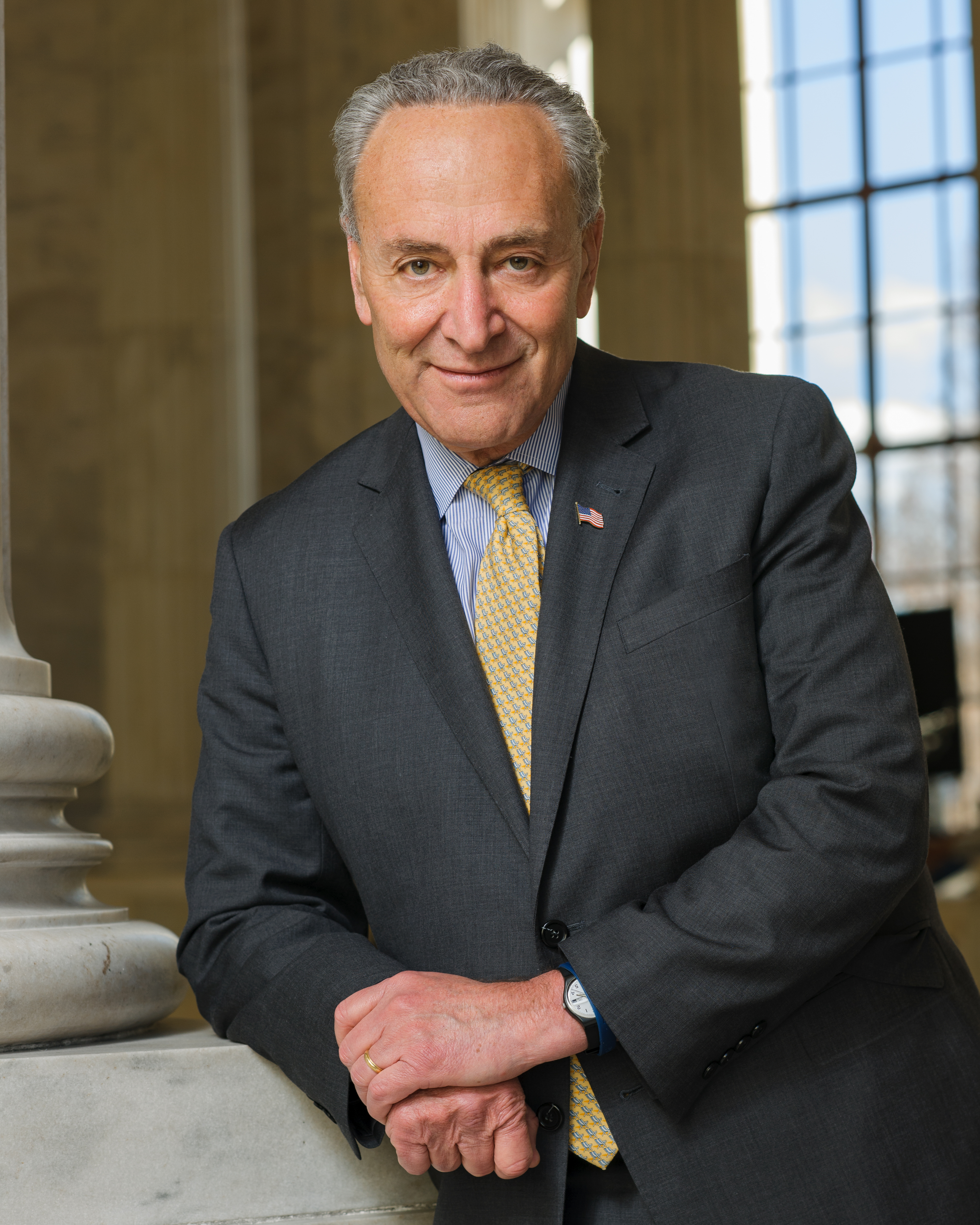
Senate Democrats spent election night celebrating a majority they had not held since 2025. Within days, the celebration had given way to an open argument over who should lead it. At least four Democrats elected to the chamber on Nov. 3, along with a sitting senator who has called for "significant new leadership," have said publicly they will not support Sen. Chuck Schumer of New York for another term as the party's leader. The dissent does not put Schumer's hold on the position in immediate danger, but it is the clearest sign yet of a generational rift inside a party that just won back power.
Schumer, who has led Senate Democrats since 2017, is set to trade the minority leader's office for the majority leader's suite when the new Congress convenes in January, after Democrats and the two independents who caucus with them secured at least 54 seats in the midterm elections, according to NPR's count of the results. Two races — Alaska and Mississippi — remained too close to call as of this week. Schumer told reporters the midterm map amounted to a "generational remake" of the Senate, pointing to Democratic gains in states President Trump has carried, including Iowa, Ohio, South Carolina and Texas.
A majority clouded by generational unease
The clearest challenge comes from Kansas, where Adam Hamilton, a Methodist pastor, became the first Democrat to win a U.S. Senate seat there in 94 years, defeating Republican incumbent Roger Marshall. Hamilton's campaign had accepted roughly $5 million from a political action committee tied to Schumer, and Marshall tried to tie the two men together 15 times in their final debate. Despite that money, Hamilton has said he will not support Schumer for another term leading the caucus. Senator-elect Troy Jackson of Maine, Juliana Stratton of Illinois and Abdul El-Sayed of Michigan have taken similar positions, according to a Fox News account of the incoming class's mood and a Newsweek tally of Democrats who have broken with Schumer. Minnesota's Peggy Flanagan has also said the party needs what she called "a progressive champion" instead.
A warning from inside the caucus
The newcomers are not alone. Michigan Sen. Elissa Slotkin, delivering a message aimed at both chamber leaders, said earlier this year that "the old models are no longer working" and that lawmakers who cannot adapt "need to make room for others who can," remarks widely read as targeting Schumer and House Democratic leader Hakeem Jeffries, according to Mediaite's report on the exchange. Jeffries responded that he had "no idea" what Slotkin meant, and the Congressional Black Caucus publicly rebuked her. Some progressives, including El-Sayed, have floated Maryland Sen. Chris Van Hollen as an alternative leader; Van Hollen has declined to say whether he supports Schumer's continued leadership, saying only that Democrats should "get through the 2026 election" before that debate begins.
"We've got to have leaders that can unite us, bring us together — not just Democrats — but bring together Democrats and Republicans to solve real problems," Adam Hamilton, the senator-elect from Kansas, told CNN when asked about his refusal to back Schumer.
Schumer's defense, and the math
Schumer has said he expects to be re-elected to lead the caucus and has argued that voters' frustrations are not about his own standing. He needs only a majority of the roughly 54-member Democratic caucus in a closed-door, secret-ballot vote to keep the job — a bar his allies say he will clear comfortably even with four or more declared opponents among the newcomers. Schumer has held a Senate leadership post continuously since 2017, serving as minority leader, then majority leader from 2021 to 2025, and is the first Jewish senator and first New Yorker to lead a party in the chamber. His official Senate office did not respond to the specific criticism from incoming senators in material reviewed for this story.
What happens next
Senate Democrats are expected to hold their closed-door leadership elections in the weeks after the new Congress is seated in January, with sitting and newly elected senators voting together. Because the ballot is secret, the public tally of declared opponents matters less than private commitments inside the caucus room, and no sitting senator has yet announced a formal challenge to Schumer. At a news conference after the midterms, Schumer said Senate Democrats would focus on lowering costs, ending U.S. involvement in the Iran war and investigating what he called corruption in the administration — an agenda he will need the newcomers' cooperation to pass regardless of whether they voted for him as leader. The outcome of the Alaska and Mississippi Senate races, still uncalled this week, will determine the exact size of the majority he is seeking to lead.
NPR (via WFAE) — Chuck Schumer heralds Democrats' "generational remake" of Senate
NPR (via WFAE) — Adam Hamilton becomes the first Democratic senator from Kansas in nearly a century
Fox News — Schumer faces mutiny from newly elected Senate Dems
Newsweek — Full list: Democrats rallying against Chuck Schumer in the Senate

Trump calls his own deportation push "too tough," opens door to deal with Democrats

Jeffries backs Hegseth impeachment push ahead of House vote

Justice Department drops lawsuit seeking to block 20,000 California ballots after Supreme Court rejection
