Trump calls his own deportation push "too tough," opens door to deal with Democrats
In his first interview since Republicans' midterm losses, President Trump told CBS's "60 Minutes" that removing immigrants with "good jobs" had hurt him politically, and said he was open to a deal that could grant legal status to some undocumented workers.

President Trump said in an interview broadcast Sunday night that his administration's mass deportation campaign had gone further than he intended, telling CBS's "60 Minutes" that the removal of immigrants with steady jobs and long-standing ties to the United States was "too tough" and had contributed to Republicans' losses in last week's midterm elections.
The remarks, made to correspondent Ross Douthat in Trump's first sit-down interview since the Nov. 3 vote, mark the most direct acknowledgment yet from the president that the enforcement drive carried out by the Department of Homeland Security and Immigration and Customs Enforcement over the past two years swept up people well beyond the violent offenders he has repeatedly said were the operation's intended targets.
A reversal after a rout
"I think it was — too tough," Trump said, according to Fox News' account of the interview. "I think it might be too tough, yeah. And I think ultimately that hurt me." Pressed further, he added that enforcement "both helped and hurt" his standing, crediting it with removing dangerous offenders while conceding, in his words, that "we also took people that had good jobs."
"I get very high marks for getting the bad ones out, but I get hurt because we also took people that had good jobs, that created one violation, or breaking of the law."
He cited landscapers, hotel workers and other laborers as examples of people he believes much of the country wants to see allowed to stay, according to NBC News, which also reported that Trump blamed "bad messaging" for the scale of the Republican defeat rather than the substance of his agenda. Asked directly whether a deal with Democrats to grant legal status to undocumented workers was possible, Trump said yes, calling it "doable" so long as it avoided the most extreme positions held by either party.
The architect of the crackdown moves in
The comments land awkwardly alongside Trump's decision, announced days earlier, to elevate Stephen Miller — the policy architect most closely identified with the deportation campaign — to White House chief of staff. The official White House announcement credited Miller with "securing the border at unprecedented levels" and made no mention of the enforcement tactics the president now says went too far. Incoming House Oversight Committee Democrats have described Miller, in blunter terms, as the architect of the ICE raids Trump is now second-guessing.
Trump appeared to acknowledge the tension inside his own coalition, telling Douthat that people "on the sort of pretty far right" want "everybody taken out" and that some of them serve in his administration. He did not name names, but the comment underscored a divide between hardliners who have pushed for continued aggressive enforcement and a White House now weighing how to respond to an electorate that punished the party at the ballot box.
Workers, employers and long-settled families in the balance
The population Trump described as caught up unintentionally — longtime residents without serious criminal records, working in agriculture, hospitality, construction and landscaping — numbers in the millions nationally, though the administration has not offered its own estimate of how many such removals have occurred. Immigration enforcement has continued at a rapid clip even as the president's tone has shifted: on Nov. 2, days before the interview aired, ICE announced that agents working with local 287(g) partners had arrested more than 180 people during a five-day operation across four counties in northwestern Alabama, part of a steady cadence of similar operations the agency has publicized nationwide in recent weeks.
Independent tracking of the agency's internal figures, reported separately by multiple news organizations this year, put ICE's fiscal year 2026 removals at roughly 356,000 through mid-July — a pace of more than 1,200 a day and already ahead of the nearly 320,000 removals recorded for all of fiscal 2025. Those figures combine people with criminal convictions and people, like the workers Trump referenced, whose only violation was unauthorized presence in the country.
Employers in industries that rely heavily on immigrant labor, and the families of workers who have lived in the U.S. for a decade or more without committing serious crimes, are the groups most directly implicated by Trump's remarks. So is the incoming Democratic majority in the House and Senate, which will control the committees that would need to advance any legislative deal once the new Congress is seated in January.
Reaction and the path to a deal
Formal reaction from congressional Democrats, immigration advocacy groups and hardline enforcement allies had not yet solidified in the hours after the interview aired. But the remarks immediately drew attention for the specificity of Trump's outreach: he named incoming Texas Sen.-elect James Talarico, the state representative who won Texas's U.S. Senate seat in last week's election, as an example of a Democrat he believes would work with him on border policy.
The political backdrop complicates any deal. A Fox News voter survey of more than 100,000 registered voters conducted Oct. 19 through Nov. 3 found immigration was the only major issue on which Republicans still led Democrats, even as the party lost ground nearly everywhere else — a result that may explain why Trump is reluctant to abandon enforcement entirely even as he distances himself from its harshest effects. Past attempts at a bipartisan immigration bargain, including negotiations over protections for immigrants brought to the country as children during Trump's first term, collapsed after initial signals of openness from the White House gave way to disputes over the scope of any accompanying enforcement measures.
What's next
No legislative text, timeline or formal proposal has emerged from the interview, and Trump offered no detail on what legal status for long-settled workers might look like or how it would be reconciled with the continued ICE operations his administration has kept publicizing on a near-weekly basis. The real test will come in January, when Democrats take control of House and Senate committees with jurisdiction over immigration, and when Trump's own White House — now run by the official most associated with the enforcement push he is now questioning — will have to decide whether the president's conciliatory words translate into an actual legislative push or remain, as in past cycles, an unfulfilled opening gesture.

Jeffries backs Hegseth impeachment push ahead of House vote
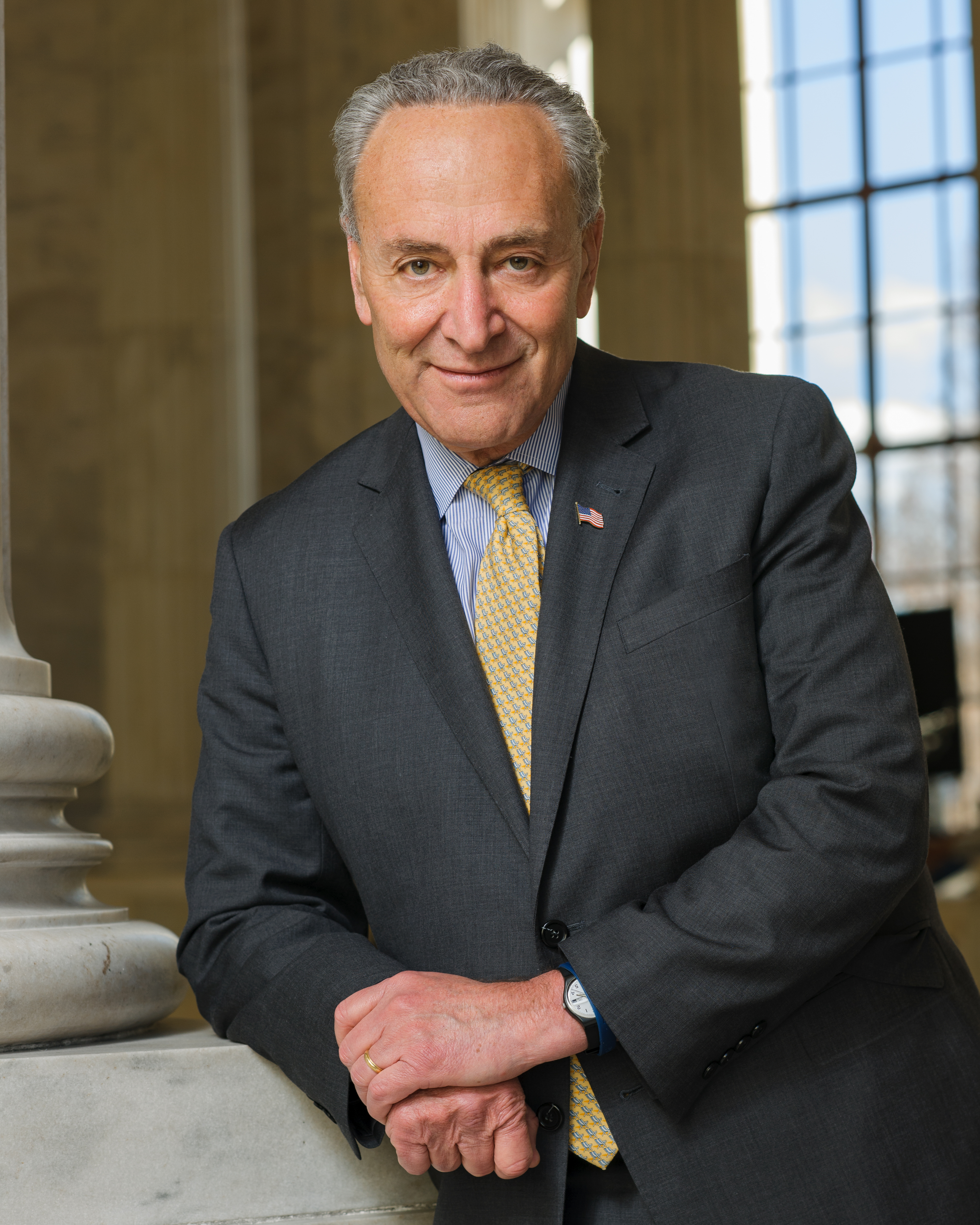
Senate Democrats Win Back the Majority — and Immediately Fight Over Who Leads Them

Justice Department drops lawsuit seeking to block 20,000 California ballots after Supreme Court rejection
