Supreme Court Leaves Intact Texas-DOJ Deal That Killed Immigration Judges' Case-Pausing Power
The justices denied an emergency request from Baltimore and two other cities to block a consent judgment that eliminated a Biden-era rule letting immigration judges pause some deportation cases.
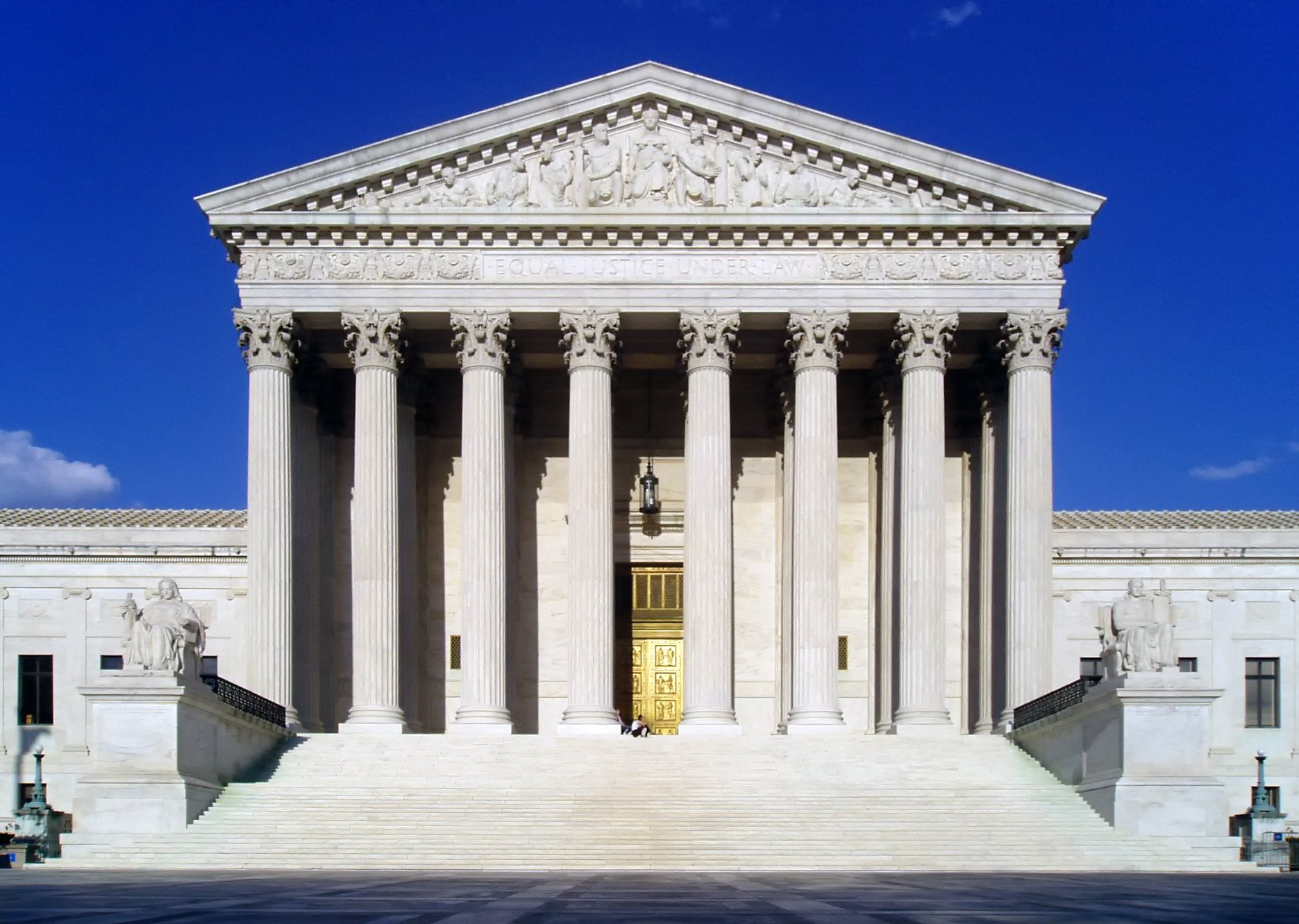
The Supreme Court on Tuesday refused to block a settlement between Texas and the Trump administration that eliminated a federal regulation letting immigration judges pause deportation cases, leaving in place one of the year's more unusual maneuvers in immigration policy: a lawsuit that the state and the government themselves arranged to lose.
The justices denied an emergency stay application in No. 26A500, City of Baltimore, Maryland v. Texas, according to the Supreme Court's own docket, which shows the application was referred to the full court and denied on October 27. No vote breakdown or written reasoning accompanied the order. The denial means a consent judgment entered in June by a federal judge in Wichita Falls, Texas, will stand while an appeal of a separate, related dispute continues in the U.S. Court of Appeals for the 5th Circuit.
A rule undone by agreement, not argument
At issue is a Justice Department regulation called "Efficient Case and Docket Management in Immigration Proceedings," published in the Federal Register in May 2024 and in effect since that July. The rule, issued by the Executive Office for Immigration Review, codified the authority of immigration judges and the Board of Immigration Appeals to administratively close or terminate removal cases — in practice, a way to pause a deportation proceeding for someone who, for example, is pursuing a U-visa as a crime victim or witness, or has another form of relief pending, without first resolving whether that person can legally be removed. It replaced a narrower 2020 rule that had been blocked by a federal judge within weeks of taking effect and never actually applied.
Texas sued the Department of Justice over the 2024 rule in June, arguing in federal court in the Northern District of Texas that EOIR had no statutory authority to adopt it. But rather than litigate the claim, Texas and the Trump Justice Department moved, on the same day the case was filed, for a final judgment in the state's favor. Chief U.S. District Judge Reed O'Connor granted it: a consent judgment vacating the rule nationwide and barring EOIR from issuing anything similar in the future.
Cities and an immigrant-services group try to intervene
Baltimore, New Haven, and Columbus, Ohio — three cities with sizable immigrant populations — along with Centro Legal de la Raza, a California-based legal services organization, asked to intervene in the case to defend the rule on appeal, arguing no party with a real stake in defending administrative closure had been allowed to participate. Judge O'Connor denied intervention, finding the cities lacked standing; he rejected their argument that losing the rule would cost them tax revenue by making it more likely that immigrant residents would be deported. The 5th Circuit then declined to pause the consent judgment or summarily reverse the standing ruling while the cities' appeal proceeded, prompting the emergency trip to the Supreme Court on October 9.
In their application to the justices, lawyers for the cities argued the consent judgment was not an ordinary legal defeat but the product of what they called deliberate coordination between the state and the federal government to eliminate a rule neither wanted challenged in good faith. Joshua Salzman, a lawyer for the challengers, wrote that the judgment was "indefensible" and warned about the consequences of leaving it intact.
"If a judgment procured through such open collusion is allowed to remain in effect," the cities' lawyers wrote, urging the court to intervene before the appeal could run its course.
The Solicitor General's office and Texas filed opposition briefs on October 22, arguing that the cities lacked standing to intervene in the first place, that their claimed injuries from lost tax revenue were speculative and indirect, and that the stay request amounted to an improper attack on the merits of a judgment they had no right to challenge. The government also argued, notably, that the agreement does not require immigration judges to reopen cases that have already been administratively closed — meaning the practical effect going forward falls mainly on cases not yet paused. The cities filed a reply on October 23, and the application sat before the court, assigned to Justice Samuel Alito as circuit justice for the 5th Circuit, until Tuesday's denial.
Who is affected
The immediate effect of Tuesday's order is that immigration judges nationwide lose a docket-management tool they have used for years to put deportation cases on hold rather than letting them proceed to a final order — most often for people with a pending path to legal status, such as asylum seekers, crime victims and witnesses applying for U-visas, or people awaiting a decision on a family-based petition. Immigrant-rights groups and several of the cities involved have warned that without administrative closure, more cases will move toward final removal orders even when a person's other immigration case is still pending elsewhere in the system, adding pressure to an immigration court docket that has swelled into the millions of pending matters in recent years, according to data tracked by Syracuse University's Transactional Records Access Clearinghouse.
The three cities and Centro Legal de la Raza, for their part, said the loss of standing to intervene leaves no one positioned to defend the rule as the broader appeal moves through the 5th Circuit, since the state and the Trump administration — the only parties formally in the case — agree with each other that the rule should go.
What happens next
Tuesday's order resolves only the emergency request to freeze the consent judgment while the appeal plays out; it does not resolve the appeal itself. The 5th Circuit must still decide whether Judge O'Connor was correct to deny the cities' motion to intervene, a ruling that, if upheld, would likely end the cities' ability to challenge the underlying rule change in court at all. Lawyers involved in the case have signaled they intend to press that argument at the appeals court, and immigrant-advocacy organizations are expected to continue tracking how immigration judges apply the now-vacated rule's absence in individual cases. The Supreme Court's brief order gives no indication of how the justices view the merits of that pending appeal, only that the cities' bid to pause the status quo while they are fought out failed.
Justice Department Tells Washington State to Set Aside Ballots From 400-Plus Alleged Noncitizens

Appeals court rejects Justice Department bid to block 20,000 California mail ballots

Judge Rules Trump Justice Department Unlawfully Fired Prosecutor Maurene Comey
