Supreme Court rejects Trump bid to revive mail-ballot rule before midterms
A 7-2 order leaves a lower court's injunction in place, blocking new Postal Service envelope and voter-list requirements for the November election; Justice Kavanaugh cited insufficient time to implement the rule, while Justice Alito, joined by Justice Thomas, dissented.
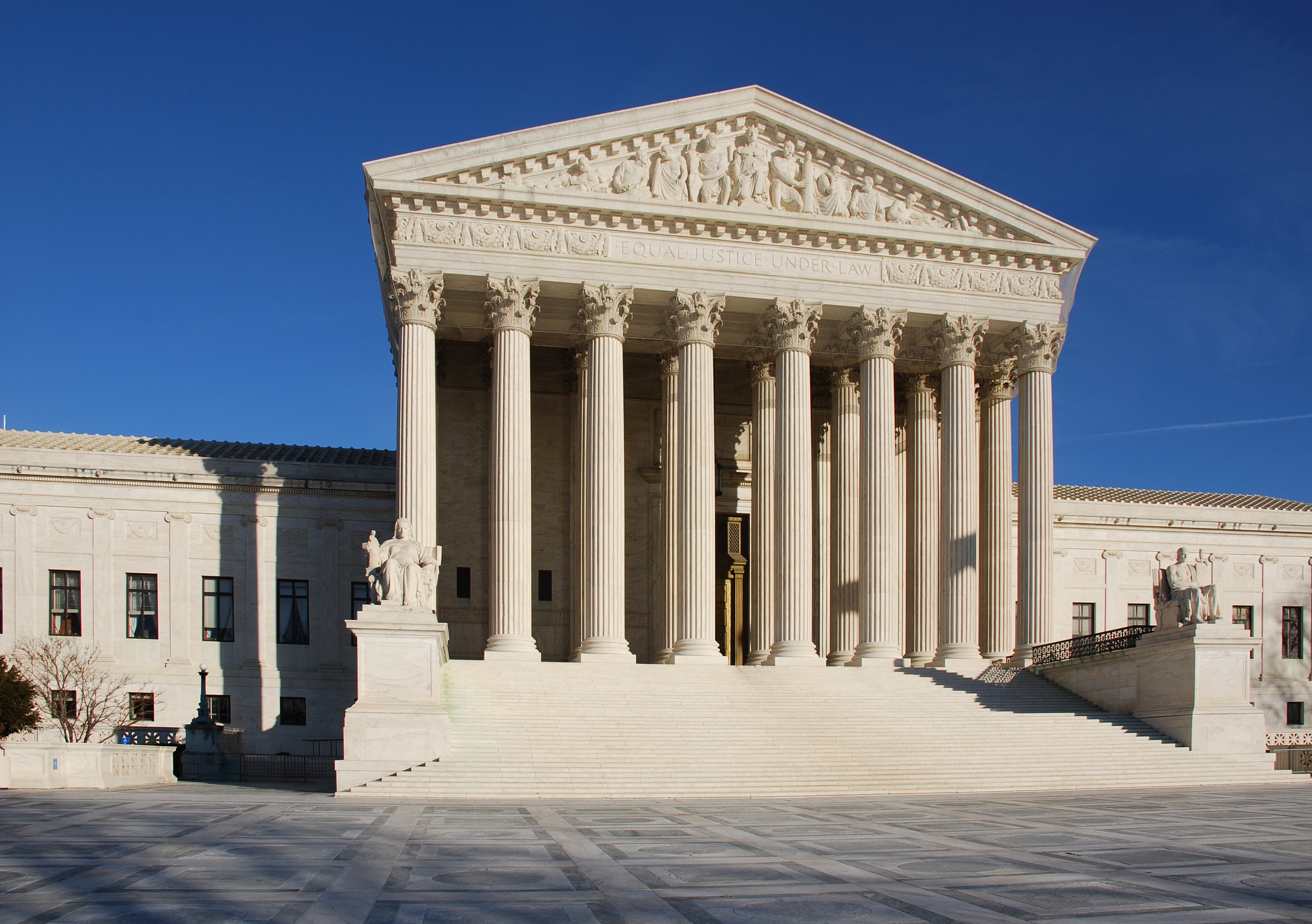
The Supreme Court on Monday declined to let the Trump administration revive a new U.S. Postal Service rule restricting mail-in ballots, denying an emergency application and leaving a nationwide injunction against the rule in place through the November midterm elections. The unsigned order, issued in a brief filing in United States Postal Service v. California, found that "the Government is unlikely to succeed on the merits of its challenge" to the lower court's preliminary injunction and that "the equitable factors applicable for obtaining emergency relief from this Court do not favor a stay."
The vote was 7-2. Justice Brett Kavanaugh filed a concurring statement, and Justice Samuel Alito, joined by Justice Clarence Thomas, dissented. No other justices publicly noted disagreement with the majority.
What the Rule Would Have Required
The dispute centers on a Postal Service regulation titled "Ballot Mail for Federal Elections," finalized in late August pursuant to an executive order President Trump signed on March 31 directing federal agencies to tighten mail-voting procedures. The rule required federal ballot-mail envelopes to carry an official Election Mail logo, be compatible with high-speed automated scanning equipment, and bear an Intelligent Mail barcode unique to each voter. States were required to submit envelope designs to the Postal Service for approval and upload basic voter information to a new federal online portal; mail that failed to comply "will not be accepted and will be returned to" the state for correction, according to the rule's text, cited in Monday's dissent.
Justice Kavanaugh, though he did not join the dissent, wrote separately to say he saw "at least a fair prospect that the final rule falls within the Postal Service's statutory authority." But he concluded that applying it to the 2026 elections "would be arbitrary and capricious in violation of the Administrative Procedure Act because state and local election officials do not have sufficient time to reasonably implement the rule before the elections."
"The Court incorrectly denies the Government's application for a stay of a universal injunction that bars implementation of a final rule concerning election ballot mail," Justice Alito wrote in dissent, joined by Justice Thomas, arguing the government had shown a likelihood of success and that reversal "would come too late for the 2026 midterms."
How the Case Reached the Court
The litigation began in April, when California and roughly two dozen other Democratic-led states, along with voting-rights organizations, sued in Massachusetts federal court to block Trump's March directive before any rule had even been written. U.S. District Judge Indira Talwani issued a series of injunctions against that early-stage effort, and the Supreme Court, in an earlier and separate ruling over the summer, allowed the administration's rulemaking process to proceed on the grounds that the initial suit had been premature.
The Postal Service then published its final rule on August 26. Within days, Talwani issued a temporary restraining order, which she converted into a nationwide preliminary injunction on September 4 covering the 23 states and the District of Columbia that had sued, finding the agency lacked authority to regulate election mail and warning that imposing the rule "less than seventy days before the November 2026 election threatens disenfranchisement of millions of United States citizens who seek to vote by mail." The U.S. Court of Appeals for the First Circuit declined to pause that order. The administration then asked the Supreme Court for emergency relief on September 6, in the application the full Court denied Monday, in the case docketed as No. 26A305. Solicitor General D. John Sauer had told the justices that ballots were already entering the mail in several states and that "once those ballot envelopes enter the mailstream, there is no retrieving them," according to SCOTUSblog's account of the filings.
Who Is Affected
The injunction Monday's order leaves intact applies to the 23 states and the District of Columbia that sued over the rule, though not every state opposed it: twelve states had told the district court they supported the rule and considered compliance practicable on the administration's timeline, according to Alito's dissent. For the states covered by the injunction, mail voting for the November 3 midterm elections will proceed under existing state procedures, without the new federal envelope-design mandates, barcode requirements or voter-roster uploads to the Postal Service portal. Ballot mailing was already underway in some states when the order came down, and county and state election offices had told the lower courts they lacked the time, money and systems to comply on short notice.
Reaction and What Happens Next
California Attorney General Rob Bonta, who led the 23-state coalition along with Pennsylvania's governor, said in a statement from his office that "after losing in the district and appellate courts, the Trump Administration has now lost at the U.S. Supreme Court. Today's decision is a victory for our democracy and a powerful affirmation of the rule of law." League of Women Voters CEO Celina Stewart called the rule "an extraordinary attempt to interfere with voting in all 50 states," according to reporting by Votebeat. The White House and Justice Department did not immediately issue new public statements following the order; in its briefing to the Court, the administration had argued the rule was intended to "enhance the visibility of Federal Ballot Mail" to help detect fraud, a rationale Alito's dissent cited from the rule's own preamble.
Monday's order resolves only the emergency request for a stay; litigation over whether the Postal Service has statutory authority to issue the rule at all continues in the lower courts, and Kavanaugh's concurrence left open the possibility that a version of the rule could survive legal review once timing concerns are no longer at issue, potentially setting up a fight over its use in future elections. For now, according to NBC News, the practical effect is that mail voting will proceed in the covered states as it has in past elections, with ballots already moving through the postal system ahead of the November 3 midterms.

Federal judge blocks new visa time limits for international students hours before they were set to begin

Mitch McConnell returns to the Senate after 92 days, casting the deciding vote on a judgeship

Appeals court keeps Trump's mail-ballot rule blocked as Supreme Court weighs emergency appeal
