Trump waives new Russia sanctions law just before deadline, drawing bipartisan anger
President Trump suspended tariffs and sanctions that a bipartisan law named for the late Senator Lindsey Graham had required to take effect this weekend, prompting condemnation from Ukraine's president and from Republican senators who wrote the measure.
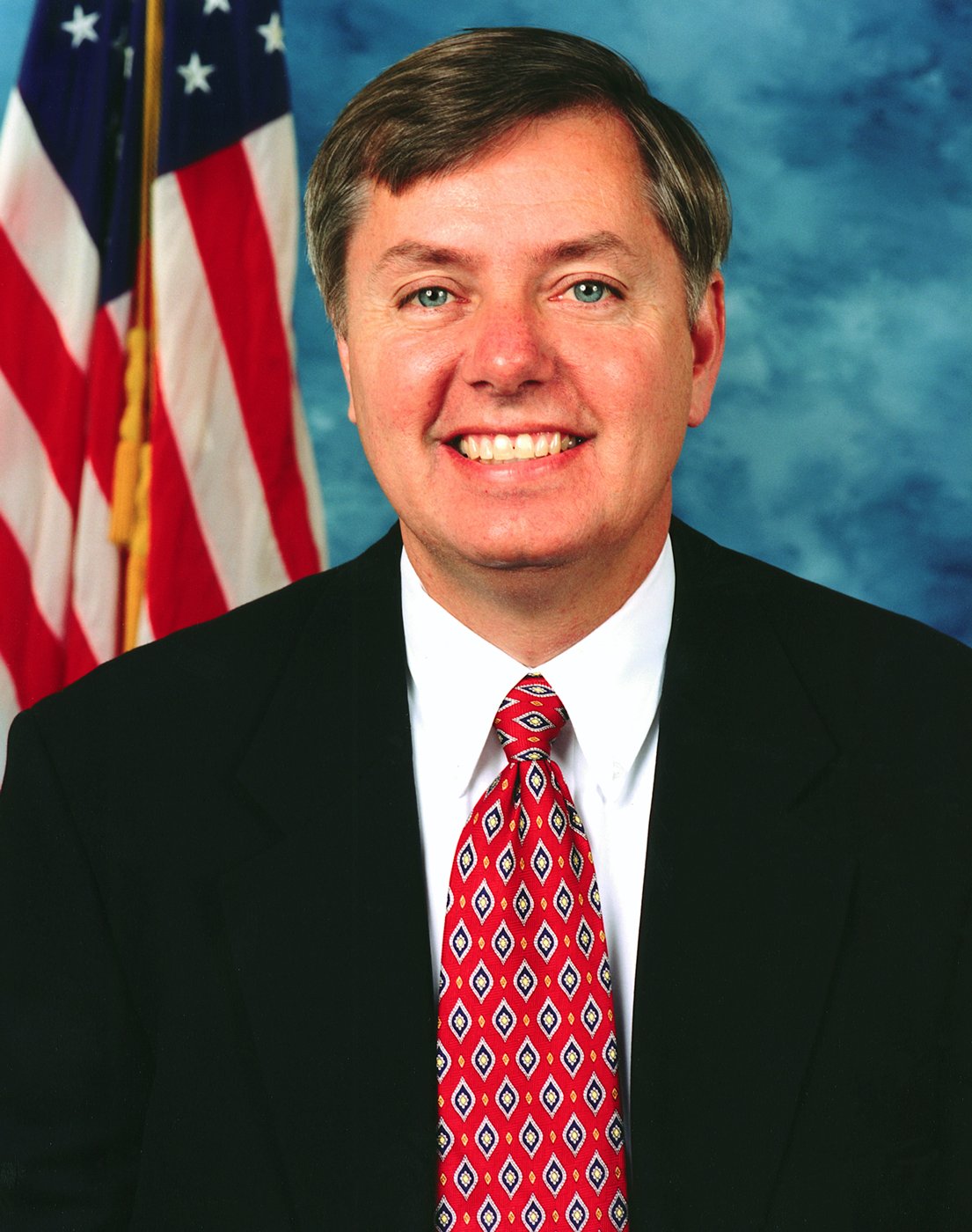
President Trump signed an executive order late Friday suspending the core sanctions and tariffs that a bipartisan Russia sanctions law was due to impose on Sunday, overriding a 30-day deadline that members of his own party had spent weeks urging him to enforce. The waiver, issued roughly 48 hours before the measures were set to take hold, drew condemnation from Ukrainian President Volodymyr Zelensky and from Republican senators who had championed the underlying law.
The statute, known as the Lindsey O. Graham Sanctioning Russia and Iran Act of 2026, was Congress's most forceful attempt yet to compel the administration to punish Moscow's oil customers and financial institutions over the war in Ukraine. Mr. Trump signed it into law on September 18, and under its terms the government had 30 days — until October 18 — to begin imposing tariffs of up to 500 percent on Russian goods and up to 100 percent on the countries that buy the most Russian crude oil and natural gas. Instead, citing a waiver provision written into the law itself, the president told Congress in a formal certification that suspending those measures "at this time" served the national interest.
The measures that were shelved
The order, in effect, paused nearly every mandatory penalty the Graham Act was designed to trigger this weekend. In the text of the order, Mr. Trump wrote that he was "hereby waiving the application of such sanctions, restrictions, and duties provided for in the Graham Act," adding that he had "submitted to the Congress a certification that the issuance of such a waiver at this time" was warranted, according to language quoted in multiple news accounts of the filing.
- Tariffs of up to 100 percent on the five countries that import the largest volumes of Russian crude oil and natural gas, and on five more that help Russia evade existing sanctions, which were scheduled to begin Sunday.
- Tariffs of up to 500 percent on a broader set of Russian goods.
- Secondary sanctions on foreign banks that process significant transactions for Russian state-owned lenders and on international financial messaging networks used to route those payments.
- Restrictions tied to the law's bans on new U.S. investment in Russia and on American banks or brokers handling transfers that benefit the Russian government.
The waiver does not touch sanctions imposed earlier by separate executive orders, which remain in force. It also follows an October 9 decision by the Treasury Department's Office of Foreign Assets Control to issue General License No. 135, which authorized Russian-origin diesel fuel to be shipped to, and imported into, the United States through April 7, 2027 — a measure tied to a diesel-supply arrangement the administration struck with Moscow as fuel prices climbed amid the conflict with Iran. Under the terms announced Friday, the new waiver stays in place indefinitely, until the president or the secretary of state, in consultation with other cabinet officials, decides that further action is warranted.
A law born from Graham's final fight
The bill carries the name of Senator Lindsey Graham, the South Carolina Republican who died on July 11 at 71 after a sudden illness, just weeks after he had helped broker the compromise language that cleared the way for the measure's Senate passage. The Senate approved the bill 86 to 11 on August 7, a lopsided roll-call vote that reflected rare bipartisan appetite for squeezing the Kremlin's energy revenue. The House followed on September 16, passing the bill 262 to 159 over the objections of Democratic leaders who warned, even as they ultimately split on the vote, that the legislation's waiver language gave the White House too much room to avoid enforcing it. Fifty-eight Democrats joined Republicans in supporting the bill, while 152 Democrats and seven Republicans voted no.
Those warnings proved prescient. Throughout the weeks after Mr. Trump signed the bill, a bipartisan group of lawmakers — including 22 signatories to one letter — pressed the administration to use the law's authority rather than its waiver, particularly after the diesel license was issued. Senator Mark Kelly, an Arizona Democrat, asked publicly what had become of the law Congress had just passed. Those appeals went unanswered until Friday night, when the administration chose the waiver instead of enforcement, just as the 30-day clock was about to run out.
Reaction from Kyiv to Capitol Hill
The decision reopened a rift inside the Republican Party over how hard to press Moscow. Senator Thom Tillis of North Carolina, who tallied the Senate vote in public remarks afterward, called the waiver "beyond irresponsible" and asked "what part of enforcing a law passed 86-11 by the Senate does the President and his advisors not understand?" Senator John Cornyn of Texas said Graham "would be appalled" by the move. Not every Republican objected: Representative Thomas Massie of Kentucky, who voted against the bill in September, welcomed the waiver of what he called nearly all of the law's Russia provisions.
Democrats were more uniform in their criticism. Senator Elizabeth Warren, the ranking member of the Senate Banking Committee, said in a written statement that the waiver was "another abject and predictable failure in leadership" and accused the president of "thumbing his nose at Congress's direction." Senate Minority Leader Chuck Schumer said Mr. Trump had "just gave Putin the best birthday gift he'll get this year." Representative Don Beyer of Virginia called it "Trump's latest surrender to Putin."
Mr. Zelensky, who had traveled to Washington for Graham's funeral in July, framed the waiver as a setback for Kyiv's position in the war.
"And now, the decision to undo all of this, to block all of it, seems wrong to me. It only fuels their satisfaction and their desire to keep killing people. This certainly does not stop the war."
A White House spokesperson, Taylor Rogers, defended the move to reporters, saying the Graham Act gives the president "additional authorities to pursue a peaceful resolution" and arguing that enforcing the sanctions now would undercut diplomacy. The administration has not detailed what, if any, negotiations the waiver is meant to protect. In reporting on the order, officials in Moscow treated it as a diplomatic win: Kirill Dmitriev, an economic envoy who has represented Russian interests in talks with the administration, called the suspension "an important and truly historic moment."
What happens next
The waiver leaves Congress with limited leverage. The Graham Act's drafters built in a national-interest waiver precisely to give the president flexibility, and nothing in the statute forces him to revisit that judgment on any set schedule — a contrast, sanctions lawyers have noted, with older sanctions laws that require waivers to be renewed roughly every six months. Senator Cornyn has circulated commentary calling for a congressional investigation into how the waiver decision was reached, though no committee has yet announced hearings. Lawmakers from both parties could attempt to write a firmer renewal requirement into future legislation, but any such bill would need to clear the same closely divided Congress that produced the current law's compromises.
For now, the law's remaining structure stays on the books. Its Russia-related provisions are set to sunset five years after enactment, in September 2031, unless Congress acts again, and the statute still allows the president to terminate sanctions outright if Russia signs a peace agreement that Ukraine accepts and halts hostilities — a different, and more permanent, off-ramp than the temporary waiver issued Friday. Until then, according to administration officials, the government will continue "monitoring" countries that import Russian energy, even without the tariff threat that was supposed to take hold this weekend. The dispute over enforcement is also likely to surface on the campaign trail, with three weeks left before midterm elections in which Ukraine policy has become one of several flashpoints between the president and Republicans in competitive races who have pushed for tougher sanctions.

Justice Department sues California over 20,000 alleged noncitizen voters

White House press secretary Katie Zacharia exits after five days, a record

Justice Department asks judge to step aside after sharp rebuke in DC golf course case
